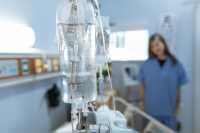
For many years now, professional nursing has held a unique place in the American health care system. Nurses make up one of the largest health care professions in the U.S. with more than 3.1 million nurses working in diverse fields and settings.
Although most nurses work in health care settings like hospitals, a nurse’s expertise expands well beyond the hospital walls. Working on their own and alongside other healthcare professionals, nurses promote the health of families, individuals, and communities.
Nurses have always played an important role in healthcare settings. However, their role has changed a lot over the years. In the past, nurses had extraordinarily little formal medical training. In fact, nurses learned the medical skills they needed from their mothers or other women in the nursing profession.
Today, the nursing profession has changed for the better. Not only are there extensive training programs available for nurses, but this role now comes with a level of prestige that was not there before. And this is not the only thing that has altered. Technology has also played a huge role in changing this profession for the better. Keep reading below to find out about the history of nursing and how technology has changed the role of nursing. For those seeking additional assistance or support in navigating the complexities of nursing education or academic tasks, exploring resources from reputable
nursing paper writing services can offer valuable expertise and assistance in achieving success in the field.
How Nursing Has Changed Over Time
Time has done a lot for many career paths. However, the nursing profession has seen more changes than most. Here are some of the ways the nursing profession has changed over time:
Training – in the past, nurses were not required to have any formal education. However, nowadays nurses are no longer able to care for patients without passing the correct certification first.
Setting – many years ago, nurses would take care of people in their homes or on the battlefield. Although some nurses still care for patients in their homes, nowadays, most nurses work in a hospital setting.
Responsibilities – nursing responsibilities have come a long way from the early days when they used to look a lot like a household chore list. The change in responsibilities for nurses stems from several changes in the profession, including the changing views of women, more comprehensive training, and the growing demand for medical professionals.
Culture – in the 20
th century, nursing culture was known as being mainly made up of females who had a small amount of medical knowledge. While nursing culture has not changed completely, it has changed a lot over the years. In fact, research suggests that more men than ever are choosing to train in this profession.
Patient care – patient care is more important than ever before. The advancements in technology have created an environment that makes patient care more helpful and efficient for patients. These advancements have altered almost every industry in the U.S. and the medical field is no different.


 SooYoung VanDeMar[/caption]
SooYoung VanDeMark, MBS
Geisinger Commonwealth School of Medicine
Scranton, Pennsylvania
MedicalResearch.com: What is the background for this study?
Response: Health care providers utilize subscription-based, point-of-care databases such as DynaMed and UpToDate to provide clinical care guidance and remain current on the latest evidence-based findings. Both of these websites maintain this content through a cadre of physician contributors who write and edit articles for these sites. These physician contributors are required to self-report any conflicts of interest (COI) as outlined by the respective policies on each website. However, prior COI research into similarly self-regulated areas, such as medical and pharmacology textbooks, and clinical practice guidelines, has found both appreciable potential COI and inconsistencies between self-reported and industry mandated disclosures (1-3).
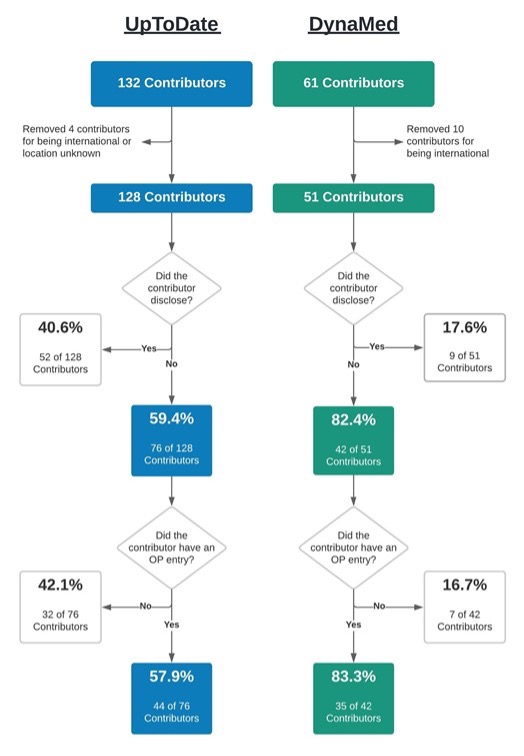
This study (4) explored the accuracy of physician contributors to DynaMed and UpToDate by comparing their self-reported disclosure status with the financial remunerations they received from the healthcare industry (e.g., pharmaceutical companies) as reported to the U.S. Centers for Medicare and Medicaid Services’ Open Payments database. Physician contributors who reported “nothing to disclose” on their respective article topic but had an entry on Open Payments for having received money from industry, were classified as discordant and, thus, as having the potential for a COI. Additionally, total remuneration, gender, and payment category were investigated more in depth for each database.
SooYoung VanDeMar[/caption]
SooYoung VanDeMark, MBS
Geisinger Commonwealth School of Medicine
Scranton, Pennsylvania
MedicalResearch.com: What is the background for this study?
Response: Health care providers utilize subscription-based, point-of-care databases such as DynaMed and UpToDate to provide clinical care guidance and remain current on the latest evidence-based findings. Both of these websites maintain this content through a cadre of physician contributors who write and edit articles for these sites. These physician contributors are required to self-report any conflicts of interest (COI) as outlined by the respective policies on each website. However, prior COI research into similarly self-regulated areas, such as medical and pharmacology textbooks, and clinical practice guidelines, has found both appreciable potential COI and inconsistencies between self-reported and industry mandated disclosures (1-3).
This study (4) explored the accuracy of physician contributors to DynaMed and UpToDate by comparing their self-reported disclosure status with the financial remunerations they received from the healthcare industry (e.g., pharmaceutical companies) as reported to the U.S. Centers for Medicare and Medicaid Services’ Open Payments database. Physician contributors who reported “nothing to disclose” on their respective article topic but had an entry on Open Payments for having received money from industry, were classified as discordant and, thus, as having the potential for a COI. Additionally, total remuneration, gender, and payment category were investigated more in depth for each database.



 Ali M. Fazlollahi[/caption]
Ali M. Fazlollahi, MSc, McGill Medicine Class of 2025
Neurosurgical Simulation and Artificial Intelligence Learning Centre
Department of Neurology and Neurosurgery, Montreal Neurological Institute and Hospital
Faculty of Medicine and Health Sciences
McGill University, Montreal, Canada
MedicalResearch.com: What is the background for this study?
Response: COVID-19 disrupted hands on surgical exposure of medical students and academic centres around the world had to quickly adapt to teaching technical skills remotely. At the same time, advances in artificial intelligence (AI) allowed researchers at the Neurosurgical Simulation and Artificial Intelligence Learning Centre to develop an intelligent tutoring system that evaluates performance and provides high-quality personalized feedback to students. Because this is the first AI system capable of providing surgical instructions in simulation, we sought to evaluate its effectiveness compared with learning from expert human instructors who provided coaching remotely.
Ali M. Fazlollahi[/caption]
Ali M. Fazlollahi, MSc, McGill Medicine Class of 2025
Neurosurgical Simulation and Artificial Intelligence Learning Centre
Department of Neurology and Neurosurgery, Montreal Neurological Institute and Hospital
Faculty of Medicine and Health Sciences
McGill University, Montreal, Canada
MedicalResearch.com: What is the background for this study?
Response: COVID-19 disrupted hands on surgical exposure of medical students and academic centres around the world had to quickly adapt to teaching technical skills remotely. At the same time, advances in artificial intelligence (AI) allowed researchers at the Neurosurgical Simulation and Artificial Intelligence Learning Centre to develop an intelligent tutoring system that evaluates performance and provides high-quality personalized feedback to students. Because this is the first AI system capable of providing surgical instructions in simulation, we sought to evaluate its effectiveness compared with learning from expert human instructors who provided coaching remotely.

 Arman A. Shahriar
Medical Student, University of Minnesota Medical School Research
Consultant, HealthPartners Institute
Minneapolis, Minnesota
Arman A. Shahriar
Medical Student, University of Minnesota Medical School Research
Consultant, HealthPartners Institute
Minneapolis, Minnesota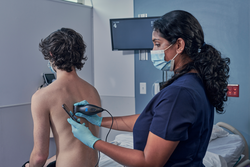
 Response: Point-of-care ultrasound is one of the most significant advances in bedside patient care, and its use is expanding across nearly all fields of medicine. In order to best prepare medical students for residency and beyond, it is imperative to begin POCUS training as early as possible. At the Lewis Katz School of Medicine at Temple University, we introduced POCUS education over a decade ago and have expanded it since then.
By providing each student with a Butterfly iQ device, we can augment our curriculum significantly. In addition to our robust pre-clinical sessions, now we will expand into the clinical years highlighting the utility of POCUS with actual patients.
This gift was made possible by the incredible generosity of Dr. Ronald Salvitti, MD ’63.
Response: Point-of-care ultrasound is one of the most significant advances in bedside patient care, and its use is expanding across nearly all fields of medicine. In order to best prepare medical students for residency and beyond, it is imperative to begin POCUS training as early as possible. At the Lewis Katz School of Medicine at Temple University, we introduced POCUS education over a decade ago and have expanded it since then.
By providing each student with a Butterfly iQ device, we can augment our curriculum significantly. In addition to our robust pre-clinical sessions, now we will expand into the clinical years highlighting the utility of POCUS with actual patients.
This gift was made possible by the incredible generosity of Dr. Ronald Salvitti, MD ’63. 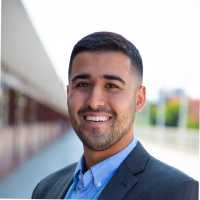


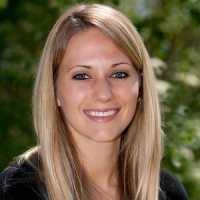 Dr. Forbes[/caption]
Lisa Forbes, Ph.D, LPC, NCC
Clinical Assistant Professor
Counseling Program
University of Colorado Denver
MedicalResearch.com: What is the background for this study? What are the main findings?
Response: The most common mode of learning in tertiary education is lecture-based learning despite the knowledge that more active, engaged, and flexible approaches to teaching may better support the learning process. This study aimed to understand graduate students’ experiences with a playful pedagogy as an alternative approach to learning.
Dr. Forbes[/caption]
Lisa Forbes, Ph.D, LPC, NCC
Clinical Assistant Professor
Counseling Program
University of Colorado Denver
MedicalResearch.com: What is the background for this study? What are the main findings?
Response: The most common mode of learning in tertiary education is lecture-based learning despite the knowledge that more active, engaged, and flexible approaches to teaching may better support the learning process. This study aimed to understand graduate students’ experiences with a playful pedagogy as an alternative approach to learning.
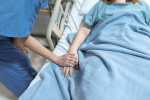
 As a specialized healthcare position where you will be responsible for the health and wellbeing of patients, nurses are required to hold a degree and a license before they can begin work. To qualify as a registered nurse, you will need to obtain a BSN degree, which typically takes around four years when studying full-time. However, if you already have a bachelor’s degree in another subject, there is an option that will allow you to become a nurse in half the time; accelerated nursing programs are designed for those who already have a bachelor’s degree and want a quick career change into nursing. The
 Dr. Bullard[/caption]
Jared Bullard MD FRCPC
Associate Professor, Departments of Pediatrics & Child Health and Medical Microbiology & Infectious Diseases
Max Rady College of Medicine
Rady Faculty of Health Sciences
Cadham Provincial Laboratory
Children’s Hospital Research Institute of Manitoba
MedicalResearch.com: What is the background for this study?
Response: Children are well known to transmit epidemic/endemic respiratory viruses like influenza. Initial public health policy was based on that children were likely to transmit SARS-CoV-2 effectively within a community and subsequently in-person school and extracurricular activities were suspended.
Initial research did not show a clear association with children driving transmission. The purpose of our study was to take respiratory samples from both children and adults with COVID-19 (all had SARS-CoV-2 detected by RT-PCR) and compare those samples by their ability to grow in cell culture and amount of virus in samples.
We took 175 samples from children (97 younger than 10 years of age and 78 between 11-17 years) and compared them to 130 adult samples from the same communities in Manitoba experiencing outbreaks of COVID-19.
Dr. Bullard[/caption]
Jared Bullard MD FRCPC
Associate Professor, Departments of Pediatrics & Child Health and Medical Microbiology & Infectious Diseases
Max Rady College of Medicine
Rady Faculty of Health Sciences
Cadham Provincial Laboratory
Children’s Hospital Research Institute of Manitoba
MedicalResearch.com: What is the background for this study?
Response: Children are well known to transmit epidemic/endemic respiratory viruses like influenza. Initial public health policy was based on that children were likely to transmit SARS-CoV-2 effectively within a community and subsequently in-person school and extracurricular activities were suspended.
Initial research did not show a clear association with children driving transmission. The purpose of our study was to take respiratory samples from both children and adults with COVID-19 (all had SARS-CoV-2 detected by RT-PCR) and compare those samples by their ability to grow in cell culture and amount of virus in samples.
We took 175 samples from children (97 younger than 10 years of age and 78 between 11-17 years) and compared them to 130 adult samples from the same communities in Manitoba experiencing outbreaks of COVID-19. 
 Dr. Rettew[/caption]
David C. Rettew, MD
Child & Adolescent Psychiatrist
Associate Professor of Psychiatry and Pediatrics
University of Vermont Larner College of Medicine
MedicalResearch.com: What is the background for this study?
Response: Our group, the Wellness Environment Scientific Team at the University of Vermont, hadn’t planned to look at COVID at the outset of this study and instead were going to look at mental health and engagement in wellness activities in college students across a semester. The pandemic disrupted that plan when students were abruptly sent home but fortunately, they continued to do their daily app-based ratings of their mood, stress levels, and engagement in healthy activities. We then realized we had some interesting pre-COVID to COVID data that was worth exploring.
Dr. Rettew[/caption]
David C. Rettew, MD
Child & Adolescent Psychiatrist
Associate Professor of Psychiatry and Pediatrics
University of Vermont Larner College of Medicine
MedicalResearch.com: What is the background for this study?
Response: Our group, the Wellness Environment Scientific Team at the University of Vermont, hadn’t planned to look at COVID at the outset of this study and instead were going to look at mental health and engagement in wellness activities in college students across a semester. The pandemic disrupted that plan when students were abruptly sent home but fortunately, they continued to do their daily app-based ratings of their mood, stress levels, and engagement in healthy activities. We then realized we had some interesting pre-COVID to COVID data that was worth exploring. 

 Dr. Zimmerman[/caption]
Frederick Zimmerman, PhD
Professor, Department of Health Policy and Management
Fielding School of Public Health
UCLA
MedicalResearch.com: What is the background for this study?
Response: The science on school transmissions of COVID is becoming clearer all the time in its conclusion that there is little to no transmission in school environments as long as reasonable precautions are taken. Yet one recent study got a lot of attention for claiming that states that allowed their schools to remain open in the early days of the pandemic saw more cases. That study did not control for several important factors that might explain this association, so our study aimed to correct that work.
Dr. Zimmerman[/caption]
Frederick Zimmerman, PhD
Professor, Department of Health Policy and Management
Fielding School of Public Health
UCLA
MedicalResearch.com: What is the background for this study?
Response: The science on school transmissions of COVID is becoming clearer all the time in its conclusion that there is little to no transmission in school environments as long as reasonable precautions are taken. Yet one recent study got a lot of attention for claiming that states that allowed their schools to remain open in the early days of the pandemic saw more cases. That study did not control for several important factors that might explain this association, so our study aimed to correct that work.

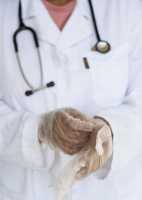
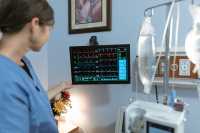 If you’re currently working as a nurse, you are probably well aware of just how rewarding and fulfilling a job role it can be. You get to help patients from all walks of life every single day and make a real difference to not only people’s health but their lives more generally. It’s also a career in which there is a lot of scope for progression. There are so many different spheres within the field of nursing that you can choose to specialize in, whether it’s a particular age group (like pediatrics or gerontology) or a particular health condition (like oncology or emergency care).
Some of these paths involve training on the job, whereas others require you to return to college to study and obtain a postgraduate qualification. Among these, one of the highest possible qualifications you can aim for is the DNP, or Doctor of Nursing Practice.
If you’re currently working as a nurse, you are probably well aware of just how rewarding and fulfilling a job role it can be. You get to help patients from all walks of life every single day and make a real difference to not only people’s health but their lives more generally. It’s also a career in which there is a lot of scope for progression. There are so many different spheres within the field of nursing that you can choose to specialize in, whether it’s a particular age group (like pediatrics or gerontology) or a particular health condition (like oncology or emergency care).
Some of these paths involve training on the job, whereas others require you to return to college to study and obtain a postgraduate qualification. Among these, one of the highest possible qualifications you can aim for is the DNP, or Doctor of Nursing Practice. 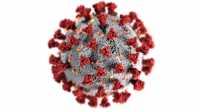
 Ankur Dalsania[/caption]
Ankur Dalsania
Rutgers New Jersey Medical School (NJMS)
M.D. Candidate 2021
MedicalResearch.com: What is the background for this study?
Response: Similar to past pandemics, prior studies and news articles have highlighted the disproportionate impact of COVID-19 mortality in marginalized populations, especially Black Americans. Rather than biological differences, other factors like neighborhood conditions, educational attainment, economic stability, healthcare access, and social contexts have been hypothesized to influence the racial disparities.
Using county-level data, we sought to quantitatively determine how these factors, collectively referred to as social determinants of health, impact COVID-19 mortality in Black Americans.
Ankur Dalsania[/caption]
Ankur Dalsania
Rutgers New Jersey Medical School (NJMS)
M.D. Candidate 2021
MedicalResearch.com: What is the background for this study?
Response: Similar to past pandemics, prior studies and news articles have highlighted the disproportionate impact of COVID-19 mortality in marginalized populations, especially Black Americans. Rather than biological differences, other factors like neighborhood conditions, educational attainment, economic stability, healthcare access, and social contexts have been hypothesized to influence the racial disparities.
Using county-level data, we sought to quantitatively determine how these factors, collectively referred to as social determinants of health, impact COVID-19 mortality in Black Americans. 


 Prof. Bergee[/caption]
Martin J. Bergee
Professor and Associate Dean for Academic Affairs
School of Music
University of Kansas
MedicalResearch.com: What is the background for this study? What are the main findings?
Response: The idea that listening, participating, or achieving in music makes you better at another subject, say, math, science, or reading, has been around for a while. Indeed, there’s a relationship between achievement in music and achievement in other content areas. But I’ve always assumed that the relationship was spurious, that is, driven my any number of such background influences as urbanicity, ethnicity, SES, level of parent education, the type of school one attends, and so forth. Essentially, I set out to demonstrate once and for all that with these background influences accounted for statistically, the relationship is considerably attenuated. Much to my surprise, however, music achievement’s relationships with reading and math achievement remained quite strong.
Prof. Bergee[/caption]
Martin J. Bergee
Professor and Associate Dean for Academic Affairs
School of Music
University of Kansas
MedicalResearch.com: What is the background for this study? What are the main findings?
Response: The idea that listening, participating, or achieving in music makes you better at another subject, say, math, science, or reading, has been around for a while. Indeed, there’s a relationship between achievement in music and achievement in other content areas. But I’ve always assumed that the relationship was spurious, that is, driven my any number of such background influences as urbanicity, ethnicity, SES, level of parent education, the type of school one attends, and so forth. Essentially, I set out to demonstrate once and for all that with these background influences accounted for statistically, the relationship is considerably attenuated. Much to my surprise, however, music achievement’s relationships with reading and math achievement remained quite strong.


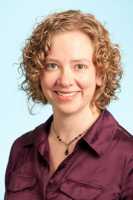 Dr. Auger[/caption]
Katherine A. S. Auger, MD, MSc
Division of Hospital Medicine
James M. Anderson Center for Health Systems Excellence,
Cincinnati Children’s Hospital Medical Center
Department of Pediatrics, University of Cincinnati College of Medicine
Pediatric Research in Inpatient Settings Network
Cincinnati, Ohio
MedicalResearch.com: What is the background for this study? What are the main findings?
Response: All states closed schools in the spring of 2020 to try to mitigate the spread of COVID-19. Our study demonstrated a large, significant association between school closure and fewer COVID-19 cases and deaths even when accounting for other state policies.
Dr. Auger[/caption]
Katherine A. S. Auger, MD, MSc
Division of Hospital Medicine
James M. Anderson Center for Health Systems Excellence,
Cincinnati Children’s Hospital Medical Center
Department of Pediatrics, University of Cincinnati College of Medicine
Pediatric Research in Inpatient Settings Network
Cincinnati, Ohio
MedicalResearch.com: What is the background for this study? What are the main findings?
Response: All states closed schools in the spring of 2020 to try to mitigate the spread of COVID-19. Our study demonstrated a large, significant association between school closure and fewer COVID-19 cases and deaths even when accounting for other state policies.

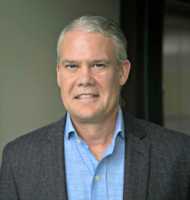 Dr. Loewen[/caption]
Shawn Loewen PhD
Professor, Michigan State University
Department of Linguistics & Germanic, Slavic, Asian and African Languages
Second Language Studies Program
Associate Editor,
Dr. Loewen[/caption]
Shawn Loewen PhD
Professor, Michigan State University
Department of Linguistics & Germanic, Slavic, Asian and African Languages
Second Language Studies Program
Associate Editor,