
01 Oct The Asymmetry Of Biological Risk Management
How PrEP prevents HIV, how long it takes to work, daily versus 2-1-1 dosing, and why combining PrEP with condoms and regular testing matters....

How PrEP prevents HIV, how long it takes to work, daily versus 2-1-1 dosing, and why combining PrEP with condoms and regular testing matters....

Sexual Health Notice: This post is provided for educational and informational purposes only and is not a substitute for professional medical advice. Sexual health needs are individual — testing schedules, window periods, treatment options, and partner notification guidance vary depending on your specific situation, health history, and the infections involved. Consult a qualified healthcare provider, sexual health clinic, or public health service for personalized recommendations regarding STI testing, diagnosis, treatment, or any other sexual health concern.
For tens of thousands of years, Homo sapiens have shared pathogens through intimate contact. It is a fundamental, ancient biological reality of our species. When bodies touch, microscopic ecosystems inevitably collide and exchange microorganisms. Yet, as our societies grew more complex, we invented a powerful, invisible fiction to surround this basic biological reality: social shame.
We often fear the judgement of the tribe far more than we fear a microscopic virus. This fear of reputational damage drives entirely rational people into hiding when their bodies sound a medical alarm.
If you are searching for anonymous std testing in Singapore clinics, you are trying to navigate this ancient conflict. You want to protect your health without damaging your social standing.
[caption id="attachment_76399" align="aligncenter" width="500"] Photo by Sanket Mishra[/caption]

Notice: This post is provided for educational and informational purposes only and is not a substitute for professional medical advice. Sexual health needs are individual — testing schedules, window periods, treatment options, and partner notification guidance vary depending on your specific situation, health history, and the infections involved. Consult a qualified healthcare provider, sexual health clinic, or public health service for personalized recommendations regarding STI testing, diagnosis, treatment, or any other sexual health concern.
An anonymous STI text service can turn a difficult conversation into a message. Yet many people still put off testing — and never tell a partner about a result. It is not that people do not care. Silence feels safer than awkwardness. But that silence has a cost: infections that a short course of treatment could cure keep spreading from one person to the next. According to the CDC (Centers for Disease Control and Prevention), sexually transmitted infections remain among the most common reportable conditions in the United States, with many cases going undetected and untreated because people experience no symptoms and are never tested. Here is why sexual health communication matters and how to make it easier.
[caption id="attachment_76278" align="aligncenter" width="500"] Photo by cottonbro studio
 Photo by Andrea Piacquadio[/caption]
Sexual wellness used to be a footnote in healthcare. If you had pain during sex, low desire, or a relationship that had gone quiet in the bedroom, the advice you got was usually some version of "relax" or "it's normal at your age." That is changing. Clinics, telehealth services, physical therapy practices, and educational platforms have all started treating intimacy as a legitimate part of health rather than a private embarrassment.
What follows is a look at several services approaching the same broad problem from different angles: research-backed writing, prescription care, hands-on rehabilitation, medical management through menopause, structured education, and play. According to the American Association of Sexuality Educators, Counselors and Therapists (AASECT), sexual health is a core component of overall wellbeing, and the majority of sexual difficulties have identifiable physical, hormonal, or psychological causes that respond to appropriate treatment.
[IMAGE GOES HERE] Photo by Vitaly Gariev:[/caption]
 Photo by Italo Melo[/caption]
The P-Shot, a revolutionary treatment for erectile dysfunction, has garnered significant attention for its non-invasive approach, using platelet-rich plasma (PRP) to enhance sexual performance. Results from the P-Shot can last anywhere from one to two years, providing long-lasting improvements for many individuals. The treatment's time frame for noticeable effects varies, with some people observing changes within a few weeks and others needing several months.
For those considering this treatment, it's important to understand the benefits and limitations. Individual outcomes can largely depend on the person’s unique circumstances and health. These factors can influence not only the effectiveness of the procedure but also the expectations around it. Reviewing p-shot before and after results from real patients can provide valuable insight into the range of outcomes—some notice enhanced performance or sensitivity, while others see subtler changes. It’s also worth noting that psychological factors, underlying health conditions, and adherence to post-treatment care play a significant role. Consulting with a specialist can help clarify what’s realistic for your specific situation.
Individuals exploring this option should approach it as part of a holistic approach to sexual wellness, considering ongoing lifestyle choices and health management to maximize benefits. By setting realistic expectations and maintaining open communication with healthcare providers, users can optimize their experience with the P-Shot, ensuring it aligns with their personal goals for sexual health improvement.
Photo by Italo Melo[/caption]
The P-Shot, a revolutionary treatment for erectile dysfunction, has garnered significant attention for its non-invasive approach, using platelet-rich plasma (PRP) to enhance sexual performance. Results from the P-Shot can last anywhere from one to two years, providing long-lasting improvements for many individuals. The treatment's time frame for noticeable effects varies, with some people observing changes within a few weeks and others needing several months.
For those considering this treatment, it's important to understand the benefits and limitations. Individual outcomes can largely depend on the person’s unique circumstances and health. These factors can influence not only the effectiveness of the procedure but also the expectations around it. Reviewing p-shot before and after results from real patients can provide valuable insight into the range of outcomes—some notice enhanced performance or sensitivity, while others see subtler changes. It’s also worth noting that psychological factors, underlying health conditions, and adherence to post-treatment care play a significant role. Consulting with a specialist can help clarify what’s realistic for your specific situation.
Individuals exploring this option should approach it as part of a holistic approach to sexual wellness, considering ongoing lifestyle choices and health management to maximize benefits. By setting realistic expectations and maintaining open communication with healthcare providers, users can optimize their experience with the P-Shot, ensuring it aligns with their personal goals for sexual health improvement.
 Source[/caption]
Living with pelvic pain can be downright miserable. Many patients can't even sit through their kid's recital or enjoy a simple walk without wincing in pain. It's tough. The silence around pelvic floor problems doesn't help either - too many people suffer quietly, not knowing where to turn. At Urology Health Store, staff see folks struggling with this every day, which is why they're big fans of the Intimate Rose Pelvic Wand. It's not some fancy invention from a corporate think-tank - a real-world pelvic physio created it after years of hands-on experience. With specialized pelvic therapy still hard to find in many parts of Canada, tools like this aren't just convenient – sometimes they're the only practical option.
Source[/caption]
Living with pelvic pain can be downright miserable. Many patients can't even sit through their kid's recital or enjoy a simple walk without wincing in pain. It's tough. The silence around pelvic floor problems doesn't help either - too many people suffer quietly, not knowing where to turn. At Urology Health Store, staff see folks struggling with this every day, which is why they're big fans of the Intimate Rose Pelvic Wand. It's not some fancy invention from a corporate think-tank - a real-world pelvic physio created it after years of hands-on experience. With specialized pelvic therapy still hard to find in many parts of Canada, tools like this aren't just convenient – sometimes they're the only practical option.
 Dr. Kruger[/caption]
Daniel J. Kruger, PhD
Research Associate Professor
Research Scientist
Psychology, Public Health
Jacobs School of Medicine and Biomedical Sciences
University at Buffalo, State University of New York
MedicalResearch.com: What is the background for this study?
Response: There is a lot of excitement about psychedelics now, including a boom in research. Most of the investment is in therapeutic applications, as studies are showing amazing results for treating conditions like depression and PTSD. These are worthy pursuits, of course, though we think there is so much more to explore. There are so many areas that have not yet been covered. For example, Timothy Leary said that psychedelics were great for sex. He probably knew this would get people’s attention. How prevalent is this really in people’s experiences?
Dr. Kruger[/caption]
Daniel J. Kruger, PhD
Research Associate Professor
Research Scientist
Psychology, Public Health
Jacobs School of Medicine and Biomedical Sciences
University at Buffalo, State University of New York
MedicalResearch.com: What is the background for this study?
Response: There is a lot of excitement about psychedelics now, including a boom in research. Most of the investment is in therapeutic applications, as studies are showing amazing results for treating conditions like depression and PTSD. These are worthy pursuits, of course, though we think there is so much more to explore. There are so many areas that have not yet been covered. For example, Timothy Leary said that psychedelics were great for sex. He probably knew this would get people’s attention. How prevalent is this really in people’s experiences?

At the core are the principles that require healthcare providers to act in the patient’s best interest and avoid harm. Enlargement procedures require careful consideration of these principles....
 Sagar Patel[/caption]
Sagar S. Patel, MBS
Department of Medical Education
Geisinger Commonwealth School of Medicine
Scranton, PA 18509
MedicalResearch.com: What was the background for this research?
Response: Syphilis is a sexually transmitted infection that is caused by a gram-negative bacterium called Treponema pallidum. This infection promotes the cell death of microglia and can cause a variety of symptoms. It is commonly observed in developing countries such as sub-Saharan Africa. Neurosyphilis is a complication of syphilis that affects the central nervous system (CNS).
The CNS undergoes multiple stages of deterioration and can include personality changes and hearing abnormalities. Diagnosing neurosyphilis is challenging because its symptoms mimic other neurodegenerative diseases. Diagnosis relies on clinical studies, cerebrospinal fluid (CSF) analysis, and neuroimaging techniques.
Sagar Patel[/caption]
Sagar S. Patel, MBS
Department of Medical Education
Geisinger Commonwealth School of Medicine
Scranton, PA 18509
MedicalResearch.com: What was the background for this research?
Response: Syphilis is a sexually transmitted infection that is caused by a gram-negative bacterium called Treponema pallidum. This infection promotes the cell death of microglia and can cause a variety of symptoms. It is commonly observed in developing countries such as sub-Saharan Africa. Neurosyphilis is a complication of syphilis that affects the central nervous system (CNS).
The CNS undergoes multiple stages of deterioration and can include personality changes and hearing abnormalities. Diagnosing neurosyphilis is challenging because its symptoms mimic other neurodegenerative diseases. Diagnosis relies on clinical studies, cerebrospinal fluid (CSF) analysis, and neuroimaging techniques.
 Pexels Photo by APG Graphics:[/caption]
Birth control or medical contraception is used for a variety of reasons, but its main role is to prevent unwanted pregnancies. There are many different types of birth control, so their function and ingredients vary. In general, they usually affect your hormones to make you unable to conceive 99% of the time. Birth control is also used to regulate hormonal imbalances, stop menstruation, or alleviate symptoms of conditions like polycystic ovarian syndrome (PCOS). Like any medication, birth control can come with some side effects, which may be mild for some and extreme for others. You and your doctor will factor in your health, medical history, potential side effects, and reproductive goals to figure out which birth control method is the best for your needs and body. When prescribed birth control, it’s important to understand common and uncommon side effects to avoid concerns and complications.
Pexels Photo by APG Graphics:[/caption]
Birth control or medical contraception is used for a variety of reasons, but its main role is to prevent unwanted pregnancies. There are many different types of birth control, so their function and ingredients vary. In general, they usually affect your hormones to make you unable to conceive 99% of the time. Birth control is also used to regulate hormonal imbalances, stop menstruation, or alleviate symptoms of conditions like polycystic ovarian syndrome (PCOS). Like any medication, birth control can come with some side effects, which may be mild for some and extreme for others. You and your doctor will factor in your health, medical history, potential side effects, and reproductive goals to figure out which birth control method is the best for your needs and body. When prescribed birth control, it’s important to understand common and uncommon side effects to avoid concerns and complications.
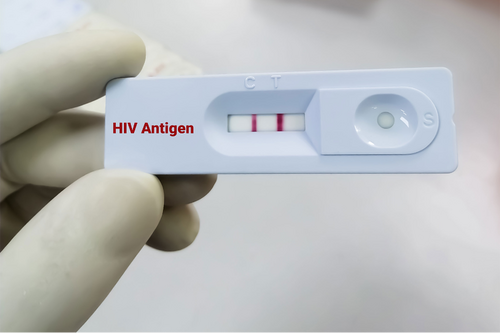
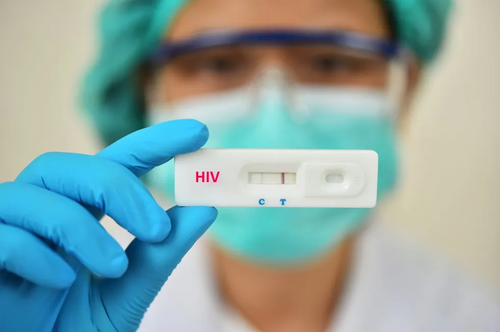
The escort should be informed about the latest sexual health and facts on how HIV is and is not transmitted. Proper education helps dispel any myths and misconceptions about the virus while promoting safer practices....

 Dr. Amy Pearlman MD
GenitoUrinary Surgeon and
Sexual Medicine Specialist
Board-Certified in Urology
MedicalResearch.com: What is the background for this study?
Response: There is significant controversy within urology (and in mainstream conversation) regarding penile enhancement. Our clinical experience with the PhalloFill protocol over the last 4 years has yielded great clinical and safety results. The purpose of our research is to study our outcomes in a more scientific fashion and, as a result, to be able to use this information to help educate potential patients, current patients, interested folks in the community, and other healthcare providers.
Dr. Amy Pearlman MD
GenitoUrinary Surgeon and
Sexual Medicine Specialist
Board-Certified in Urology
MedicalResearch.com: What is the background for this study?
Response: There is significant controversy within urology (and in mainstream conversation) regarding penile enhancement. Our clinical experience with the PhalloFill protocol over the last 4 years has yielded great clinical and safety results. The purpose of our research is to study our outcomes in a more scientific fashion and, as a result, to be able to use this information to help educate potential patients, current patients, interested folks in the community, and other healthcare providers.



The clinical phenotype of COVID-19 can result in multi-organ damage, both in its acute and chronic forms; sexual dysfunctions, and erectile dysfunction in particular, are among the potential consequences of infection...
 Dr. Kubik[/caption]
Martha Kubik, Ph.D., R.N.
Professor, School of Nursing
College of Health and Human Services
George Mason University
Member, U.S. Preventive Services Task Force
MedicalResearch.com: What is the background for this study? Are these infections increasing in incidence in the US?
Response: Chlamydia and gonorrhea are two of the most common sexually transmitted infections in the U.S. More people are being diagnosed with both of these STIs than ever, with nearly 2 million cases of chlamydia and more than 600,000 cases of gonorrhea reported in 2019, according to the CDC. Because most do not have symptoms, screening is vitally important to help ensure that these infections are discovered and treated, and serious health complications prevented.
Dr. Kubik[/caption]
Martha Kubik, Ph.D., R.N.
Professor, School of Nursing
College of Health and Human Services
George Mason University
Member, U.S. Preventive Services Task Force
MedicalResearch.com: What is the background for this study? Are these infections increasing in incidence in the US?
Response: Chlamydia and gonorrhea are two of the most common sexually transmitted infections in the U.S. More people are being diagnosed with both of these STIs than ever, with nearly 2 million cases of chlamydia and more than 600,000 cases of gonorrhea reported in 2019, according to the CDC. Because most do not have symptoms, screening is vitally important to help ensure that these infections are discovered and treated, and serious health complications prevented.


 Dr. Ottesen Kennair[/caption]
Leif Edward Ottesen Kennair, Phd
Professor, Department of Psychology
Norwegian University of Science and Technology
Trondheim, Norway
MedicalResearch.com: What is the background for this study?
Response: We have two important lines of research running parallel: 1) research into casual sex research. Over several papers inspired by previous evolutionary studies on casual sex we map the proximate mechanisms involved in regret. However, the adaptive function of regret: more adaptive future choices, was not addressed. This is something that most people and most regret researchers just take for granted. Bendixen et al 2017, Kennair et al 2016, 2018. 2) Research into how worry and rumination is not adaptive and how changing metacognitions about these mental processes are helpful here and now, and how discontinuing these processes is an efficient treatment of GAD and MDD. Kennair et al 2017. Solem et al 2019.
We found that it was important to question whether regret indeed was adaptive and affected more adaptive future short-term sexual choices. However, this demands a longitudinal design and such data are not easy to collect.
Dr. Ottesen Kennair[/caption]
Leif Edward Ottesen Kennair, Phd
Professor, Department of Psychology
Norwegian University of Science and Technology
Trondheim, Norway
MedicalResearch.com: What is the background for this study?
Response: We have two important lines of research running parallel: 1) research into casual sex research. Over several papers inspired by previous evolutionary studies on casual sex we map the proximate mechanisms involved in regret. However, the adaptive function of regret: more adaptive future choices, was not addressed. This is something that most people and most regret researchers just take for granted. Bendixen et al 2017, Kennair et al 2016, 2018. 2) Research into how worry and rumination is not adaptive and how changing metacognitions about these mental processes are helpful here and now, and how discontinuing these processes is an efficient treatment of GAD and MDD. Kennair et al 2017. Solem et al 2019.
We found that it was important to question whether regret indeed was adaptive and affected more adaptive future short-term sexual choices. However, this demands a longitudinal design and such data are not easy to collect.

 Dr. Simon[/caption]
Melissa A. Simon, M.D., M.P.H.
George H. Gardner Professor of Clinical Gynecology
Vice Chair of Clinical Research
Department of Obstetrics and Gynecology
Professor of Preventive Medicine and Medical Social Sciences
Northwestern University Feinberg School of Medicine
MedicalResearch.com: What is the background for this study? What are the main findings?
Response: Sexually transmitted infections (STIs) are on the rise across the country, with approximately 20 million new cases in the U.S. each year. If untreated, STIs can lead to serious health complications including infertility, AIDS, and cancer.
The good news is that effective behavioral counseling has the potential to reduce STI rates by approximately a third. The Task Force continues to recommend behavioral counseling for all sexually active teens and for adults who are at increased risk for STIs.
Dr. Simon[/caption]
Melissa A. Simon, M.D., M.P.H.
George H. Gardner Professor of Clinical Gynecology
Vice Chair of Clinical Research
Department of Obstetrics and Gynecology
Professor of Preventive Medicine and Medical Social Sciences
Northwestern University Feinberg School of Medicine
MedicalResearch.com: What is the background for this study? What are the main findings?
Response: Sexually transmitted infections (STIs) are on the rise across the country, with approximately 20 million new cases in the U.S. each year. If untreated, STIs can lead to serious health complications including infertility, AIDS, and cancer.
The good news is that effective behavioral counseling has the potential to reduce STI rates by approximately a third. The Task Force continues to recommend behavioral counseling for all sexually active teens and for adults who are at increased risk for STIs.

 Dr. Kaufman[/caption]
Gregory Kaufman, M.D.
Senior Vice President
Global Clinical and Medical Affairs
Specialty at Lupin
MedicalResearch.com: What is the background for this study? Would you briefly explain what is meant by trichomoniasis? How common is this infection?
Response: The Phase 3 trial evaluated the effectiveness and safety of a single oral dose of Solosec® (secnidazole) 2g oral granules for the treatment of trichomoniasis in adult women. Top-line results were positive and showed that Solosec was generally well-tolerated.
Trichomoniasis is the most common non-viral sexually transmitted infection (STI) in the U.S., and is caused by a protozoan parasite called Trichomonas vaginalis.[i] Trichomoniasis affects 3 to 5 million people in the U.S.,[ii] and is four- to five-times more prevalent in in women, compared to men.[iii].
Dr. Kaufman[/caption]
Gregory Kaufman, M.D.
Senior Vice President
Global Clinical and Medical Affairs
Specialty at Lupin
MedicalResearch.com: What is the background for this study? Would you briefly explain what is meant by trichomoniasis? How common is this infection?
Response: The Phase 3 trial evaluated the effectiveness and safety of a single oral dose of Solosec® (secnidazole) 2g oral granules for the treatment of trichomoniasis in adult women. Top-line results were positive and showed that Solosec was generally well-tolerated.
Trichomoniasis is the most common non-viral sexually transmitted infection (STI) in the U.S., and is caused by a protozoan parasite called Trichomonas vaginalis.[i] Trichomoniasis affects 3 to 5 million people in the U.S.,[ii] and is four- to five-times more prevalent in in women, compared to men.[iii].
 Dr. Jason Ong[/caption]
Jason Ong, PhD, MMed, MBBS, FAChSHM, FRACGP
Twitter: @DrJasonJOng
Sexual Health Physician, Melbourne Sexual Health Centre, Alfred Health
Associate Professor (Hon), London School of Hygiene and Tropical Medicine, UK
Central Clinical School, Monash University, Australia
Melbourne School of Population and Global Health, University of Melbourne, Australia
Associate Editor, Sexually Transmitted Infections
Special Issues Editor, Sexual Health
Board Director, ASHM
MedicalResearch.com: What is the background for this study?
Response: HIV pre-exposure prophylaxis (PrEP) is being rolled out globally. This will protect many people from HIV, however PrEP does not protect against other sexually transmitted infections (STI). So we wanted to quantify how much STIs are in PrEP users as a means to advocate to strengthen sexual health services in these settings where PrEP is being offered.
Dr. Jason Ong[/caption]
Jason Ong, PhD, MMed, MBBS, FAChSHM, FRACGP
Twitter: @DrJasonJOng
Sexual Health Physician, Melbourne Sexual Health Centre, Alfred Health
Associate Professor (Hon), London School of Hygiene and Tropical Medicine, UK
Central Clinical School, Monash University, Australia
Melbourne School of Population and Global Health, University of Melbourne, Australia
Associate Editor, Sexually Transmitted Infections
Special Issues Editor, Sexual Health
Board Director, ASHM
MedicalResearch.com: What is the background for this study?
Response: HIV pre-exposure prophylaxis (PrEP) is being rolled out globally. This will protect many people from HIV, however PrEP does not protect against other sexually transmitted infections (STI). So we wanted to quantify how much STIs are in PrEP users as a means to advocate to strengthen sexual health services in these settings where PrEP is being offered.
 Dr. Nobles[/caption]
Alicia Nobles, PhD, MS
Research Fellow
Department of Medicine
UC San Diego
MedicalResearch.com: What is the background for this study?
Response: Sexually transmitted diseases (STDs) are at record-high rates according to the Centers for Disease Control. Between STDs being highly stigmatized infections and people lacking access to health care, people may elect to turn to social media to connect with others. This is precisely why social media sites are so popular - because they do allow for people to talk with others rapidly.
Reddit, a social media site that rivals Twitter with 330 million active users and is the 6th most visited website in the United States, is organized into online communities, many of which discuss health topics. We monitored all r/STD (www.reddit.com/r/STD/) posts, where users can find “anything and everything STD related,” from its inception in November 2010 through February 2019.
Dr. Nobles[/caption]
Alicia Nobles, PhD, MS
Research Fellow
Department of Medicine
UC San Diego
MedicalResearch.com: What is the background for this study?
Response: Sexually transmitted diseases (STDs) are at record-high rates according to the Centers for Disease Control. Between STDs being highly stigmatized infections and people lacking access to health care, people may elect to turn to social media to connect with others. This is precisely why social media sites are so popular - because they do allow for people to talk with others rapidly.
Reddit, a social media site that rivals Twitter with 330 million active users and is the 6th most visited website in the United States, is organized into online communities, many of which discuss health topics. We monitored all r/STD (www.reddit.com/r/STD/) posts, where users can find “anything and everything STD related,” from its inception in November 2010 through February 2019.

The main conclusion is that female orgasm is a physiological process that originated for a reproductive role, namely to trigger the release of egg cells from the ovary, but has lost this function in the primate [including human] lineage....

 Camille Mori, B.A. (hons)
M.Sc. candidate
Clinical Psychology Program
Determinants of Child Development Lab
University of Calgary
MedicalResearch.com: What is the background for this study?
Response: Sexting, which is the sharing of sexual messages, images, or videos over technological devices, has recently become a cause for concern among parents, teachers, and policy makers. However, the research on sexting among youth is still in early stages, and evidence of the risks associated with sexting is inconsistent. One way to resolve discrepancies in the field is to conduct a meta-analysis, which statistically summarizes existing research. We conducted a meta-analysis in order to examine the association between sexting and sexual activity (having sex, multiple sexual partners, and lack of contraception use). The associations between sexting and mental health related variables, including delinquent behaviour, substance use, and depression/anxiety were also examined.
Camille Mori, B.A. (hons)
M.Sc. candidate
Clinical Psychology Program
Determinants of Child Development Lab
University of Calgary
MedicalResearch.com: What is the background for this study?
Response: Sexting, which is the sharing of sexual messages, images, or videos over technological devices, has recently become a cause for concern among parents, teachers, and policy makers. However, the research on sexting among youth is still in early stages, and evidence of the risks associated with sexting is inconsistent. One way to resolve discrepancies in the field is to conduct a meta-analysis, which statistically summarizes existing research. We conducted a meta-analysis in order to examine the association between sexting and sexual activity (having sex, multiple sexual partners, and lack of contraception use). The associations between sexting and mental health related variables, including delinquent behaviour, substance use, and depression/anxiety were also examined.
 Dr. Goyal[/caption]
Monika K. Goyal, M.D., MSCE
Assistant chief of Children’s Division
Emergency Medicine and Trauma Services
MedicalResearch.com: What is the background for this study?
Response: Adolescents are disproportionately affected by sexually transmitted infections (STIs) and often present to the emergency department for care. I have devoted almost 15 years of my career trying to improve the sexual health of teens through advocacy and the development of novel interventions in the emergency department to increase access to sexual health services for youths.
Dr. Goyal[/caption]
Monika K. Goyal, M.D., MSCE
Assistant chief of Children’s Division
Emergency Medicine and Trauma Services
MedicalResearch.com: What is the background for this study?
Response: Adolescents are disproportionately affected by sexually transmitted infections (STIs) and often present to the emergency department for care. I have devoted almost 15 years of my career trying to improve the sexual health of teens through advocacy and the development of novel interventions in the emergency department to increase access to sexual health services for youths.