
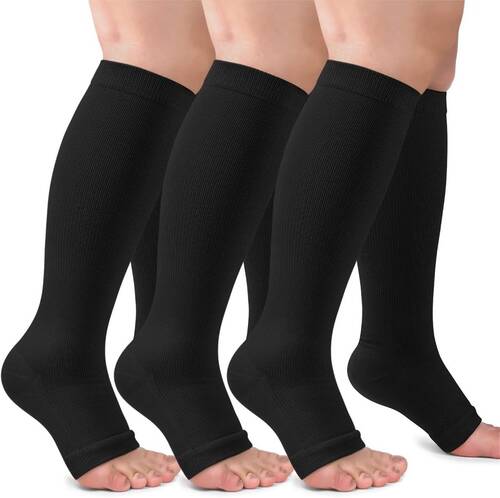
#compressionstockings Tag

Compression Garment Notice: Compression socks and stockings are not suitable for everyone. Speak with your healthcare provider before using them if you have peripheral artery disease or poor circulation in the legs, diabetes, neuropathy, heart failure, fragile skin, or skin infections or wounds on the legs. Seek prompt medical attention for sudden swelling, pain, warmth, or redness in one leg, or for shortness of breath or chest pain, which can be signs of a blood clot. This content is not specific medical advice, and suppliers linked here are not warranted or endorsed by MedicalResearch.com or Eminent Domains Inc.
If you've heard anything about compression socks so far, then you know that they can be useful for people who are dealing with heavy, tired, achy, or swollen legs. People tend to wear them during travel, as well as during long workdays, when pregnant, when exercising, or when recovering. Furthermore, they can be a part of a clinically recommended treatment plan for some vein related conditions. Yet, while you understand their purpose and their importance, one thing is for sure here. Choosing the right pair takes a lot more thought than when you are buying ordinary socks. These are designed specifically to apply controlled pressure to the legs, meaning that the style, the fit, and the level will all affect how comfortable, and how effective, they really are. 4 Mistakes to Avoid When Buying Compression Socks

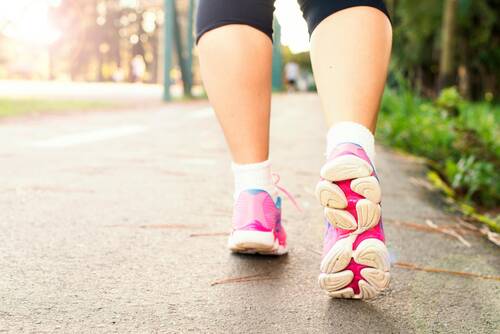
When we think about health, our minds often jump to the heart, lungs, or brain. But what about our veins? These vessels are the highways of our circulatory system, bring blood back to the heart so that it can be resupplied with oxygen.. Keeping them healthy is crucial for overall well-being. In this article, we'll dive into why vein health matters, how to recognize problems early, preventive measures, and the vital role healthcare professionals play in patient care.  [caption id="attachment_63079" align="aligncenter" width="500"]walking-legs-veins_pexels-daniel-reche-718241-1556710 Source[/caption]

Understanding the Importance of Vein Health

Vein health is a critical component of our circulatory system. Veins carry deoxygenated blood to the heart. When they’re not functioning correctly, it can lead to different issues, some of which can be quite serious.

Why Vein Health Matters

Healthy veins ensure that blood flows smoothly back to the heart. When veins are compromised, it leads to conditions like: - Varicose veins - Chronic venous insufficiency, often affecting the lower extremities and commonly referred to as CVI legs. - Deep vein thrombosis (DVT) These conditions can be life-threatening. Maintaining vein health is essential for preventing these conditions and ensuring overall cardiovascular health. Contact a vein doctor to receive professional help.

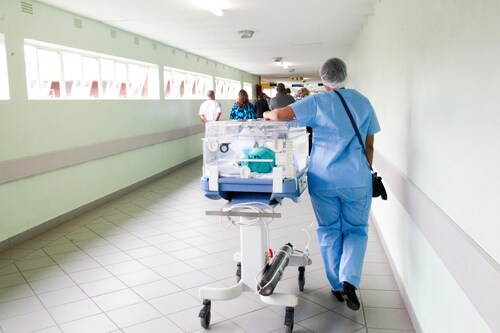
nursing-nurses_hush-naidoo-jade-photography-zco_5y29s8k-unsplash

Photo by Hush Naidoo Jade Photography on Unsplash

Nursing is one of the most physically demanding professions, often requiring long hours on one’s feet, frequent walking, and minimal time for rest during shifts. Nurses play a critical role in healthcare settings, providing direct patient care, assisting in surgeries, administering medications, and performing countless other tasks that require them to be constantly on the move. While this active nature of the job is necessary for providing high-quality care, it can have significant implications for nurses’ leg health. The physical demands of their job, including long shifts and constant movement, can take a toll on their legs and feet, leading to discomfort, swelling, and more serious health issues over time. This is where the compression socks for nurses come into play. These specialized socks are designed to promote better circulation and reduce leg fatigue, making them an essential item for nurses. In this article, we’ll talk about how compression socks improve leg health for nurses, the key benefits they offer, and tips on choosing the right pair.