Vascular Medicine

Compression Garment Notice: Compression socks and stockings are not suitable for everyone. Speak with your healthcare provider before using them if you have peripheral artery disease or poor circulation in the legs, diabetes, neuropathy, heart failure, fragile skin, or skin infections or wounds on the legs. Seek prompt medical attention for sudden swelling, pain, warmth, or redness in one leg, or for shortness of breath or chest pain, which can be signs of a blood clot. This content is not specific medical advice, and suppliers linked here are not warranted or endorsed by MedicalResearch.com or Eminent Domains Inc.

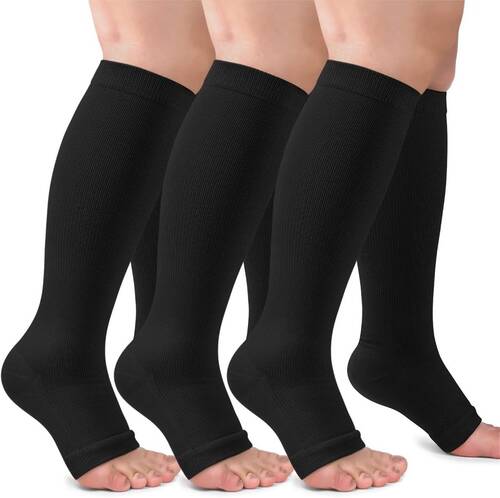
If you've heard anything about compression socks so far, then you know that they can be useful for people who are dealing with heavy, tired, achy, or swollen legs. People tend to wear them during travel, as well as during long workdays, when pregnant, when exercising, or when recovering. Furthermore, they can be a part of a clinically recommended treatment plan for some vein related conditions. Yet, while you understand their purpose and their importance, one thing is for sure here. Choosing the right pair takes a lot more thought than when you are buying ordinary socks. These are designed specifically to apply controlled pressure to the legs, meaning that the style, the fit, and the level will all affect how comfortable, and how effective, they really are. 4 Mistakes to Avoid When Buying Compression Socks

Notice: This post is provided for background information only. Consult your healthcare provider for specific medical advice regarding lipedema, lymphedema, or any condition involving limb swelling.

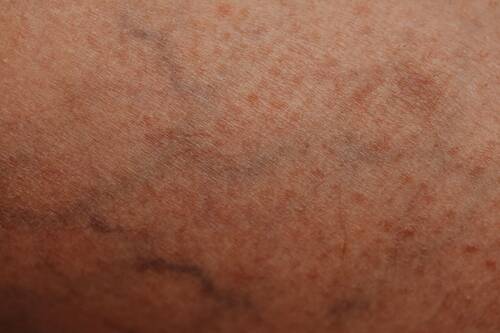
Lipedema and lymphedema are two conditions that present with similar surface features — bilateral limb swelling in the legs being the most visible — and that are consistently confused with each other in clinical settings, among patients, and in general information sources. The confusion is consequential. These are distinct conditions with different underlying pathophysiology, different diagnostic criteria, and different treatment approaches. A treatment programme designed for lymphedema will produce limited benefit in a patient with lipedema, and the delay in arriving at a correct diagnosis represents both continued suffering and missed opportunity for appropriate intervention. According to the National Library of Medicine, lipedema remains significantly underdiagnosed relative to its estimated prevalence, with many patients receiving incorrect diagnoses of obesity, lymphedema, or idiopathic oedema for years before the correct condition is identified.

[caption id="attachment_76189" align="aligncenter" width="500"]Image by pokpak05 on Magnific Image by pokpak05 on Magnific[/caption]

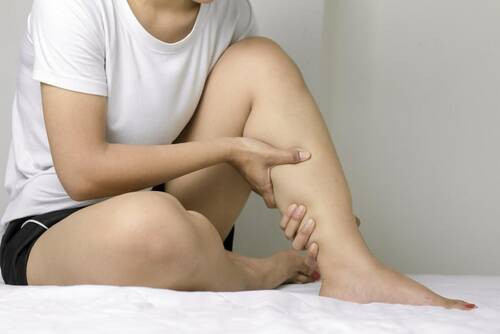
It's a feeling that defies easy description. A creeping, crawling, or pulling sensation deep in your legs that only arrives when you finally try to rest. The urge to move is overwhelming, and walking or stretching provides a moment of relief. But as soon as you settle back down, the feeling returns, disrupting sleep and diminishing your quality of life.

This experience is often dismissed as a simple case of fatigue or a minor annoyance. Yet, for many, the symptoms of restless legs at night are a sign of a deeper, treatable issue. It is a surprisingly common problem. A systematic review in the Journal of Global Health estimated the global prevalence of restless legs syndrome to be 7.12% among adults, affecting millions of people. Getting lasting relief often means avoiding common diagnostic and management mistakes. For context on when vascular conditions in the legs become a medical concern, see this overview of varicose veins and venous disease.

Quick answer: The uncontrollable urge to move your legs at night is frequently a symptom, not the core problem. The most common mistakes involve focusing only on temporary relief, overlooking underlying vascular conditions like venous insufficiency, and not investigating potential deficiencies or medication side effects that contribute to the symptoms.

What's inside:

  • Why "Just Stretch It Out" Isn't a Long-Term Fix
  • Could Your Veins Be the Real Culprit?
  • The Common Mistake of Ignoring Key Nutrient Levels
  • Are Your Medications Making Things Worse?
  • How to Have a More Productive Conversation With Your Doctor
  • Frequently Asked Questions About Nightly Leg Discomfort
[caption id="attachment_75371" align="aligncenter" width="500"]restless-legs-syndrome-pexels.jpg Photo by Mynie Botha[/caption]