
27 Jul How Small Molecules Accelerate Drug Discovery in Biomedical Research
Low-molecular-weight organic compounds are the backbone of modern drug discovery. This is due to their unique ability to penetrate cell membranes and interact with intracellular targets. While biophysics charts the sprawling macromolecular landscape of human disease, these agile chemical entities — clocking in under 900 Daltons — slip effortlessly into cellular microenvironments to interrogate target proteins with surgical precision.
These molecules are like lockpicks: they disrupt aberrant signaling loops, validate speculative therapeutic hypotheses, and establish baseline phenotypes by binding to cryptic hydrophobic pockets. But pinning down an elusive pathogenic target is only the first hurdle. Translating a raw benchtop insight into a reproducible preclinical drug candidate demands something more — an unyielding supply of ultra-pure, structurally verified research reagents to keep the experimental data from falling apart. For context on how functional screening is being used to identify which genes drive drug resistance in cancer, see this overview of how scientists use CRISPR screening to find the genes behind cancer drug resistance.
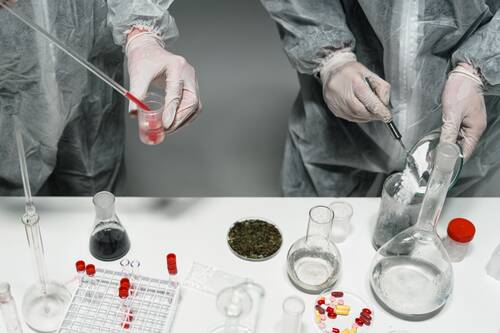
[caption id="attachment_75274" align="aligncenter" width="500"] Pexels[/caption]