06 Mar Why Over-the-Counter Lice Treatments Often Fail — and How Professional Nit Removal Solves the Problem
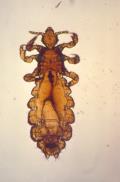
[caption id="attachment_72704" align="aligncenter" width="500"] CDC image[/caption]
Every year, an estimated 6–12 million children in the United States between the ages of 3 and 11 contract head lice (Pediculus humanus capitis). For most families, the first response is a trip to the pharmacy — and that response is increasingly likely to fail. Decades of widespread, often incorrect use of over-the-counter (OTC) pediculicides has driven a well-documented phenomenon: the emergence of "super lice," strains that carry genetic mutations conferring near-complete resistance to the insecticides most commonly found on pharmacy shelves.
This article examines the clinical and biological reasons OTC treatments fail so frequently, reviews what the research literature says about resistance and re-infestation, and explains why professional nit removal services represent the most evidence-aligned path to genuine, lasting resolution.
CDC image[/caption]
Every year, an estimated 6–12 million children in the United States between the ages of 3 and 11 contract head lice (Pediculus humanus capitis). For most families, the first response is a trip to the pharmacy — and that response is increasingly likely to fail. Decades of widespread, often incorrect use of over-the-counter (OTC) pediculicides has driven a well-documented phenomenon: the emergence of "super lice," strains that carry genetic mutations conferring near-complete resistance to the insecticides most commonly found on pharmacy shelves.
This article examines the clinical and biological reasons OTC treatments fail so frequently, reviews what the research literature says about resistance and re-infestation, and explains why professional nit removal services represent the most evidence-aligned path to genuine, lasting resolution.