Health Care Workers, Mental Health Research / 15.05.2026

[caption id="attachment_73784" align="aligncenter" width="500"]Long-Term Mental Wellness Needs Source[/caption]

How Modern Healthcare Is Redefining Emotional Wellness Support

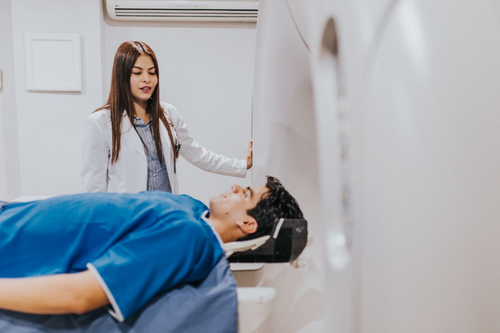
Modern healthcare is finally starting to acknowledge something people have quietly felt for years. Emotional wellness cannot realistically be handled through rushed appointments and short-term crisis conversations alone. Stress, burnout, anxiety, emotional fatigue, and long-term mental strain rarely disappear after one visit or one difficult week. People carry pressure from work, family routines, financial concerns, social expectations, and nonstop digital stimulation every single day, which means emotional wellness support now needs to function much more consistently within healthcare systems instead of appearing only during emergencies. The conversation around mental wellness changed because people increasingly want support that feels ongoing, practical, and connected to everyday life rather than isolated treatment moments separated by long gaps in care. Healthcare systems are adapting because emotional wellness has become impossible to separate from long-term physical health, work performance, sleep quality, relationships, and overall daily functioning. Hospitals, clinics, wellness programs, and healthcare providers are creating models focused more heavily on communication, consistency, and patient support over time.
Education, Health Care Systems / 15.05.2026

  [caption id="attachment_73778" align="aligncenter" width="500"]Leadership in Modern Healthcare Systems Source[/caption]

The Importance of Effective Leadership in Modern Healthcare Systems

Have you ever noticed how one calm, capable person can change the mood of an entire hospital floor? In modern healthcare, leadership does far more than manage schedules and meetings. It shapes patient care, staff morale, and even public trust. As hospitals face worker shortages, rising costs, and constant political debate, strong leadership has become the difference between systems that adapt and systems that collapse under pressure.

The Pressure Cooker Inside Modern Healthcare

Healthcare systems today operate like airports during a thunderstorm. Everyone is rushing, nobody has enough time, and one mistake can create chaos across the entire network. Leaders now manage far more than doctors and budgets. They handle cyberattacks, staffing shortages, public distrust, and the growing influence of artificial intelligence in medicine. The pandemic exposed how fragile healthcare systems could become when leadership breaks down. Hospitals ran short on nurses, misinformation spread faster than flu season, and burned-out workers left the industry in huge numbers. Good leaders stepped in by improving communication, supporting exhausted staff, and making difficult decisions without sounding robotic or detached. That human side matters more than many executives realize.
Education, Health Care Systems / 15.05.2026

[caption id="attachment_73775" align="aligncenter" width="500"]lead-complex-healthcare.png Image source[/caption]  

What Effective Healthcare Leadership Looks Like in Today's Environment

Many healthcare organizations across Oklahoma continue to deal with physician shortages, long travel distances for rural patients, and growing pressure on local clinics and hospitals. Leaders in these settings often make difficult decisions every day about staffing, patient access, budgets, and quality of care. At the same time, healthcare workers expect better support and clearer communication from management. Patients also want faster service, better experiences, and more transparency during treatment. These challenges have changed what leadership looks like in healthcare. Strong leaders now need practical problem-solving skills, emotional awareness, and a solid understanding of how healthcare systems operate. The job goes far beyond managing schedules or approving budgets. Today's healthcare environment demands leaders who can guide teams through uncertainty while still keeping patient care consistent and reliable.
Health Care Systems / 16.02.2026

[caption id="attachment_72423" align="aligncenter" width="333"]health-care-leadership-training.jpg Photo by cottonbro studio[/caption] Organizations move with particular momentum. Government agencies follow established protocols refined over decades. Corporations pursue strategies shaped by market pressures and shareholder expectations. Nonprofits operate within funding constraints and mission boundaries. This momentum feels inevitable, like organizational gravity. Yet a compelling question challenges this assumption: can intensive, time-bound leadership development actually shift institutional trajectories? The question matters because organizations increasingly face challenges their current momentum can't address. Climate adaptation, technological disruption, demographic shifts, and evolving stakeholder expectations demand different approaches. Traditional change management often fails because it fights against organizational momentum rather than redirecting it. Leadership development offers an alternative: change the leaders, change the trajectory.

The Acceleration Principle

Most professional development unfolds gradually. Promotions come every few years. Skills accumulate slowly through experience. Leadership capacity develops across entire careers. This timeline matches traditional organizational change speeds, where major shifts require five to ten years. Intensive leadership programs operate differently. They compress learning that might normally span years into weeks or months. A women in leadership course designed for cross-sector impact might run twelve to sixteen weeks, meeting regularly while participants continue their regular work. During this condensed period, professionals engage with new frameworks, practice unfamiliar skills, confront limiting assumptions, and build networks that typically take years to develop organically. The acceleration isn't arbitrary. It's designed to create disruption. When professionals step out of daily routines into intensive learning environments, they gain perspective impossible to achieve while immersed in organizational norms. They see their institutions differently. They recognize patterns they'd previously considered inevitable as actually being choices. This recognition opens possibilities for different choices.