

#hotflashes Tag

Health Notice: Hormone replacement therapy, including bioidentical and pellet therapy, should only be prescribed and monitored by your healthcare provider. The Menopause Society and ACOG don’t recommend compounded pellets for routine use. The doses aren’t FDA-approved, can’t be adjusted or removed once placed, and can raise hormone levels too high. See a doctor promptly for very heavy or prolonged bleeding, bleeding between periods, or any bleeding after menopause as well as your regular checkups.  If you are experiencing persistent low mood or thoughts of harming yourself, call or text 988 (Suicide & Crisis Lifeline) or text HOME to 741741 in the U.S.; in the UK, call Samaritans free on 116 123.

Editorial Notice: This article is for general information and is not specific medical advice. Clinics and providers named or linked in this article are not warranted or endorsed by MedicalResearch.com or Eminent Domains Inc.

It's 3 pm, and you've hit the wall. You've done the school run, answered a pile of work emails, tracked down a missing PE kit, and forgotten why you walked upstairs. By teatime, you're snapping at the kids over nothing, and at 3 a.m., you're wide awake with your mind racing. Most of us shrug and call it mum life. Yet hormone specialists, including the team at Bio Hormone Center, a physician-led hormone replacement clinic headed by board-certified gynecologist Dr. Michael Augustino, according to the clinic, list fatigue, brain fog, moodiness, and poor sleep among the most common signs of shifting hormones.

So if you're knackered in a way a lie-in never fixes, it's worth asking a different question. Is this burnout, or could it be perimenopause? The honest answer is that it can be both, and knowing the difference changes what actually helps.
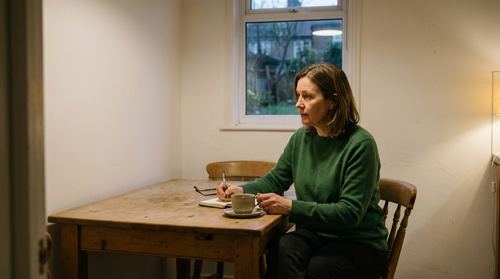

Health Notice: Any vaginal bleeding after menopause (after 12 months without a period), very heavy or prolonged bleeding, or bleeding between periods should be evaluated promptly by a healthcare provider rather than waiting for a routine visit. Hormone therapy and prescription treatments should only be prescribed and monitored by your healthcare provider. If you are experiencing persistent low mood or thoughts of harming yourself, call or text 988 (Suicide & Crisis Lifeline) or text HOME to 741741.

Editorial Notice: This article is for general information and is not specific medical advice. Products, clinics and providers named or linked in this article are not warranted or endorsed by MedicalResearch.com or Eminent Domains Inc.

Your periods have gone unpredictable, you're waking up hot at 3 a.m. and sex has started to hurt in a way it never used to. You finally have an appointment on the calendar, and you're worried you'll sit down, go blank and leave without mentioning half of it.

A midlife health appointment is short, and the symptoms that matter most are often the hardest to bring up. A little preparation changes that. With a symptom history, a list of what you're already using and your questions written in order, you can cover the important things in the time you have.

[caption id="attachment_64076" align="aligncenter" width="500"]hot-flashes-mood-swings Source[/caption] Puberty is often depicted in pop culture. Tweens coming of age are widely shown on television and in films, books, and music. But what about menopause?  Discussions on menopause weren’t nearly as common—at least, not until recently. For years, this significant life transition for women has flown under the radar, treated as a hush-hush topic, or simply ignored.  But now, the stigmas surrounding menopause are dissolving. Celebs like Sofia Vergara, Olivia Munn, Tyra Banks, and Angie Harmon have shared their experiences firsthand, bringing more visibility to a long-overdue conversation. Menopause is something every woman will experience in her 40s or 50s.  This natural stage of aging brings about all sorts of changes—hot flashes, mood swings, hair shedding, and more. The good news is that there are ways to manage the symptoms. Some of them are discussed here.