
30 Jul Why More Older People Are Choosing Live-in Care Instead of Moving Into a Care Home
For many families, there comes a point when an ageing parent or relative needs more support than can be provided by occasional visits or hourly care. Traditionally, moving into a residential care home was seen as the next logical step. Today, however, an increasing number of families are choosing a different path: professional live-in care.
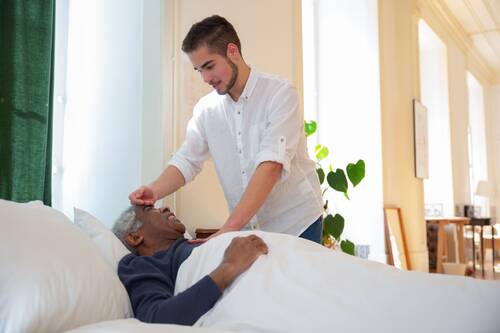
Live-in care allows an older person to remain in the comfort and familiarity of their own home while receiving round-the-clock support from a dedicated professional carer. It offers a level of personalised care that can be difficult to achieve in larger residential settings, while enabling people to maintain their independence, routines and sense of identity. For more on how technology and home-based approaches are reshaping what it means to age well, see this overview of tech-smart aging for home, help and health.
Research into home-based care continues to grow, and although outcomes vary depending on individual circumstances, there is increasing evidence that supporting older people to remain safely at home can improve wellbeing, reduce unnecessary hospital admissions and help people maintain their independence for longer. According to Age UK, the vast majority of older people express a strong preference for remaining in their own home as long as safely possible.
[caption id="attachment_75334" align="aligncenter" width="500"] Photo by Kampus Production[/caption]