[caption id="attachment_72613" align="aligncenter" width="500"] Unsplash image[/caption] Music has always held a quiet power over the human mind. Long before modern medicine,...
[caption id="attachment_72613" align="aligncenter" width="500"] Unsplash image[/caption] Music has always held a quiet power over the human mind. Long before modern medicine,...
Unsplash image[/caption]
Heatwaves, storms, floods, and cold spells often create serious risks for health and well-being. These extreme weather events, unfortunately, are occurring more frequently and getting more dangerous than ever.
In 2024, the US saw 27 billion-dollar extreme weather and climate disaster events. Among them, seventeen were severe storms. As we entered 2025, the US saw more of these events in a short period. In fact, in the first half of 2025, extreme weather events cost the country more than $100 billion.
During extreme weather events, taking care of their loved ones is a priority for most families. And for many, protecting elderly loved ones during these times becomes a constant worry.
Thankfully, reliable home care services can make a meaningful difference here for those under their watch. Here’s how.
In many cases, insurance or Medicare may partially cover the cost when a hospital bed is deemed medically necessary, making...
Freepik[/caption]
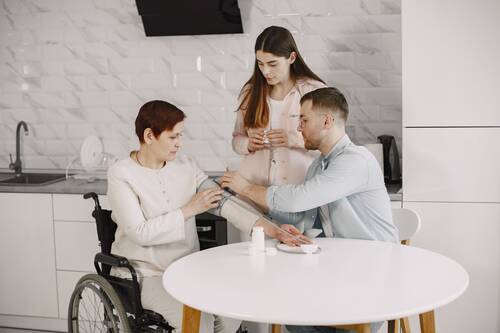
Across Texas, many adults want to stay in the homes they know. In home care makes that possible by adding support without taking control away. Services can range from help with morning routines to clinical visits after a hospital stay. Dallas families often choose a mix of care so daily life feels steady and safe. For local support, Elara Caring home care team can match services to changing needs. Understanding the main service types helps business minded caregivers plan time, costs, and expectations.
Personal Care And Daily Living Support
Personal care focuses on the tasks that shape comfort and dignity. A caregiver may assist with bathing, dressing, grooming, and safe walking inside the home. Support can also include toileting help, simple meal setup, and light cleanup in the kitchen. When these basics are covered, many seniors save energy for family, faith, and hobbies. Caregivers follow the person’s preferred routine, so the day still feels familiar. This kind of help is often scheduled in short visits, which keeps independence at the center.
Homecare regulations for chronic disease management are experiencing a significant and rapid transformation. The major factors affecting this are evolving patient needs, technological advances, and changing reimbursement models. As the demand for home-based care continues to grow, an understanding of the regulatory framework becomes a necessity for healthcare providers, caregivers, and families navigating this complex environment.
Aged care services for seniors have seen remarkable improvements in recent years, largely due to advancements in medicine and technology. These changes are helping older adults live more comfortably and independently. From managing chronic diseases to enhancing mental health support, medical progress is reshaping the way we care for the elderly.
This article explores how these advancements are making a difference and what they mean for the future of aged care.
An example of using assistive technology as part of a life care plan would include a person who has suffered a catastrophic injury resulting in lifelong disabilities, such as a motor vehicle accident resulting in a spinal cord or brain injury. This individual may be awarded a settlement based on the extent of their injuries. Therefore, it is important to sort out the necessary costs for future treatment and home health care so that the injured person can get the full amount needed to manage their care for the duration of their life.
The injured person will often enlist the assistance of a life care planner to calculate and propose a total settlement amount needed to manage basic care. Obviously, this is an important juncture in the injured person’s life, and the process needs to be meticulous.
As the population ages, the demand for in-home care continues to grow. Advances in technology and training have made it...
Photo by Antoni Shkraba[/caption]
Photo by Sora Shimazaki[/caption]
This site complies with the HONcode standard for trustworthy health information:
verify here.