Cancer Research, Global Health / 21.05.2026

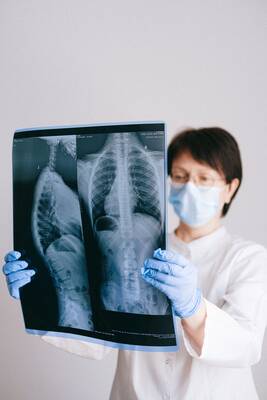
[caption id="attachment_73895" align="aligncenter" width="500"]TACE Transarterial chemoembolization Photo by Tima Miroshnichenko[/caption] The modern fight against cancer requires solutions that go beyond classical surgery. For many patients around the world, the diagnosis of cancer treatment is associated with severe challenges, especially when the tumor is recognized as inoperable. Booking Health presents updated access programs to TACE in Germany, a method that has become a real breakthrough for patients looking for alternative and minimally invasive ways to overcome the disease. Transarterial chemoembolization – is a minimally invasive procedure that combines local chemotherapy with embolization of tumor blood vessels. It allows for delivering a high concentration of the drug directly to the focus of the disease, minimizing the effect on the whole body. Booking Health specialists help international patients get this modern type of cancer treatment in the shortest possible time.
Author Interviews, Biomarkers, Cancer Research, Hepatitis - Liver Disease / 18.05.2022

MedicalResearch.com Interview with: [caption id="attachment_59163" align="alignleft" width="70"]Yujin Hoshida Dr. Hoshida[/caption] Yujin Hoshida, MD, PhD Director, Liver Tumor Translational Research Program CPRIT Scholar in Cancer Research Harold C. Simmons Comprehensive Cancer Center Professor of Internal Medicine Division of Digestive and Liver Diseases, Department of Internal Medicine University of Texas Southwestern Medical Center MedicalResearch.com:  What is the background for this study?  Response: Liver cancer is the fastest rising cause of cancer-related death in the U.S. with the sharply growing epidemic of obesity and non-alcoholic fatty liver disease. Late diagnosis at advanced stage is the main reason for the poor survival of liver cancer patients. Therefore, professional societies recommend semi-annual liver cancer screening for early diagnosis. However, it's practically infeasible due to the vast size of patient population (estimated to affect one-fourth of population). Thus, we urgently need tools to identify a small subset of patients with elevated liver cancer risk, on which we can concentrate our effort of screening.