
24 Aug Organic Mastic Gum: What the Medical and Dental Research Show
Supplement Notice: These products have not been evaluated by the FDA and are not intended to diagnose, treat, cure, or prevent any disease or health condition. Supplements are not a substitute for regular medical checkups or professional healthcare. Do not delay seeking medical evaluation or treatment by taking supplements. Some supplements should not be taken if you are pregnant, nursing, or may become pregnant. Supplements may interact with prescription medications and other drugs — always inform your physician or qualified healthcare provider about any and all supplements you are taking. Always consult your healthcare provider before beginning any new supplement regimen, especially if you have an existing health condition or take other medications.
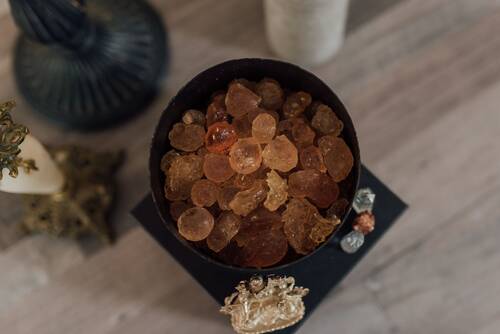
Mastic gum is a natural resin obtained from Pistacia lentiscus, an evergreen shrub native to the Mediterranean. The most recognized commercial source is the Greek island of Chios, where growers collect hardened drops of resin traditionally called "tears." Mastic has been chewed and used in foods for centuries. Modern laboratory and clinical research has examined its relationship with oral bacteria, plaque formation, and digestive symptoms. The evidence is interesting, but narrower than many online health claims suggest.
[caption id="attachment_75701" align="aligncenter" width="500"] Photo by Arina Krasnikova[/caption]