
02 Sep How Evidence-Based Clinic Design Drives Operational Efficiency and Patient Outcomes
The landscape of modern medicine is shifting rapidly. Historically, clinic construction prioritised maximum patient density and utilitarian surfaces, often overlooking the profound psychological impact of the built environment. Today, administrators and clinicians recognise that the physical environment is not just an aesthetic backdrop, but an active participant in patient healing and systemic efficiency. By leveraging Evidence-Based Design (EBD), healthcare facilities can utilise empirical research to guide architectural and structural decisions. When practice owners invest in professional medical fitouts, they are actively translating clinical research into compliant, high-performing physical environments that benefit both staff and patients. Organisations like The Center for Health Design now maintain extensive repositories of over 1,200 peer-reviewed studies proving that spatial layouts, acoustics, and lighting directly influence clinical success. According to the American Hospital Association, evidence-based approaches to healthcare facility design are increasingly recognised as essential to improving patient outcomes, staff wellbeing, and operational efficiency across all clinical settings.
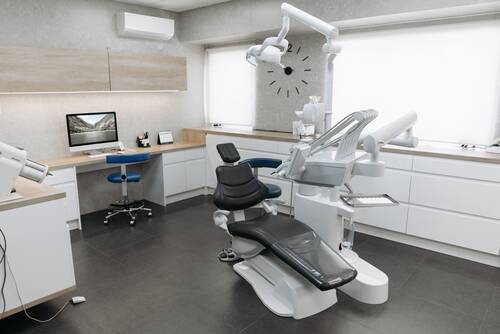
[caption id="attachment_75847" align="aligncenter" width="500"] Photo by Pavel Danilyuk[/caption]