Medical Equipment / 06.09.2025

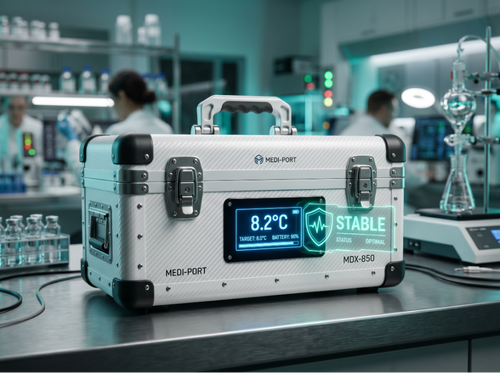
[caption id="attachment_70557" align="aligncenter" width="500"]medicala-equipment-storage Freepik image[/caption] Medical equipment is useful in remaining healthy, but equipment like wheelchairs, oxygen tanks, walking aid equipment, and monitoring equipment takes a substantial amount of space in the home. The equipment needs to be stored somewhere for it to stay in operational condition. Chaotic homes create issues of safety and decreasing expedient access to equipment. Off-site storage is the answer, for equipment is stored safely, conveniently, and protected from environmental factors in climate-controlled warehouses. Not only does it free up space at home but also provides peace of mind that essential equipment is on hand at short notice. Historical Note: Off-site storage of medical equipment traces its beginnings in military field hospitals of the 19th century. Military groups stored supply stocks in designated storing quarters or tents to keep supplies away from damage and to have order in the treatment area. The system was used to keep critical equipment at a state of readiness and have it safe and operational in the event of emergency. Off-site storage now continues that tradition by giving homes a modern means of safeguarding healthcare items.

Why storage matters

Storing medical devices properly is essential for both safety and efficiency at home. Large equipment like mobility aids or oxygen tanks can quickly take up space, creating clutter that makes it harder to move around freely. Smaller devices, when scattered, are easy to misplace or damage. That is why many families are turning to secure off-premises solutions. With New Hampshire finds quiet order through NSA Storage, households can rely on a well-organized system that keeps vital medical devices safe, accessible, and protected in the right environment. Having a dedicated storage solution allows families to focus on care instead of worrying about clutter.
  • Keeps bulky equipment from crowding living spaces
  • Protects sensitive devices from damage and dust
  • Ensures quick access when the equipment is needed most
 The importance of proper storage cannot be overstated. When devices are kept in the right conditions, they last longer and perform reliably. This not only saves money on replacements but also provides peace of mind for caregivers and patients alike. Organized storage supports healthier living by reducing stress and creating a safer, more functional home environment.
AI and HealthCare, Medical Equipment / 11.07.2025

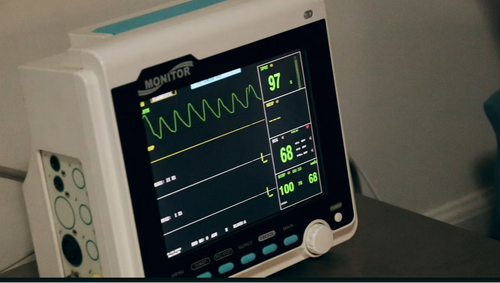
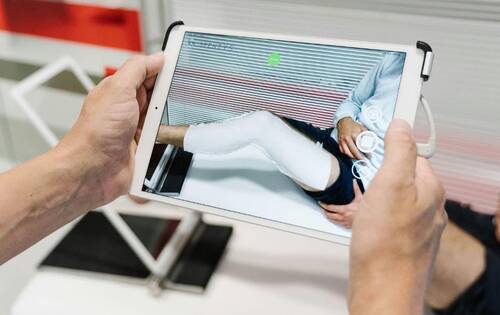
[caption id="attachment_69484" align="aligncenter" width="500"]remote-monitoring-medical-research Photo by MedPoint 24[/caption] Remote monitoring is rapidly becoming a central component of modern clinical research. Driven by advancements in digital health technologies, wearable sensors, and telecommunication platforms, remote monitoring allows investigators to collect real-time patient data without requiring participants to travel to study sites. This shift toward decentralized clinical trials and virtual monitoring has significant implications for the future of research—making studies more accessible, cost-effective, and representative. At its core, remote monitoring involves the collection of health-related data from participants outside of traditional clinical settings, using connected devices such as smartwatches, mobile apps, biosensors, and electronic health records (EHRs). Data collected may include vital signs, medication adherence, physical activity, symptom reporting, or even biometric data such as ECGs or glucose levels. The COVID-19 pandemic accelerated the adoption of remote monitoring, revealing both its vast potential and practical limitations. In 2025 and beyond, the challenge lies in striking a balance—leveraging the benefits while addressing regulatory, technical, and ethical complexities.
Medical Equipment / 02.05.2025

[caption id="attachment_68266" align="aligncenter" width="500"] Photo By: Kaboompics.com[/caption]

Medical devices play a vital role in modern healthcare, enhancing the ability of clinicians to diagnose, monitor, and treat a wide range of health conditions. From simple tools like thermometers to complex implants like pacemakers, each medical device follows a structured lifecycle that ensures its safety, efficacy, and compliance with regulatory standards. Understanding this lifecycle is crucial for manufacturers, regulatory bodies, and healthcare providers alike.

  1. Concept and Feasibility

The lifecycle of a medical device begins with the identification of a medical need. This could be a new method to monitor chronic disease, an improvement over existing tools, or a completely novel approach to treatment. During the concept phase, inventors, engineers, and medical experts collaborate to develop a clear understanding of the problem, explore potential solutions, and evaluate the feasibility of developing a device that addresses the identified need.

Feasibility studies often include technical assessments, market analysis, and an initial regulatory pathway review. At this stage, prototyping begins, often relying on rapid iteration techniques such as SLS 3D printing services, which allow engineers to create functional prototypes quickly and cost-effectively. Selective Laser Sintering (SLS) is particularly valuable for producing durable and precise components that can mimic final product functionality.

Medical Equipment / 25.04.2025

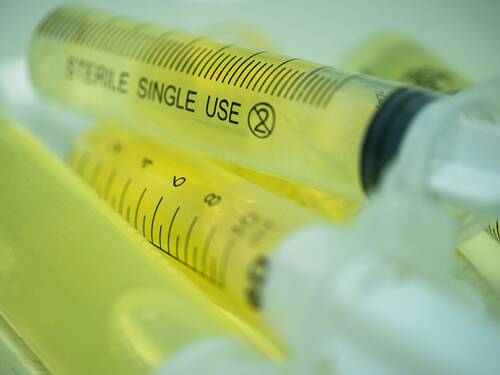
[caption id="attachment_68131" align="aligncenter" width="500"]IV Fluids Photo by RDNE Stock project[/caption] A pillar of inpatient treatment, intravenous (IV) fluid therapy is vital for maintaining hydration, electrolyte balance, and drug delivery. Good administration calls for both proper support solutions and attentive management. Emphasizing the need for appropriate equipment and methods, this paper investigates the main features of support systems for inpatient fluid therapy. Hospitals have to buy IV Poles that satisfy the particular needs of their personnel and patients to guarantee the safe and efficient delivery of fluids.

The Importance of Accurate Fluid Delivery

Medical Equipment, Technology / 01.03.2025

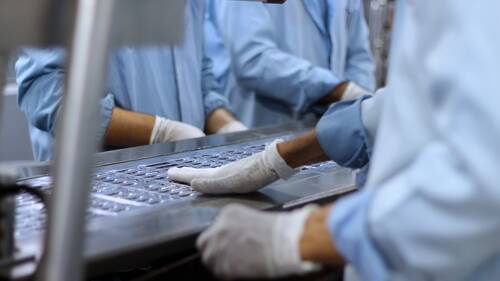
Contract Engineering   As a small to medium-sized company in the medical device, biotech, or industrial sectors, scaling up your manufacturing capabilities can be one of the most challenging—and critical—phases of your product’s lifecycle. Whether you’re moving from a prototype to full-scale production or trying to meet growing demand, the need for reliable, efficient, and high-quality manufacturing is paramount. This is where contract engineering comes into play. Contract engineering is an increasingly popular solution for companies looking to scale their medical device manufacturing. By partnering with contract engineering firms, businesses gain access to specialized expertise, advanced technologies, and the flexibility needed to navigate the complexities of the manufacturing process. In this article, we’ll explore why contract engineering is essential for scaling your medical device manufacturing and how it can help you meet regulatory requirements, reduce costs, and accelerate time to market.
Medical Equipment, Surgical Research / 28.02.2025

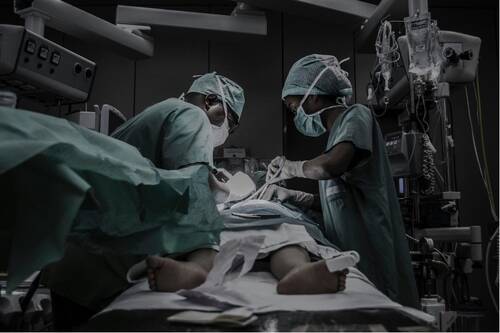
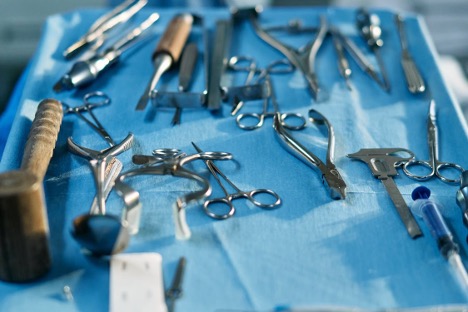
[caption id="attachment_66938" align="aligncenter" width="500"]medical-vacuums-operating-room Photo by Chan Walrus[/caption] In a hospital setting, even the smallest system failure can have life-threatening consequences. Medical vacuum pumps are one of those critical systems that often go unnoticed—until they stop working. These pumps provide continuous suction for surgeries, clear airways in emergencies, and remove fluids to prevent infections. When a vacuum system fails, patient care is directly impacted. To ensure reliability, hospitals must invest in proper medical gas installation and ongoing maintenance. A well-designed system not only enhances efficiency but also meets NFPA 99 safety standards. Certified medical gas installers play a key role in ensuring these systems function as intended, preventing disruptions in care and maintaining compliance with healthcare regulations.

Key Applications of Medical Vacuum Pumps

Medical vacuum pumps serve multiple roles in healthcare, with their primary function being to provide suction for various medical procedures. These applications require precision and reliability, as any disruption can impact patient safety.
Medical Equipment, Technology / 28.12.2024

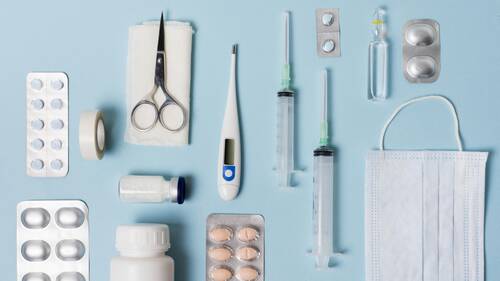
The field of supplies is experiencing change due to the influence of technological advancements in the healthcare sector, which necessitate innovative approaches to meet growing needs. Examining the impact of technology in this industry can offer valuable perspectives into upcoming developments.  [caption id="attachment_65726" align="aligncenter" width="500"]medical-supplies Image Source[/caption]

Role of Technology in Future of Medical Supplies

Convert Records into a Data

The use of technology is vital in modernizing healthcare services. Electronic medical records (EMRs) help organize data, making it easier to access and ensuring accuracy. By switching to electronic records, healthcare professionals can swiftly retrieve backgrounds to make well-informed choices on medical resources. This transition minimizes mistakes linked to documentation, resulting in quality care for patients overall. 
Medical Equipment, Technology / 10.10.2024

[caption id="attachment_63917" align="aligncenter" width="500"]oxygen-regulator Image Source[/caption] Oxygen tank regulators are very crucial in allowing the patient to obtain the quantity of oxygen supply that he or she needs with extreme accuracy. Getting an appropriate regulator oxygen tank is quite important, both in terms of safety and efficiency, since different applications have different specifications. This guide shall help understand the key considerations for selection when the oxygen tank regulator is to be used in a medical setting.