
27 Apr The Pharmacokinetics of the Last Mile: Protecting Cannabinoid Integrity in 2026
Source: IMAGE
Editor’s note: Cannabis and THCA/Hemp CBD products should have an active ingredient list on the container and a Certificate of Analysis (COA). Discuss your use of THC, cannabis, or CBD products with your health care provider. Dosing of cannabis products is variable, especially since they are not FDA regulated. Cannabis/CBD may interfere with other medications and should not be used in individuals with certain health conditions, including liver issues. CBD skin care products can be absorbed through the skin and have similar effects. Do not use cannabis products including edibles, drinks, and CBD if you are pregnant, nursing, or may become pregnant. Do not use cannabis products if driving or operating difficult or dangerous machinery. Children should not be exposed to cannabis or CBD products.
Whereas logistics professionals are more likely to concentrate on the purity and quality of laboratory extractions or cultivations, one of the most unstable parts of the medicinal substance’s route to delivery — the final mile — may sometimes be neglected. The cannabis industry has turned to a pharmaceutical approach in 2026 to safeguard the chemical composition of the plant from exposure to damaging effects before reaching the end user.
The Science of Thermal Degradation and Molecular Shifts
The main challenge is the heat issue, which is considered the major cause of irregularity among chemicals. Research results from the beginning of 2026 indicate that different temperatures during transportation can affect the composition of cannabis within three hours by 15%.
The THCA to THC Conversion
Ineffectiveness of logistics can lead to the transformation of non-psychoactive THCA into Delta-9 THC. The presence of high temperatures due to the lack of temperature control inside transport vehicles can cause the decarboxylation process. For patients who use acidic cannabis for pain relief without any psychotropic side effects, this can become problematic.
The CBN Transition
Degradation goes further than just THC. Under conditions of high temperatures during transportation, THC can further break down to Cannabinol (CBN). While CBN does have medicinal qualities, it is far more of a sedative — meaning people using sativa strains to help deal with fatigue can get the opposite effect because of CBN.
Terpene Volatility and the Entourage Effect
The terpenes, which are the aromatic chemicals behind the entourage effect, are actually more sensitive to breakdown than the cannabinoids themselves. Monoterpenes are quite volatile and vaporize easily at lower temperatures. Studies indicate that the breakdown of these chemicals due to heating results in an inferior product with a diminished synergy effect.
Cannabinoid Stability Comparison
| Compound | Optimal State | Degraded State (Heat/UV) | Therapeutic Impact |
|---|---|---|---|
| THCA | Non-intoxicating; anti-inflammatory | Delta-9 THC | Shifts from medical to intoxicating |
| THC | Primary active agonist | Cannabinol (CBN) | Loss of potency; increased sedation |
| Terpenes | Aromatic & synergetic | Evaporation/Oxidation | Loss of the entourage effect |
| CBD | Neuroprotective; anti-anxiety | Secondary Metabolites | Reduced bioavailability and efficacy |
Implementing Cold Chain Protocols in Regional Logistics
By 2026, there will be major shifts in cannabis logistics driven by regulatory demands. Active biochemical molecules are now controlled as strictly as RNA vaccines or biological drugs. Pharmaceutical data about cold chain logistics indicate that molecules must maintain their integrity within a narrow temperature window from 4°C to 15°C.
Insulated Transport Units: The transportation of cannabis products is now done using trucks and lorries with air conditioning units containing PCM materials to avoid temperature fluctuations even when the transportation vehicle remains stationary.
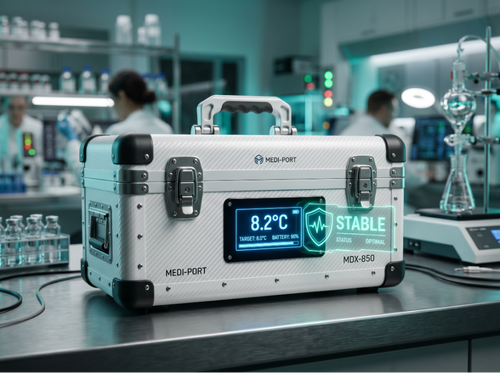
Real-Time IoT Monitoring: Digital data loggers and IoT sensors have become standard equipment. These devices monitor the internal environment of each delivery container, providing a tamper-proof record of temperature throughout transit.
Performance Qualification (PQ): Prominent companies perform thermal mapping of the route used for transporting products to ensure that all deliveries are kept within validated temperature limits, conforming to ALCOA+ data standards.
Local logistics optimization acts as an important connection for residential access. Using a professional and licensed dispensary weed delivery Citrus Heights will ensure that appropriate storage techniques will be utilized all the way from the dispensary shelf to the delivery location, with Batch-Specific Verification.
Digital Transparency and Batch-Specific Verification
For the medical market in 2026, trust will be built on the immutability of information rather than marketing promises. Consumers will depend more on blockchain labeling systems to confirm the exact analysis of their batch before unboxing the product. Recent investigations into product packaging indicate that incomplete labeling continues to pose a risk. The integration of QR codes linked to blockchain ledgers enables patients to access the precise chemical fingerprint of their delivery, verifying that CBD-to-THC ratios remain unaltered by improper storage and providing immediate access to pesticide and heavy metal clearance records.
Therapeutic Continuity for Sensitive Demographics
For an increasing segment of the population, home delivery constitutes a vital component of healthcare. Meta-analyses from 2026 on medication adherence demonstrate that consistent access to standardized compounds via home delivery significantly improves outcomes for patients with limited mobility or chronic pain. The National Institutes of Health (NIH) emphasizes that dosing consistency is fundamental to effective long-term symptom management.
Discreet Access: Professional delivery companies help remove social stigma and physical difficulties from having to visit a storefront, allowing patients to receive their medicines with their dignity intact.
Reliable Adherence: The automation of timing and scheduling helps ensure that patients can adhere to strict dosing schedules without running out of their medications.
Chain of Custody: Drivers trained in HIPAA-compliant protocols serve as the final link in a secure chain of custody, ensuring that medication reaches the intended patient in its validated pharmaceutical state.
Frequently Asked Questions
What is the “Cold Chain” in 2026 cannabis delivery?
Cold chain entails an intricate system of maintaining temperatures in a way that protects the biochemical structure of biologics. In relation to cannabis, the cold chain includes the use of temperature-monitored trucks and insulating packaging materials to ensure that no damage to the chemical composition is caused by temperature variations.
How does heat damage affect the potency of my product?
Temperatures higher than 25 degrees centigrade result in faster oxidation of THC and evaporation of terpenes. Not only does this decrease effectiveness, but it also changes the effect altogether, resulting in more sedative and less medicinal cannabis.
Why should I care about THCA decarboxylation during delivery?
If you are using THCA for its specific non-intoxicating properties — such as treating autoimmune or inflammatory issues — heat-induced decarboxylation will turn that THCA into THC. This means your medicine could accidentally become an intoxicant, affecting your ability to drive, work, or focus.
Can I see the temperature history of my specific delivery?
Yes. High-end delivery services in 2026 utilize IoT data loggers. Many providers allow patients to scan a code on their receipt to view the thermal journey of their product, confirming it stayed within the safe 4°C to 15°C range.
Is residential delivery as safe as buying in a store?
In many cases, it is safer for the product’s integrity. While a storefront might have inconsistent shelf temperatures, a dedicated cold-chain delivery service uses validated, climate-controlled environments specifically designed to prevent the environmental fluctuations that occur in retail showrooms.
Conclusion
Regional logistics development exemplifies an important trend in the biotech industry, where molecular integrity takes precedence over convenience. The final leg of the transport process can be viewed as a clinical parameter, as professional logistics companies maintain laboratory protocols all the way to the patient’s residence. The “last mile” is not regarded as the weak point of the logistics chain but rather as a provider’s pledge to patient safety and therapy effectiveness.
References
-
- National Research Council Canada (NRC): Thermal stability of cannabinoids in dried cannabis: a kinetic study (
March 2026 update). - Journal of Pharmaceutical and Biomedical Analysis: Matrix-dependent degradation kinetics and impurity fingerprinting of CBD.
- Cannabis and Cannabinoid Research Journal: Decarboxylation Study of Acidic Cannabinoids: Kinetic Modeling across Variable Thermal Stress.
- U.S. Food and Drug Administration (FDA): 21 CFR 203.32 – Drug Product Returns and Temperature Monitoring.
National Institutes of Health (NIH): Patient Adherence and the Impact of Home Delivery for Chronic Symptom Management.
- National Research Council Canada (NRC): Thermal stability of cannabinoids in dried cannabis: a kinetic study (
Disclaimer: The information on MedicalResearch.com is provided for educational purposes only, and is in no way intended to diagnose, cure, or treat any medical or other condition. Some links are sponsored. Products, services and providers are not warranted or endorsed by MedicalResearch.com or Eminent Domains Inc. Always seek the advice of your physician or other qualified health and ask your doctor any questions you may have regarding a medical condition. In addition to all other limitations and disclaimers in this agreement, service provider and its third party providers disclaim any liability or loss in connection with the content provided on this website.
Last Updated on April 29, 2026 by Marie Benz MD FAAD