
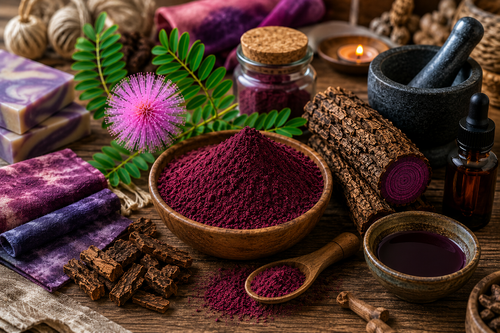
22 Jun Mimosa Hostilis Root Bark: A Crafter’s Essential Natural Ingredient
Important Legal and Regulatory Notice: Mimosa hostilis root bark (MHRB) may be subject to legal restrictions depending on your jurisdiction and intended use. MHRB contains naturally occurring compounds including DMT (dimethyltryptamine), which is classified as a Schedule I controlled substance under the United States Controlled Substances Act and is similarly restricted in many other countries. Possession, purchase, or use of MHRB may be illegal in your location regardless of the stated purpose. It is your sole responsibility to research and comply with all applicable local, state, national, and international laws before purchasing or using this product. MedicalResearch.com and Eminent Domains Inc. do not endorse, encourage, or facilitate any illegal activity. This article is provided for informational purposes only regarding lawful craft and cosmetic applications where permitted by law.
Supplement and Cosmetic Notice: Mimosa hostilis root bark powder is not approved by the US Food and Drug Administration (FDA) for the diagnosis, treatment, cure, or prevention of any disease or medical condition. Products discussed in this article are not warranted or endorsed by MedicalResearch.com or Eminent Domains Inc. Any cosmetic or topical use should be cosmetic-grade only. Always patch test before use. Consult a qualified healthcare provider before using any plant-based product, particularly if you are pregnant, breastfeeding, have a skin condition, or are taking medications.
Mimosa Hostilis Root Bark: A Guide for Natural Dyers and Cosmetic Creators
Mimosa hostilis root bark has become a staple for natural dyers and handmade cosmetic creators worldwide. Sourced from a resilient tree in Brazil and Mexico, this powder delivers bold pigment and prized plant compounds. Below you will find everything needed to understand, source, and use it well — where legally permitted.
Meet the Tree Behind the Bark
The bark comes from Mimosa tenuiflora, a fast-growing tree of South and Central America. Locals know it as jurema preta or tepezcohuite. It survives drought and poor soil with ease. Its real value sits in the root bark. This layer stores dense tannins and natural colorants. Once harvested and dried, it grinds into a fine, rust-colored powder.
Many craft buyers look for mimosa bark specifically for its reliable color payoff. The pigment strength sets it apart from many other plant-based options.