
22 Jun Mimosa Hostilis Root Bark: A Crafter’s Essential Natural Ingredient
Important Legal and Regulatory Notice: Mimosa hostilis root bark (MHRB) may be subject to legal restrictions depending on your jurisdiction and intended use. MHRB contains naturally occurring compounds including DMT (dimethyltryptamine), which is classified as a Schedule I controlled substance under the United States Controlled Substances Act and is similarly restricted in many other countries. Possession, purchase, or use of MHRB may be illegal in your location regardless of the stated purpose. It is your sole responsibility to research and comply with all applicable local, state, national, and international laws before purchasing or using this product. MedicalResearch.com and Eminent Domains Inc. do not endorse, encourage, or facilitate any illegal activity. This article is provided for informational purposes only regarding lawful craft and cosmetic applications where permitted by law.
Supplement and Cosmetic Notice: Mimosa hostilis root bark powder is not approved by the US Food and Drug Administration (FDA) for the diagnosis, treatment, cure, or prevention of any disease or medical condition. Products discussed in this article are not warranted or endorsed by MedicalResearch.com or Eminent Domains Inc. Any cosmetic or topical use should be cosmetic-grade only. Always patch test before use. Consult a qualified healthcare provider before using any plant-based product, particularly if you are pregnant, breastfeeding, have a skin condition, or are taking medications.
Mimosa Hostilis Root Bark: A Guide for Natural Dyers and Cosmetic Creators
Mimosa hostilis root bark has become a staple for natural dyers and handmade cosmetic creators worldwide. Sourced from a resilient tree in Brazil and Mexico, this powder delivers bold pigment and prized plant compounds. Below you will find everything needed to understand, source, and use it well — where legally permitted.
Meet the Tree Behind the Bark
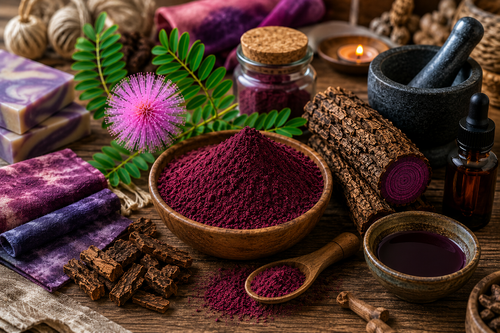
The bark comes from Mimosa tenuiflora, a fast-growing tree of South and Central America. Locals know it as jurema preta or tepezcohuite. It survives drought and poor soil with ease. Its real value sits in the root bark. This layer stores dense tannins and natural colorants. Once harvested and dried, it grinds into a fine, rust-colored powder.
Many craft buyers look for mimosa bark specifically for its reliable color payoff. The pigment strength sets it apart from many other plant-based options.
Why Artisans Keep Coming Back to It
Several qualities explain its lasting popularity. The bark offers strong color, versatility, and a long shelf life. It also carries deep cultural significance. These traits make it useful across multiple crafts. Dyers, soapers, and balm makers all find a place for it. Few single ingredients work across so many projects.
The Pigment Power Behind Textile Dyeing
Color is the headline feature for most users. The bark releases warm, earthy tones into water with minimal effort. Results depend heavily on your materials and process.
Factors That Shape Your Final Color
No two dye batches look identical. Several variables steer the outcome:
- Fiber type: Wool and silk absorb pigment strongly
- Mordant choice: Alum, iron, and others shift tones
- Water pH: Alkaline water leans purple
- Concentration: More powder means deeper color
Testing on scraps saves you from surprises. Keep notes so you can repeat a favorite shade.
A Simple Process Overview
Simmer the powder gently to draw out color. Strain the bark from the liquid. Submerge prepared fabric and let it soak. Time and temperature build the depth. Rinse and dry once you reach your target shade.
Handmade Soap and Skincare Applications
Cold-process soap makers value this bark for color and heritage. It adds a natural brown to tan tone without synthetics. The tannins also appeal to formulators seeking plant-based astringents. Balm and mask makers blend it into earthy formulas. A small amount goes far thanks to its pigment density. Always patch test and use cosmetic-grade powder only.
Reliable suppliers will confirm the grade before sale. When in doubt, ask questions before you buy 1kg of MHRB for skincare work.
How to Spot Premium Root Bark
Quality varies widely between sellers. A few checks help you avoid weak or stale stock.
Look at the Color
Vivid reddish-brown signals fresh, potent bark. Faded or gray powder often means age or poor storage. Color intensity tracks closely with pigment strength.
Check the Source Layer
Inner root bark holds the richest compounds. Premium powder uses this layer, not the outer bark. Good listings state this clearly.
Mind the Grind
Finer powder releases color quickly and evenly. Coarser cuts work but need longer extraction. Match the grind to your method.
Storing Your Powder for Maximum Life
Good storage protects your investment. Air, light, heat, and moisture all degrade the bark. Use an airtight container or sealed bag and keep it in a cool, dark spot. Under these conditions, the powder stays strong for a year or beyond.
Practical Advice for New Buyers
Beginners should ease in with a modest order. Test the quality and learn the process first. Once confident, many choose to buy in larger quantities for steady project supply. Vet each seller on transparency and reviews. Trusted sellers detail origin, layer, and grind. Vague listings are a warning sign worth heeding.
Frequently Asked Questions
What is mimosa hostilis root bark mainly used for?
Where legally permitted, it is used for natural fabric dyeing and handmade cosmetics like soap and balms. Its pigments and tannins make it valuable for both crafts.
How is mimosa bark different from the whole plant?
The root bark holds far more pigment and tannins than other parts. That concentration is why crafters specifically seek the root bark.
Will the powder stain my hands and tools?
Yes, the strong color can stain skin, fabric, and surfaces easily. Use gloves and cover your workspace during use.
What mordants work best with this bark?
Alum gives bright, true results, while iron deepens and shifts tones. Your choice depends on the color you want.
How long does the powder stay usable?
Stored airtight in a cool, dark place, it lasts a year or more. Exposure to moisture and light shortens that lifespan.
What should I check before buying?
Confirm color, bark layer, grind, and supplier transparency. A trustworthy seller shares all of these details openly.
Wrapping Up
Mimosa hostilis root bark rewards crafters with rich color and dependable performance where its use is legally permitted. Its versatility across dyeing and skincare makes it a worthwhile addition to any natural toolkit. Source fresh, store smart, and test as you go for consistent results.
Disclaimer: The information on MedicalResearch.com is provided for educational purposes only, and is in no way intended to diagnose, cure, or treat any medical or other condition. Opinions expressed are those of the Contributing Writer and do not represent the views of MedicalResearch.com or Eminent Domains Inc. Some links are sponsored. Products, services and providers are not warranted or endorsed by MedicalResearch.com or Eminent Domains Inc. MedicalResearch.com does not endorse or encourage any illegal activity. Readers are solely responsible for ensuring compliance with all applicable laws in their jurisdiction. Always seek the advice of your physician or other qualified health provider and ask your doctor any questions you may have regarding a medical condition. In addition to all other limitations and disclaimers in this agreement, service provider and its third party providers disclaim any liability or loss in connection with the content provided on this website.
Last Updated on June 22, 2026 by Marie Benz MD FAAD