#NursePractitioner Tag

Editorial Notice: This article is for general information and is not legal, regulatory or compliance advice. Collaboration and supervision requirements for nurse practitioners and physician assistants vary by state and change over time; confirm current rules with your state licensing board and qualified counsel. Services and companies named or linked in this article are not warranted or endorsed by MedicalResearch.com or Eminent Domains Inc.

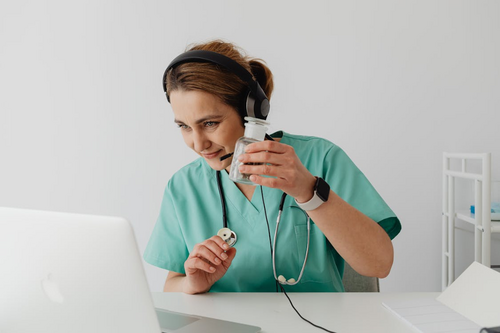
For many nurse practitioners, physician assistants, telehealth operators, and other healthcare business owners, finding a collaborating physician is not a one-time hiring task. The right relationship can support compliant practice operations, strengthen clinical decision-making, and provide dependable access to physician oversight as patient volume changes.

The wrong arrangement can create delays, unclear responsibilities, and unnecessary risk. A physician who is difficult to reach or unfamiliar with your practice model may leave your team without the timely support it needs.

Editorial Notice: This post is for general information only. Nursing education programs, accreditation, and licensure requirements vary by state and country. Before enrolling, confirm a program's accreditation and whether it meets the licensing requirements where you plan to work. Programs named or linked in this post are not warranted or endorsed by MedicalResearch.com or Eminent Domains Inc.

A career change can start with a simple realization: the work you trained for no longer feels like the right fit. Whatever your background, nursing may offer a different way to use your skills while contributing directly to patient care.

The challenge is finding a route into the profession without starting the entire educational journey from scratch.

A nurse practitioner who opens a clinic faces a question that research rarely settles for her. Who reviews her clinical work, and how often? States answer that question differently, so clinics end up with very different oversight habits. Medspas, infusion centers, and telehealth practices show the gap clearly.

Physicians see this gap in their own referral patterns and chart reviews. Many outpatient clinics now rely on outside physicians for oversight instead of in-house staff.

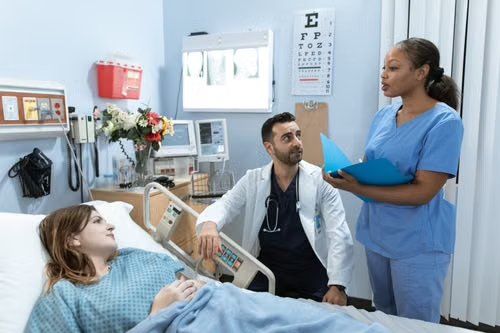
[caption id="attachment_76629" align="aligncenter" width="500"]Doctors and nurse discussing patient’s treatment Photo by RDNE Stock project via Pexels[/caption]

Editorial Notice: Preceptor-matching services mentioned or linked here are not warranted or endorsed by MedicalResearch.com or Eminent Domains Inc. Always confirm placement requirements, fees, and cancellation policies with your nursing program and the service before paying.

NP students often encounter a situation where a clinical term can transform a normal search process into a crisis. This happens when a nurse practitioner student needs a particular specialty, has school paperwork to prepare, and has a limited amount of time to secure hours. At these times, the question isn't, which matching service has the most features? It's, which one can get a student from 'possible' to 'confirmed' in time? [caption id="attachment_76489" align="aligncenter" width="500"]Clinical Match Me Alternative for NP Students Nurse practitioner clinical placement planning[/caption]

[caption id="attachment_73784" align="aligncenter" width="500"]Long-Term Mental Wellness Needs Source[/caption]

How Modern Healthcare Is Redefining Emotional Wellness Support

Modern healthcare is finally starting to acknowledge something people have quietly felt for years. Emotional wellness cannot realistically be handled through rushed appointments and short-term crisis conversations alone. Stress, burnout, anxiety, emotional fatigue, and long-term mental strain rarely disappear after one visit or one difficult week. People carry pressure from work, family routines, financial concerns, social expectations, and nonstop digital stimulation every single day, which means emotional wellness support now needs to function much more consistently within healthcare systems instead of appearing only during emergencies. The conversation around mental wellness changed because people increasingly want support that feels ongoing, practical, and connected to everyday life rather than isolated treatment moments separated by long gaps in care. Healthcare systems are adapting because emotional wellness has become impossible to separate from long-term physical health, work performance, sleep quality, relationships, and overall daily functioning. Hospitals, clinics, wellness programs, and healthcare providers are creating models focused more heavily on communication, consistency, and patient support over time.