#OlderAdults Tag

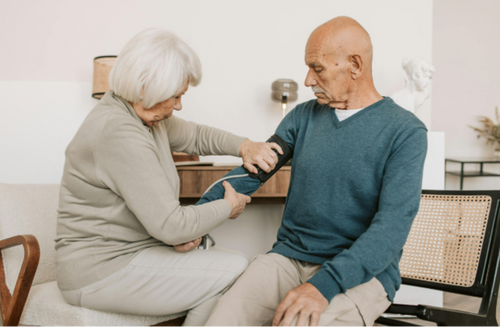
[caption id="attachment_74377" align="aligncenter" width="500"]life-after-stroke.png Image Source[/caption]

What Stroke Recovery Really Looks Like for Older Adults

For many older adults, a stroke marks the beginning of a new chapter filled with uncertainty. One day, routine activities such as walking around the house, preparing a meal, or chatting with family may feel effortless. The next day, those same tasks can require patience, support, and practice. While emergency treatment often receives the most attention, stroke recovery continues long after a person leaves the hospital.

Families frequently expect a clear timeline for improvement, but stroke recovery rarely follows a predictable path. Some older adults regain skills quickly, while others face ongoing challenges that affect movement, thinking, swallowing, or communication. Understanding what recovery truly looks like can help survivors and caregivers prepare for the road ahead and recognize progress when it happens.

MedicalResearch.com Interview with: [caption id="attachment_74329" align="alignleft" width="150"]Chun Sing (Jason) Lam, PhDPostdoctoral Research Fellow Integrative Medicine and Wellness Service Department of Medicine Memorial Sloan Kettering Cancer Center Chun Sing Lam, PhD[/caption] Chun Sing (Jason) Lam, PhD Postdoctoral Research Fellow Integrative Medicine and Wellness Service Department of Medicine Memorial Sloan Kettering Cancer Center MedicalResearch.com: What is the background for this study? What are the main supplements utilized by Americans? Response: Dietary supplement use is very common among U.S. adults, but patterns of use have changed substantially over time. The supplement market has expanded, with many products now marketed for different uses. But long-term national data are limited. In this study, we analyzed 25 years of nationally representative data from the National Health and Nutrition Examination Survey, from 1999 through August 2023, including 63,442 U.S. adults. Overall supplement use increased from about 51% of U.S. adults in 1999–2000 to about 60% in 2021–2023. Use of four or more supplements also increased, from 8.8% to 15%. One notable finding was that multivitamin/multimineral use declined modestly while use of individual vitamins, minerals, and specialty supplements increased. One important finding was the increase among older adults. Supplement use among adults aged 65 years and older increased from about 62% to 78%, which was the largest increase among demographic subgroups. Notable increases were seen for vitamin D, zinc, vitamin K, biotin, vitamin B12, and omega-3. Emerging trends were also seen for non-vitamin non-mineral supplements such as turmeric/curcumin, probiotics/prebiotics, collagen, elderberry, ashwagandha, and hyaluronic acid. These trends likely reflect growing consumer interest in immune support, gut health, and skin and joint health.