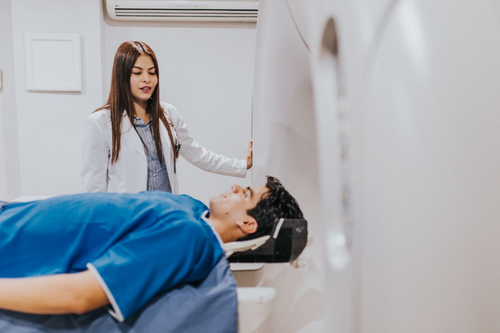
Clinical knowledge remains at the center of training, but healthcare organizations are focusing more on another part of care that patients remember long after appointments end. A patient may not recall every medical term discussed during a visit, yet they often remember whether someone listened carefully, explained things clearly, or helped them feel comfortable during an uncertain moment. Experiences like those are becoming increasingly important in conversations about healthcare quality. Graduate healthcare programs are responding to this reality. Future healthcare leaders are being prepared to think about patient care as a combination of clinical expertise, communication, engagement, and system-wide coordination. Healthcare is no longer viewed solely through the lens of diagnosis and treatment. Educational programs are exploring how interactions, decision-making processes, and organizational practices influence the way patients experience care. Focus on Patient Experience

Source

[caption id="attachment_73799" align="aligncenter" width="500"]Accelerated Counseling Programs.jpg Image Source<[/caption]

What Makes Accelerated Counseling Programs Work for Today's Students

You tell yourself you will go back to school when things calm down, but they rarely do. Work stays busy, bills do not wait, and the idea of spending several years studying full-time feels harder to justify the longer you think about it. It is not a lack of interest. It is more about timing, and how little space there is to pause everything else. That is where shorter, more focused programs start to make sense for some people. Counseling, in particular, draws people who are often already working or managing other responsibilities.