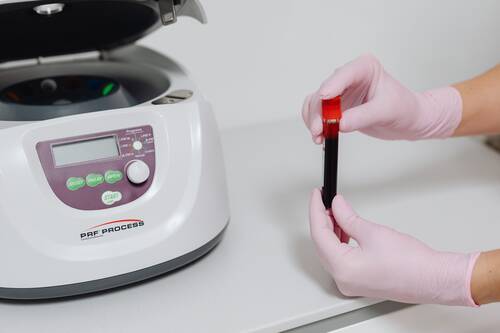
01 Oct What to Know Before Choosing PRP for Knee Pain
When PRP injections make sense for knee pain, what the research shows, how rehabilitation fits in, and questions to ask before treatment. ...

When PRP injections make sense for knee pain, what the research shows, how rehabilitation fits in, and questions to ask before treatment. ...

Most of us deal with occasional back stiffness and assume it'll go away on its own — whether it comes from a long drive, a poor night's sleep, or overdoing it during a workout. That assumption is often right. But backs don't always follow the script, and pain that should fade in a few days can instead linger, spread, or start showing up in ways that feel different from before.
If you're in the Deptford, New Jersey area and you've noticed your back pain becoming more frequent, sticking around longer than it used to, or starting to interfere with everyday things like sitting through a workday, sleeping through the night, or keeping up with your kids, it may be pointing to something more than routine strain. The tricky part is that these changes are often gradual, which makes them easy to explain away one at a time even as the overall pattern shifts. Here are six signs that your back pain may be more than the average ache or temporary discomfort.
[caption id="attachment_74922" align="aligncenter" width="500"] Photo by Kindel Media[/caption]

Hip pain has a sneaky way of shrinking your world. It starts with small compromises — skipping a long walk or avoiding the stairs when you can — and slowly turns into missed weekend plans, shorter shopping trips, and evenings spent watching everyone else stay active. For adults across Glasgow and the wider Scotland area, this quiet loss of freedom is often what finally pushes them to consider hip replacement surgery.
The good news is that modern hip replacement has come a long way. Recovery is faster, techniques are more precise, and the return to everyday life feels less like a big medical event and more like getting your normal back. Here are the everyday things patients look forward to enjoying again once they finally take that step.

MedicalResearch.com Interview with:
[caption id="attachment_74870" align="alignleft" width="100"] Dr. Marwin[/caption]
Victor Marwin, M.D. Vero Orthopaedics 3955 Indian River Blvd, Vero Beach, FL 32960 Responses provided on behalf of Sonex Health (sonexhealth.com)
Dr. Marwin: The MISSION registry is the largest ever prospective, multicenter study that is collecting real-world outcomes of patients suffering from carpal tunnel syndrome (CTS). More specifically, it looks at patients with CTS who are treated with an ultrasound-guided carpal tunnel release (UGCTR) procedure using Sonex Health's commercially available device, UltraGuideCTR, endoscopic carpal tunnel release (ECTR), or open carpal tunnel release (OCTR) in routine clinical practice in the United States. The goal of the MISSION registry is to compare symptom relief, functional outcomes, pain, quality of life, and patient satisfaction among the different procedural approaches to treat carpal tunnel syndrome.
CTS is one of the most frequently reported occupational injuries and the second leading cause of lost work time. In fact, it typically leads to more lost days per claim than almost any other work-related injury. Common symptoms include severe wrist and/or hand pain, numbness and tingling, making simple tasks including typing or gripping tools nearly impossible without treatment. People who work in jobs requiring repetitive hand use, forceful gripping, and vibrating tools are at greatest risk, including those in manufacturing and assembly, construction and mechanical, office and tech, beauty and healthcare, and food service and processing. Related research on carpal tunnel procedures performed in the office setting has previously been covered on MedicalResearch.com.