Pain Research / 05.04.2026

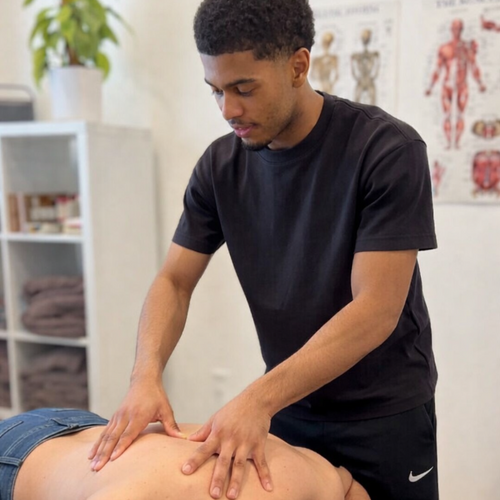
ashton-performing-treatment-at-specific-physiotherapy-preston_1.png Billy Gilhooley is a physiotherapist based in Melbourne and director of Specific Physiotherapy Preston. He takes a hands-on, targeted approach to treatment, focusing on identifying the exact cause of pain and helping patients achieve long-term results rather than short-term relief. If you’ve ever had something “fix” your pain… only for it to creep back in a few weeks later, you’ll know how frustrating it can be. A lot of people I see say the same thing — it felt better for a bit, then it slowly returned. Sometimes worse. Sometimes just enough to be annoying again. It’s incredibly common, especially with things like neck stiffness, lower back pain, or injuries that never quite seem to fully settle. And over time, it starts to feel like you’re just managing it rather than actually fixing it.

The cycle most people get stuck in

What usually happens looks something like this:
  • Something flares up
  • You rest it, stretch it, or get some treatment
  • It settles down
  • You get back to normal
  • Then it comes back again
That cycle can go on for months… sometimes years. The problem isn’t that nothing is working — it’s that the real cause hasn’t been properly addressed.
Author Interviews, PT-Rehabilitation / 17.11.2025

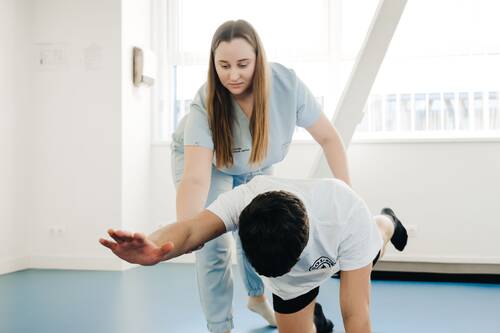
[caption id="attachment_71457" align="aligncenter" width="500"]physiotherapy-physical-therapy-pt Source Photo by Pixabay[/caption] If you’ve recently undergone surgery, whether orthopedic, abdominal, or postpartum, post-surgery physiotherapy can mean the difference between lingering pain and a full, confident return to daily life or sport. At Form Recovery & Wellness, we’ve worked with hundreds of patients post-ACL reconstruction, shoulder repairs, spinal surgery, and C-sections—building patient-centric based rehab plans that accelerate healing and reduce complications. This article outlines the four primary phases of physiotherapy post-surgery, how each stage contributes to optimal recovery, and what patients should expect. For those recovering in Thailand, Form Recovery & Wellness provides internationally trained physiotherapists with extensive experience in post-operative rehabilitation. Their patient-centered approach ensures that treatment is tailored, data-driven, and aligned with global best practices. Phase 1: Immediate Recovery (Days 1–14) Goal: Reduce swelling, protect the surgical site, and initiate gentle movement. In the first two weeks, physiotherapy interventions are focused on minimizing inflammation, activating surrounding muscles, and preventing stiffness or compensation patterns.
Pain Research, PT-Rehabilitation / 07.02.2025

[caption id="attachment_66432" align="aligncenter" width="500"]physiotherapy-in-sydney.jpg Photo courtesy of Pexels[/caption] An important aspect of medicine a variety of physiotherapy treatments put to use in today’s world. It has historically been proven to help restore movement and function while reducing pain in targeted areas. When it comes to the realm of rehabilitation for the body, physiotherapy is essentially always a part of the process. Another reason why it’s so popular is that it’s non-invasive, and can take a diverse approach to treatment options. This article discusses the different types of physiotherapy treatments and what makes them so useful.

The Range of Physiotherapy Treatments

In most cases, physiotherapy encompasses a broad range of unique medical specialties. This can include orthopedics or cardiopulmonary and neurological treatment options. A focus on musculoskeletal care is also really important here. Physiotherapy is also something that can be applied to essentially any age group. Whether it’s an everyday accident or something stemming from sports, there are numerous types of physiotherapy treatments.