Author Interviews, PT-Rehabilitation / 17.11.2025

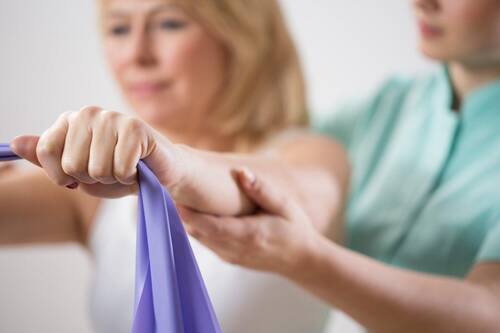
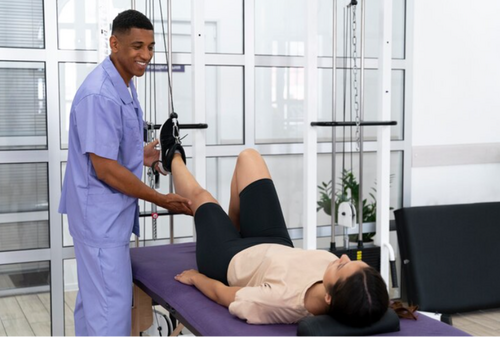
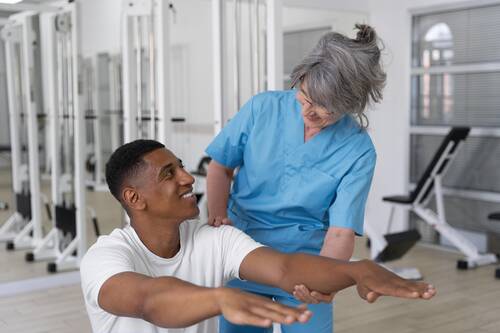
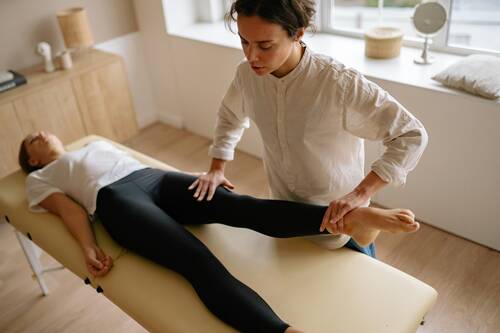
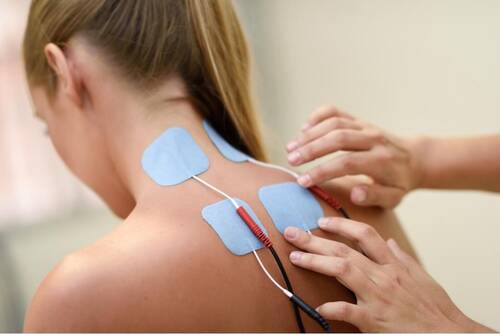
[caption id="attachment_71457" align="aligncenter" width="500"]physiotherapy-physical-therapy-pt Source Photo by Pixabay[/caption] If you’ve recently undergone surgery, whether orthopedic, abdominal, or postpartum, post-surgery physiotherapy can mean the difference between lingering pain and a full, confident return to daily life or sport. At Form Recovery & Wellness, we’ve worked with hundreds of patients post-ACL reconstruction, shoulder repairs, spinal surgery, and C-sections—building patient-centric based rehab plans that accelerate healing and reduce complications. This article outlines the four primary phases of physiotherapy post-surgery, how each stage contributes to optimal recovery, and what patients should expect. For those recovering in Thailand, Form Recovery & Wellness provides internationally trained physiotherapists with extensive experience in post-operative rehabilitation. Their patient-centered approach ensures that treatment is tailored, data-driven, and aligned with global best practices. Phase 1: Immediate Recovery (Days 1–14) Goal: Reduce swelling, protect the surgical site, and initiate gentle movement. In the first two weeks, physiotherapy interventions are focused on minimizing inflammation, activating surrounding muscles, and preventing stiffness or compensation patterns.
Author Interviews, Orthopedics, PT-Rehabilitation / 03.11.2025

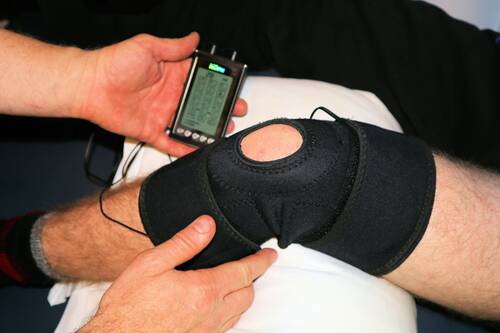
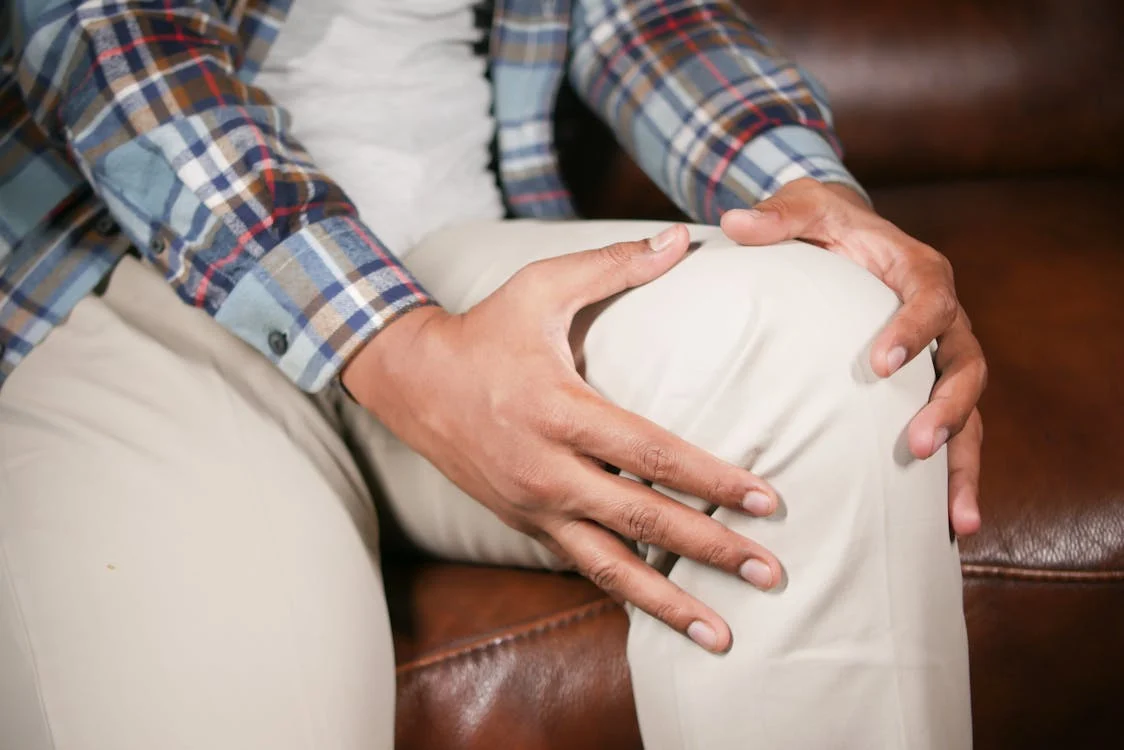
Rehab a Knee Replacement at Home Recovering from knee replacement surgery is a big milestone, but what comes after can feel just as important as the procedure itself. The good news is that with a little structure and patience, you can do most of your rehab right at home. Each day gives you a chance to rebuild strength, confidence, and independence. This guide will walk you through the key parts of recovery, from setting up your space to easing back into exercise and keeping your spirits high.

Your Recovery Timeline

The first thing to remember is that healing takes time. Every person’s journey is a little different, but most recoveries follow a general pattern. In the first two weeks, your focus is on rest, pain control, and gentle movement. You’ll be icing the knee often, taking short walks, and practicing very light exercises that help prevent stiffness and blood clots. By weeks three to six, you’ll notice your strength starting to return. The swelling begins to go down, and you can move around more freely. This is when you start increasing your activity level and expanding your exercise routine. Beyond six weeks, you’ll likely feel more independent. You might still use a cane or walker, but you’ll be walking farther and feeling more stable. Full recovery can take several months, but progress happens every week. Be sure to follow your doctor's recommendations and report any unusual symptoms for your health care provider's advice. If you ever notice unusual swelling, warmth, redness, sharp pain, or a fever, contact your doctor right away. These may be signs that something needs attention.
Author Interviews, Orthopedics, Pediatrics, PT-Rehabilitation / 20.10.2025

[caption id="attachment_71041" align="alignleft" width="200"]chris-church Chris Church[/caption] MedicalResearch.com Interview with: Chris Church MPT Director, Gait & Motion Analysis Laboratory Nemours duPont Hospital for Children MedicalResearch.com: What is the background for this study? Would you briefly describe the condition of clubfoot and arthrogryposis? Response: Clubfoot is a congenital foot deformity in which the child is born with their foot (or feet) are stiff and in position with the foot pointing down (equinus) and in (inverted).  Idiopathic clubfoot is a condition in which these children only have issues with their feet.  Arthrogryposis is a condition in which children have contractures in multiple parts of their body.  Children with Arthrogryposis often have clubfeet that are tighter and more difficult to treat than the more common idiopathic type. Idiopathic clubfoot is effectively corrected with a conservative treatment known as the Ponseti method. Recent studies have shown successful short-term correction using Ponseti treatment in the stiffer clubfoot associated with arthrogryposis, but there are few studies analyzing long-term results. This study compares outcomes of the Ponseti method in 10-year-old children with idiopathic clubfoot and clubfoot associated with arthrogryposis. MedicalResearch.com: Would you describe the Ponseti method? Does it require specialized or complicated training to implement treatment? Response: Clubfoot was treated with surgery in the past.  Now we use a more conservative treatment that is provided by pediatric orthopedic surgeons and physical therapists.  The Ponseti method involved serial casting in infancy, Achillies tenotomies, and prolonged use of bracing during sleep until age 5 years. [caption id="attachment_71050" align="alignleft" width="300"]ClubfootNemours Image Clubfoot
Nemours Image[/caption] [caption id="attachment_71051" align="alignleft" width="300"]Clubfoot Nemours Image Clubfoot
Nemours Image[/caption]            
PT-Rehabilitation / 20.06.2025

How Physical Therapy Clinics Are Using Technology Modern rehab is getting a major upgrade, and South Florida physical therapy clinics are leading the way. By promoting recovery with advanced tools and smart systems, therapists are helping patients bounce back faster and with more precision. Whether you’ve had surgery, a sports injury, or chronic pain, the right technology can make the process smoother. From wearables to apps, let’s take a closer look at how technology is making physical therapy more effective than ever before.
Exercise - Fitness, PT-Rehabilitation / 18.03.2025

[caption id="attachment_67252" align="aligncenter" width="500"]athletes-overcoming-sprains Image source[/caption]   Recovering from a sprain or fracture can feel slow and frustrating. Yet some athletes heal much faster. What gives them an edge? Is it better training, recovery strategies, or something else? Many factors affect how quickly the body repairs itself after an injury. In cities with strong sports communities, such as Denver, athletes benefit from advanced recovery programs designed to accelerate healing. Denver sports therapy clinics help them regain strength and mobility through targeted rehabilitation.  In this article, we’ll discuss how proper recovery techniques promote recovery and lower the chance of future injuries.
Pain Research, PT-Rehabilitation / 07.02.2025

[caption id="attachment_66432" align="aligncenter" width="500"]physiotherapy-in-sydney.jpg Photo courtesy of Pexels[/caption] An important aspect of medicine a variety of physiotherapy treatments put to use in today’s world. It has historically been proven to help restore movement and function while reducing pain in targeted areas. When it comes to the realm of rehabilitation for the body, physiotherapy is essentially always a part of the process. Another reason why it’s so popular is that it’s non-invasive, and can take a diverse approach to treatment options. This article discusses the different types of physiotherapy treatments and what makes them so useful.

The Range of Physiotherapy Treatments

In most cases, physiotherapy encompasses a broad range of unique medical specialties. This can include orthopedics or cardiopulmonary and neurological treatment options. A focus on musculoskeletal care is also really important here. Physiotherapy is also something that can be applied to essentially any age group. Whether it’s an everyday accident or something stemming from sports, there are numerous types of physiotherapy treatments.
Pain Research, PT-Rehabilitation / 17.01.2025

Are you struggling with chronic pain? You're not alone. Approximately 21% of Americans have experienced chronic pain in the last year. Of those, 1 in 5 will be prescribed pain medications. For those seeking relief, exploring options like physical therapy near Troy can be a great alternative to medications. [caption id="attachment_65971" align="aligncenter" width="500"]physical-therapy-pain-management Photo Credit: Freepik [/caption] Commonly prescribed Pain medications include NSAIDS, Opioids, Anticonvulsants, and corticosteroids. Most of these drugs have side effects that can range from stomach aches to addiction and death. On top of this, most drugs only treat the symptoms without addressing the root cause of the problem. This means many patients do not recover completely.
PT-Rehabilitation / 10.10.2024

  [caption id="attachment_63894" align="aligncenter" width="500"]prosthesis-woman-walking_pexels Source[/caption] Adopting an active lifestyle after limb loss is a testament to human resilience and the power of adaptation. While the initial challenges may seem daunting, embracing an active lifestyle is not only possible but also incredibly beneficial for both physical and mental well-being.   This article serves as a guide and source of inspiration for individuals navigating the path to an active life with a prosthesis. We'll delve into various tips, strategies, and even touch upon resources like "prosthetic companies near me" that can empower you to overcome obstacles, set achievable goals, and rediscover the joy of movement. Whether you're a seasoned athlete or simply looking to incorporate more physical activity into your daily routine, this article will provide you with valuable insights and motivation to embrace an active lifestyle.
PT-Rehabilitation / 16.09.2024

Introduction

Shoulder tendonitis is a common problem that causes pain and stiffness in the shoulder. It often happens when the tendons in your shoulder get overused or irritated. Everyday activities like lifting, reaching, or playing sports can lead to tendonitis. If left untreated, it can get worse over time and limit your ability to move your arm. [caption id="attachment_63328" align="aligncenter" width="333"]shoulder_pexels-ron-lach-8626076 Source[/caption] Physical therapy is one of the best ways to heal shoulder tendonitis. It helps reduce pain, improve movement, and strengthen the muscles around the shoulder. With the right exercises and treatment, physical therapy can speed up recovery and prevent the problem from coming back. In this guide, we’ll explain how physical therapy for shoulder tendonitis can help and what you can expect from treatment.
PT-Rehabilitation / 10.09.2024

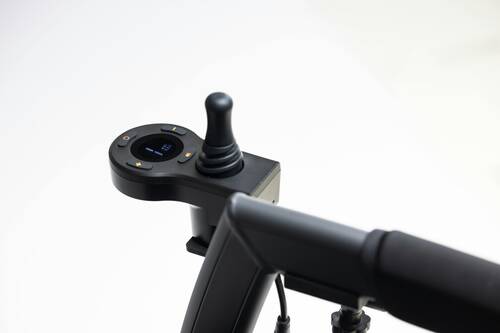
Mobility should never feel like a compromise. For many people, choosing the right powerchair can feel like navigating a maze, filled with countless options and features to consider. Whether buying your first one or upgrading from a manual chair, the decision is crucial. It's not just about getting from point A to point B—it’s about living life without limits, with comfort, independence, and style. Let’s break down some key factors that will help make an informed decision, ensuring your powerchair isn’t just a tool, but a companion in your day-to-day life. [caption id="attachment_63237" align="aligncenter" width="500"]motorized-wheelchair_pexels-rollz-20164650 Source[/caption]
PT-Rehabilitation, Social Issues, Telemedicine / 22.08.2024

Recovering from surgery or a significant injury is a journey that’s increasingly taking place in the comfort of home. The idea is simple but powerful: familiar surroundings, combined with the right tools and support, can significantly enhance the recovery process. Recent advancements in rehabilitation have made home care more effective than ever. From innovative mobility equipment to telehealth services that bring therapists into the living room, these trends are reshaping how we approach recovery. This post explores how these trends are making home care a more viable and often preferable option for those on the road to recovery.

The Rise of Home-Based Rehabilitation

Why Home Care is Gaining Popularity

The appeal of home-based recovery goes beyond comfort - it is also about the psychological benefits. Home is where people feel most relaxed and supported, which can accelerate the healing process. Studies have shown that lower stress levels, often experienced at home, contribute to faster recovery. The ability to maintain daily routines in a familiar environment provides both physical and emotional comfort, motivating patients to stick with their recovery plans.   [caption id="attachment_62920" align="aligncenter" width="936"]rehabilitation pixabay Image by Alexas_Fotos on Pixabay[/caption]

Impact of COVID-19 on Home Rehabilitation

The COVID-19 pandemic accelerated the shift towards home-based care. With hospitals under strain and concerns about exposure to the virus, many turned to home care as a safer option. This shift highlighted that with the right support and equipment, such as a rotating bed is a lifesaver for those with limited mobility, effective rehabilitation can indeed happen at home. Telehealth services have played a crucial role in this transition, allowing patients to consult with healthcare providers remotely. This not only reduces the risk of infection but also offers the flexibility to receive care at convenient times, making home recovery more accessible.
Orthopedics, PT-Rehabilitation / 31.07.2024

Orthopedic conditions, affecting bones, joints, muscles, and tendons, can significantly disrupt daily life and hinder physical function. While orthopedic surgery often plays a crucial role in addressing these issues, physiotherapy is equally vital in restoring mobility, reducing pain, and preventing future injuries. The combined expertise of orthopedic surgeons and physiotherapists is essential for optimal patient outcomes.

Orthopedic Treatment

Modern orthopedic care encompasses a wide range of surgical and non-surgical interventions tailored to specific conditions. From minimally invasive arthroscopic procedures to complex joint replacements, orthopedic surgeons employ advanced techniques to address musculoskeletal problems. For less severe cases, non-surgical options such as medications, injections, and physical therapy may be sufficient. Facilities like Modern Orthopaedics offer comprehensive orthopedic care, combining surgical expertise with rehabilitation services to provide patients with a seamless treatment journey.
Orthopedics, PT-Rehabilitation / 02.07.2024

[caption id="attachment_62153" align="alignleft" width="200"] Image Source[/caption] Imagine lifting a heavy box and suddenly feeling a sharp pain in your shoulder. This scenario is all too common. It’s not just the athletes who suffer from shoulder issues—everyday activities like gardening, cleaning, or even sleeping in an awkward position can lead to shoulder problems. Understanding these injuries and their treatments can make a big difference in recovery. Shoulder injuries are often overlooked until they become severe, causing discomfort and limiting mobility. This article aims to provide an overview of common shoulder injuries, their causes, symptoms, and available treatments. Whether you're dealing with a nagging pain or a sudden injury, this guide will help you navigate the path to recovery. Understanding Shoulder Anatomy The shoulder is a highly flexible joint, allowing for a wide range of motion, which unfortunately makes it susceptible to injuries. It comprises bones, muscles, tendons, and ligaments that work in unison to maintain stability and enable movement. The shoulder's intricate design facilitates various movements but also increases its vulnerability to different types of injuries. Key components of the shoulder include the humerus (the upper arm bone), the scapula (the shoulder blade), and the clavicle (the collarbone). These structures are interconnected by muscles and tendons, forming a ball-and-socket joint that supports extensive movement. While this flexibility is advantageous, it also means the shoulder is at risk for injuries due to overuse, trauma, or incorrect movements.
Addiction, PT-Rehabilitation / 07.06.2024

Rehab is an important part of recovery for many people and a major part of how you can overcome addiction comfortably. However, with so many different rehab centers to choose from, it can actually be quite stressful trying to pick out the right one for your situation and needs. With so many different rehab centers to consider, as well as specific kinds of rehab that they may or may not offer, it can be difficult to work out which one might be best for you. What should you look for when hunting down a potential rehabilitation center?

Cost and Budgeting

Naturally, the first thing you will want to take into consideration when deciding which rehab center to go to is the price. You will have to take a careful look at your budget and try to work out whether you can afford a rehab center based on its cost - there is no point pursuing a rehab center that you outright can't afford, after all. In addition, it is worth taking into account how long you might be spending at the rehabilitation center, and if the price is being paid in lump sums or monthly payments. While a high up-front cost might not seem ideal, you will often find that rehab is more affordable this way if it is being offered, but this depends entirely on your situation.