
15 Sep Does Insurance Cover PRP Injections? What Medicare and Private Plans Actually Pay For
Notice: This post is provided for background information only. Consult your healthcare provider for specific medical advice regarding PRP therapy and your insurer directly for current coverage details, as policies vary by plan and can change.
You have a bad knee or a stubborn shoulder that will not heal. Your doctor mentions platelet-rich plasma, or PRP, as an option. Then you ask the one question that matters most: will insurance pay for it? For most people, the honest answer is no, and the reason is not random. It comes down to how Medicare and private insurers decide what counts as "proven" medicine. According to CMS (Centers for Medicare and Medicaid Services), Medicare covers PRP in only one narrow situation: chronic non-healing wounds in patients enrolled in an approved clinical research study — a policy that leaves the vast majority of patients seeking PRP for joint or tendon injuries without any coverage pathway.
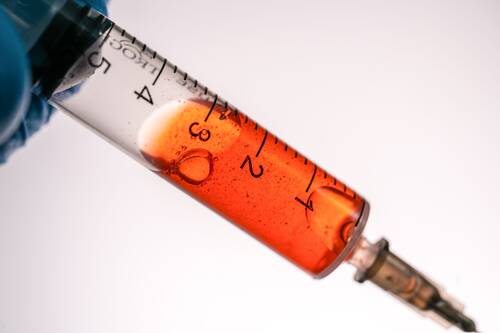
[caption id="attachment_76020" align="aligncenter" width="500"] Photo by Ivan S[/caption]