#restorativedentistry Tag

Infection control is one of the foundations of modern dentistry. Every patient expects treatment in an environment where strict hygiene standards are followed, and every dental practice depends on protocols that minimize the risk of cross-contamination. While sterilization equipment, personal protective equipment, and surface disinfection often receive the most attention, many of the smaller disposable products used during treatment also play an important role.

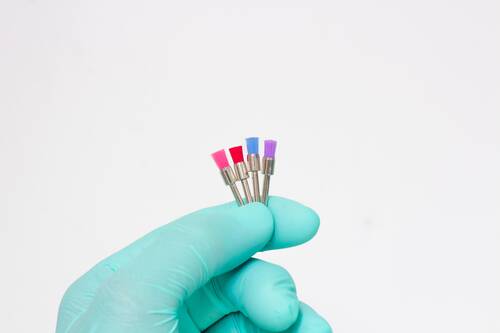
One example is the humble micro applicator brush. Although small and inexpensive, these single-use tools help clinicians apply materials accurately while supporting infection prevention protocols throughout a wide range of dental procedures. For a broader look at how dental sterilization protocols protect patients, see this overview of why dental tools must be sterilized after every use.

[caption id="attachment_74853" align="aligncenter" width="500"]dental- Micro Applicator Brushes Photo by Betsy Flores:[/caption]

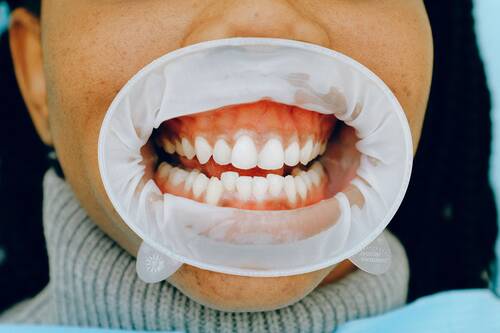
Full mouth reconstruction is planned care for people with several damaged, missing, infected, or heavily worn teeth. The aim is to restore chewing, speech, bite stability, and facial support while respecting gum and bone health. Treatment may include crowns, bridges, implants, periodontal therapy, root canal care, or bite correction. Before scheduling, patients should know how diagnosis, sequencing, healing, and maintenance shape the final outcome.

Advances in dental materials and digital planning have also changed what's possible — a shift explored in this overview of how new dental technologies are improving patient care and outcomes.

[caption id="attachment_74850" align="aligncenter" width="500"]full-mouth-reconstruction-pexels Photo by Anna Shvets[/caption]

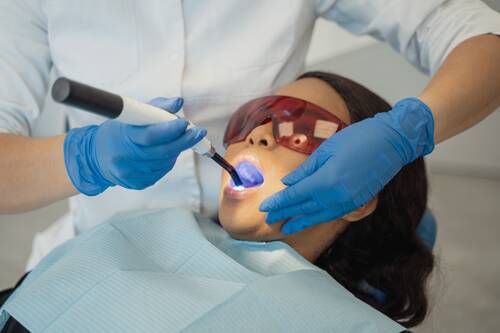
A well-chosen dental curing light is more than just another piece of equipment; it plays a direct role in the quality, durability, and efficiency of restorative treatments. Whether placing composite fillings, bonding veneers, or cementing crowns, clinicians rely on consistent light output to achieve predictable results. Investing in the right device can improve clinical outcomes, streamline workflows, and enhance patient satisfaction.

Selecting the right curing light is part of a broader shift toward smarter, more patient-centered dental technology, a trend explored in depth in this overview of how new dental technologies are improving patient care and outcomes.

[caption id="attachment_74802" align="aligncenter" width="500"]choosing dental curing lights Photo by Tima Miroshnichenko[/caption]

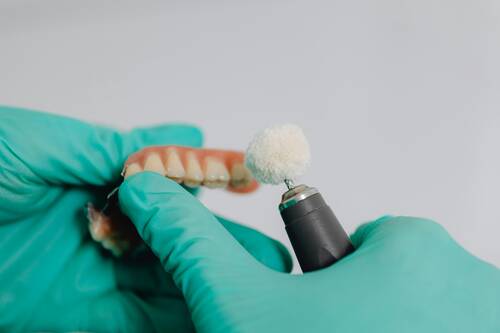
Restorative dentistry should be able to provide full mouth restorations to give the patients healthy and aesthetic smiles. When looking at all the instruments that are used by dental professionals, the dental polishers occupy a special place. These precision instruments are invaluable for fine-tuning restorations, increasing the durability of restorations as well as satisfying patients. [caption id="attachment_65797" align="aligncenter" width="500"]dental-polishers Image Source[/caption]

What Are Dental Polishers?

Dental polishers are specific instruments that are intended to refine and shape restorative constructive, such as filling, crowns, coves, and veneers. They are employed next to contouring and cutting instruments, for instance, carbide burs to form a smoother finish on the dental material. While carbide burs are essential for the initial preparation and shaping, dental polishers take the restoration process one step further by perfecting the surface. There are also hard and soft polishers such as rubber cups, diamond-coated discs, and silicone points depending on the change in restorative material and technique used. They can be modeled by a dentist into restorations that give not only an aesthetic appearance akin to natural teeth but also concealed and comfortable as well as being less retentive for plaque deposition.