
07 Jul Why Your Choice of Dental Curing Light Matters
A well-chosen dental curing light is more than just another piece of equipment; it plays a direct role in the quality, durability, and efficiency of restorative treatments. Whether placing composite fillings, bonding veneers, or cementing crowns, clinicians rely on consistent light output to achieve predictable results. Investing in the right device can improve clinical outcomes, streamline workflows, and enhance patient satisfaction.
Selecting the right curing light is part of a broader shift toward smarter, more patient-centered dental technology, a trend explored in depth in this overview of how new dental technologies are improving patient care and outcomes.
The Role of a Dental Curing Light
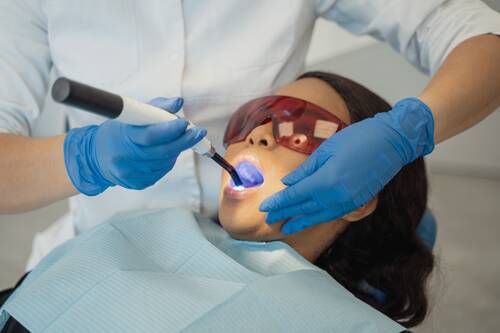
Dental curing lights are designed to harden light-activated dental materials through a process called polymerization. When exposed to the correct wavelength and intensity of blue light, composite resins and bonding agents transform from a soft, workable material into a durable restoration.
If this curing process is incomplete, restorations may not achieve their intended strength. This can increase the likelihood of wear, marginal leakage, discoloration, or premature failure. A reliable curing light helps ensure restorations reach the required level of hardness and long-term performance.
Why Light Quality Matters
Not all curing lights produce the same results. The effectiveness of a curing light depends on several factors, including light intensity, wavelength range, beam uniformity, and exposure consistency. A high-quality curing light delivers energy evenly across the restoration, reducing the risk of areas that remain under-cured.
This is especially important when working with larger restorations or modern composite materials that may require specific wavelengths for optimal curing, a technical consideration the American Dental Association addresses in its guidance on curing lights.
Consistent performance also allows clinicians to follow manufacturer recommendations with greater confidence, helping achieve more predictable treatment outcomes from patient to patient.
Better Restorations Mean Better Patient Outcomes
Patients may never notice the curing light itself, but they certainly notice the results. A properly cured restoration is generally stronger, more resistant to fracture, and better able to withstand daily chewing forces. It is also less likely to require early repairs or replacement, which benefits both the patient and the dental practice.
By selecting dependable equipment, dental professionals can minimize avoidable complications and provide restorations designed to last for many years with proper care.
Improving Clinical Efficiency
Modern dental practices value efficiency without compromising quality. Advanced curing lights are designed with features that support faster, smoother procedures while maintaining effective polymerization.
Many newer models include multiple curing modes for different procedures, cordless operation for improved mobility, lightweight ergonomic designs, high-capacity rechargeable batteries, and digital timers for consistent exposure times.
These features help reduce interruptions during appointments while making the device more comfortable to use throughout a busy clinical day.
Choosing Equipment That Matches Your Practice
Every dental practice has different needs depending on the procedures performed and patient volume. General practices may prioritize versatility and ease of use, while cosmetic or restorative clinics may place greater emphasis on curing performance across a wider range of composite materials.
Factors such as beam profile, curing tip size, battery life, maintenance requirements, and overall reliability should all be considered before purchasing. Rather than focusing solely on price, it is often more valuable to assess long-term performance and durability. A dependable curing light can reduce maintenance costs, minimize downtime, and contribute to more consistent clinical results over its lifespan.
If you’re researching available options, reviewing the Top 10 Dental Curing Lights can provide a useful starting point for comparing features and identifying models suited to your practice.
Supporting Long-Term Value
A quality curing light represents an investment in both patient care and practice success. Reliable equipment can reduce the likelihood of restoration failures, improve workflow efficiency, and increase confidence during restorative procedures.
Regular maintenance is equally important. Keeping the light guide clean, checking output periodically, replacing worn components when necessary, and following manufacturer recommendations all help ensure the device continues performing at its best over time. Even the highest-quality curing light cannot deliver consistent results if it is poorly maintained or used incorrectly.
Final Thoughts
The choice of dental curing light has a significant impact on restorative dentistry. From ensuring complete polymerization to improving efficiency and supporting long-lasting restorations, the right device contributes to better outcomes for both clinicians and patients.
By carefully evaluating performance, reliability, and ease of use, dental professionals can select equipment that supports consistent clinical excellence. While it may seem like a small part of the treatment process, a dependable curing light is one of the foundations of successful modern restorative dentistry.
Disclaimer: The information on MedicalResearch.com is provided for educational purposes only, and is in no way intended to diagnose, cure, or treat any medical or other condition. Some links are sponsored. Products, services and providers are not warranted or endorsed by MedicalResearch.com or Eminent Domains Inc. Always seek the advice of your physician or other qualified health provider and ask your doctor any questions you may have regarding a medical condition. In addition to all other limitations and disclaimers in this agreement, service provider and its third party providers disclaim any liability or loss in connection with the content provided on this website.
Last Updated on July 7, 2026 by Marie Benz MD FAAD