
16 Jul Optimizing Hospital Patient Flow Management: Real Impact of RTLS in Healthcare
Walk into almost any mid-sized or large hospital at two o'clock on a Tuesday afternoon. The scene is always the same. You have an empty bed sitting dirty on the third floor for four hours. Downstairs, the emergency department is backing up into the hallways; ambulances are waiting on the pad, and diversion clocks are ticking. This isn't just an inconvenience for the nursing supervisor. It is a massive, quiet bleed on your operating margin. Hospital administrators fight these invisible operational friction points daily, usually with blind spots that hide where the money is actually evaporating.
The physical reality on the floor is messy. Nurses spend twenty minutes of a shift digging through soiled utility rooms looking for working IV pumps. Patients sit in discharge lounges, coats on, waiting for a transport team that never got the dispatch page. Frontline clinicians are completely checked out due to severe dashboard fatigue. Bringing RTLS in healthcare onto the floor changes this dynamic by providing raw, continuous spatial visibility. It takes the guesswork out of daily logistics.
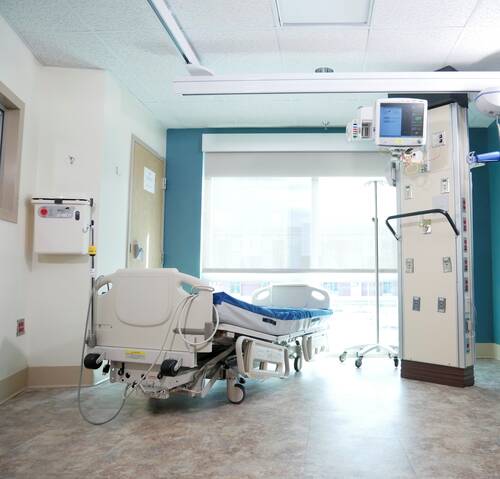
[caption id="attachment_75033" align="aligncenter" width="500"] Photo by Saulo Zayas[/caption]