
17 Oct 5 Common Medical Procedures for Treating Burns
Burn Safety Notice: For immediate first aid, cool a burn under cool (not ice-cold) running water for about 20 minutes, remove rings or tight items nearby, and cover it loosely with a clean, non-stick dressing. Do not apply ice, butter, oils or toothpaste, and do not break blisters. Call 911 or go to the emergency room for burns that are large, deep, white, leathery or charred; burns to the face, hands, feet, genitals or major joints; chemical or electrical burns; burns with smoke inhalation or difficulty breathing; and burns in infants, young children or older adults. Treatments described here are performed or prescribed by healthcare professionals. This post is for general information only. Providers linked in this post are not warranted or endorsed by MedicalResearch.com or Eminent Domains Inc.
Burns are among the most common types of injuries, as people are likely to sustain them anywhere. Exposure to flames or hot liquids in the kitchen, chemical substances at work, or extreme radiation can result in a burn injury. Most times, these events are unexpected and often cause severe bodily harm when multiple layers of the skin are affected.
Depending on the impact of the accident and severity of the injury, one can suffer a first, second, third, or fourth degree burn. The extent of damage mostly determines the treatment method that healthcare professionals use. Keep reading to learn about 5 effective medical procedures for treating burns.
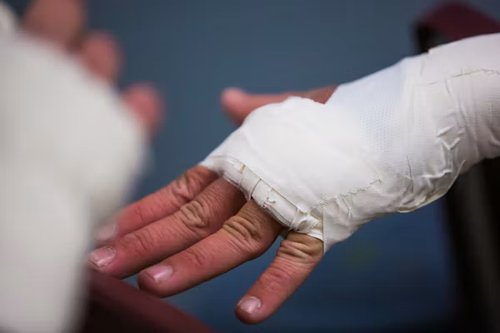
[caption id="attachment_76625" align="aligncenter" width="500"] Photo courtesy of Unsplash[/caption]