Wound Healing

Topical Product Safety Notice: Some topical plant extracts, including essential oils, can cause allergic reactions, skin sensitization, or worsen wound healing in certain individuals. Essential oils must always be diluted in a carrier oil before application and should never be applied undiluted to open wounds or broken skin. Discuss your use of all topical products — including essential oils, raw honey, and herbal preparations — with your healthcare provider before use, particularly if you have diabetes, poor circulation, neuropathy, or a compromised immune system. Stop use immediately and seek medical attention if any worsening of the wound, increased redness, swelling, pain, discharge, or other adverse reaction develops. These products are not substitutes for clinical wound care and are not FDA-approved for the treatment of any wound or medical condition. Natural remedies have been part of wound care for centuries, and plant-based options like essential oils continue to attract interest as accessible choices for minor wounds. Not every wound responds to natural remedies the same way, however, and that difference matters more than most people realize. In this article, we explore when essential oils support healing and when clinical wound care is the right and necessary course of action. [caption id="attachment_74591" align="aligncenter" width="500"]raw-honey-wound-care-pexels.jpg Photo by ROMAN ODINTSOV[/caption]

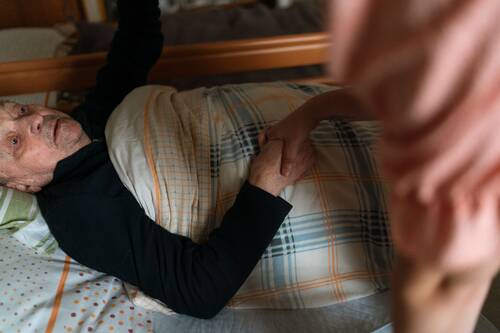
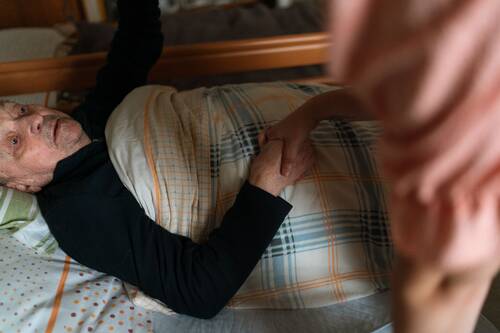
When a loved one develops a bedsore in a nursing home, the instinct is to focus on treatment. Families often miss a second and equally urgent reality: the injury is usually preventable, federal law requires facilities to prevent it, and missing the window to act legally can permanently close the door to accountability. Bedsores, also known as pressure ulcers or pressure injuries, are one of the most common signs that something might be off in nursing homes and long-term care places. They can be an indicator of potential neglect, even if no one says it out loud. nursing-home-bedsores-legal-rights Despite an estimated 4.5% of long-term nursing home patients in the United States, the recent historical records from the Centers for Disease Control and Prevention show that about 11% of nursing home patients had pressure ulcers, totaling approximately 159,000 patients in the whole nation. When a loved one enters a nursing home, family members expect their loved one to be taken care of. Unfortunately, according to Morgantown nursing home abuse lawyer Edmund L. Wagoner, Esq., due to systemic understaffing issues and stigma surrounding the level of care for elders, many face abuse and neglect in their daily lives. Understanding the law's requirements for nursing facilities and what your family can do when they are violated changes what is possible from here.

[caption id="attachment_73948" align="aligncenter" width="500"]hyperbaric-oxygen-wound-healing.png Pexels image[/caption] Got a wound that just won't heal? Stubborn wounds can be so aggravating. They linger for weeks (or months) and typical wound care doesn't seem to work. Here's the good news... Hyperbaric oxygen therapy (HBOT) ranks among today's most powerful healing modalities for chronic wounds. HBOT delivers 100% oxygen at high pressure throughout the body and the results can be astounding. Here's what's inside: What Is Hyperbaric Oxygen Therapy? How HBOT Helps Wounds Heal Wounds That Respond Best To Treatment What To Expect During A Session How Many Sessions Are Needed Possible Side Effects To Know About Let's jump in!