
30 Jun Natural vs. Clinical Wound Care: When Essential Oils Help, and When You Need a Specialist
Topical Product Safety Notice: Some topical plant extracts, including essential oils, can cause allergic reactions, skin sensitization, or worsen wound healing in certain individuals. Essential oils must always be diluted in a carrier oil before application and should never be applied undiluted to open wounds or broken skin. Discuss your use of all topical products — including essential oils, raw honey, and herbal preparations — with your healthcare provider before use, particularly if you have diabetes, poor circulation, neuropathy, or a compromised immune system. Stop use immediately and seek medical attention if any worsening of the wound, increased redness, swelling, pain, discharge, or other adverse reaction develops. These products are not substitutes for clinical wound care and are not FDA-approved for the treatment of any wound or medical condition.
Natural remedies have been part of wound care for centuries, and plant-based options like essential oils continue to attract interest as accessible choices for minor wounds. Not every wound responds to natural remedies the same way, however, and that difference matters more than most people realize.
In this article, we explore when essential oils support healing and when clinical wound care is the right and necessary course of action.
The Growing Interest in Natural Wound Care Remedies
Interest in natural wound care has grown alongside a broader shift toward plant-based approaches to health and wellness. Essential oils, raw honey, and herbal preparations have been valued across cultures for generations, not only for their accessibility but also for the documented antimicrobial and anti-inflammatory compounds many of them contain. Research has continued to examine the ways these natural agents interact with skin tissue and support the early stages of wound recovery.
For individuals managing minor wounds at home, understanding the role of natural remedies helps set realistic expectations about what these options can and cannot accomplish.
A superficial cut or mild skin irritation may respond well to a carefully applied natural agent, while a deeper or infected wound requires a level of clinical oversight that natural products alone cannot offer.
What Essential Oils Can and Cannot Do for Wounds
Essential oils are concentrated plant extracts obtained through steam distillation or cold pressing, and their potency is precisely what gives them both their appeal and their limitations in wound care. Because they are highly concentrated, they must be diluted with a carrier oil, such as coconut, jojoba, or almond oil, before being applied to the skin. Using undiluted essential oils on open wounds can cause irritation, chemical sensitization, or an allergic reaction that complicates the healing process rather than supporting it.
The renowned providers of wound care services at Inspiring Minds Wound Care emphasize to their patients that essential oils are not FDA-approved for the treatment of any medical condition, including wounds. This does not erase their value, but it does define the boundaries of appropriate use. Their antimicrobial and anti-inflammatory properties have relevance for minor, low-risk skin concerns, but these benefits do not extend to deep, chronic, or infected wounds where clinical-grade treatment is the appropriate standard of care.
Beyond wound care specifically, essential oils offer a range of well-being benefits that are worth recognizing in their own right. Lavender and chamomile are widely used in aromatherapy for their calming effects on stress and anxiety, while frankincense and rose are known to support emotional balance and an improved sense of mood.
Eucalyptus oil is commonly used to support respiratory comfort, and peppermint oil has been studied for its ability to relieve tension headaches through its natural muscle-relaxing and cooling properties.
These benefits place essential oils firmly in the category of complementary wellness tools rather than medical treatments, and using them with that understanding helps people get the most out of what they genuinely offer.
Essential Oils With Known Skin and Wound-Related Benefits
Several essential oils have been studied for their effects on skin health, and understanding what each one offers helps clarify when and how they may be appropriate for minor wound care. Each oil has a distinct chemical composition, which means their properties vary, and selecting the right oil for a specific skin concern is just as important as knowing how to apply it with care.
The following oils are among those most commonly associated with skin and wound-related benefits:
● Tea Tree Oil: Valued for its antimicrobial and anti-inflammatory properties; commonly used for minor skin infections, superficial cuts, and acne-prone skin
● Lavender Oil: Soothes irritated skin, reduces surface redness, and supports healing in minor cuts and burns
● Frankincense Oil: Known for its anti-inflammatory properties and the potential to support skin repair and reduce the visibility of scarring
● Chamomile Oil: Gentle on sensitive skin; may help reduce surface-level inflammation in minor irritations
● Rosehip Oil: Rich in vitamins A and C; supports skin regeneration and may reduce the appearance of scarring in minor wounds
● Peppermint Oil: Offers a cooling sensation that can ease discomfort around minor skin irritations
Before applying any of these oils, diluting them in a carrier oil and performing a patch test on a small area of skin is an important safety measure that should not be skipped, particularly for individuals with sensitive skin or known allergies.
Raw Honey as a Natural Wound Care Agent
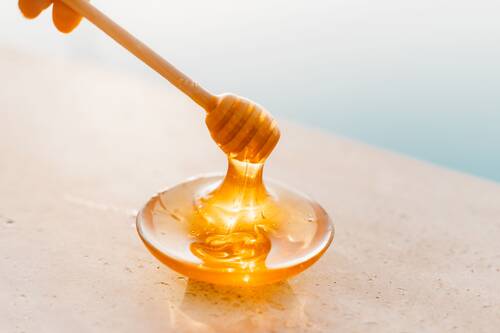
Honey is among the most studied natural wound care agents, and the benefits of raw honey have been well-documented across centuries of use, with a growing body of research supporting its role in antimicrobial protection and tissue repair.
Unlike processed honey, raw honey retains its natural enzymes, antioxidants, and antimicrobial compounds, which work together to create an environment that limits bacterial growth and supports tissue repair. Its natural acidity and moisture-drawing properties help keep the wound surface clean during the early stages of healing.
The distinction between raw honey and medical-grade Manuka honey used in clinical wound dressings is worth understanding. Medical-grade honey is standardized for potency and sterility in ways that raw honey is not, making it a more reliable and consistent option for clinical use on more complex wounds.
For minor wounds such as superficial burns and small abrasions, raw honey applied with care and covered with an appropriate dressing may offer meaningful support for the healing process.
The Limits of Natural Care: Wounds That Require Clinical Attention
Natural remedies play a meaningful role in minor wound management, but there is a clear line where their limitations become a genuine safety concern. When a wound is deep, shows signs of infection, or develops in a person with diabetes, poor circulation, or neuropathy, natural agents are not a sufficient form of treatment on their own.
Applying essential oils or honey to these types of wounds can create a misleading sense of progress while the underlying condition worsens beneath the surface.
Wounds that show no improvement after two weeks, wounds that are enlarging instead of closing, and any wound accompanied by spreading redness, unusual odor, warmth, or fever are all signals that professional evaluation is the right next step. Pressure injuries, wounds with necrotic tissue, and post-surgical wounds showing signs of reopening require systematic assessment and clinical intervention that trained specialists are equipped to provide.
Delaying that evaluation in favor of continued natural care can lead to complications that are far more difficult to manage.
What Clinical Wound Care Offers That Natural Remedies Cannot
Clinical wound care provides a level of precision and adaptability that natural remedies, however beneficial for minor wounds, are not designed to match. A wound care specialist evaluates not only the wound surface but also its depth, the quality of surrounding tissue, the volume and character of drainage, and the presence of infection or biofilm. This thorough assessment shapes treatment decisions that are revisited and adjusted as the wound progresses through each stage of healing.
Clinical care also encompasses debridement, which is the removal of non-viable tissue, along with infection management and coordination with other health professionals in fields such as vascular medicine and nutrition.
This multidisciplinary approach addresses the underlying conditions that prevent certain wounds from closing, including poor circulation, uncontrolled blood sugar, and nutritional deficiencies.
For chronic or non-healing wounds, the goal of clinical care is not just to treat what is visible on the surface but to correct the factors that are sustaining the wound.
Integrating Natural and Clinical Care Thoughtfully
Natural and clinical wound care are not always in conflict, and understanding how they relate to each other can help patients make more grounded decisions throughout the healing process.
Some natural agents, including medical-grade honey, have been incorporated into clinical wound dressings because their antimicrobial and moisture-balancing properties align with the goals of evidence-based wound management. The presence of these natural compounds in clinical products reflects the value they can offer when used within a controlled and standardized framework.
Patients who apply essential oils or other natural remedies at home should inform their wound care provider about everything being used on the wound, since certain compounds can alter the wound environment in ways that affect clinical assessment.
A practical framework for balancing both approaches is to reserve natural care for minor, low-risk wounds and turn to clinical expertise for any wound that is complex, slow to heal, chronic, or showing signs of infection.
When to Seek Specialized Wound Care Support
Recognizing when a wound needs professional attention is one of the most important skills any patient or caregiver can develop. The clearest warning signs include a wound that has shown no improvement after two to four weeks, a wound that is growing rather than closing, and any wound accompanied by fever or expanding redness in the surrounding skin.
For people with diabetes, venous insufficiency, or peripheral artery disease, the threshold for seeking professional evaluation should be lower, since these conditions can significantly impair the body’s natural repair mechanisms.
Mobile wound care services offer a practical solution for patients who need clinical expertise but face challenges traveling to a clinic setting. These services bring qualified wound care specialists directly to the patient for comprehensive assessments, dressing changes, and ongoing care plan management.
For patients managing diabetic foot ulcers, pressure injuries, and chronic non-healing wounds, mobile wound care provides the level of consistent professional oversight needed to prevent complications and support meaningful healing progress.
Understanding When Nature Helps and When Medicine Is the Answer
Natural remedies, including essential oils and raw honey, hold genuine value in minor wound care when they are chosen with knowledge and applied with care. Their antimicrobial and anti-inflammatory properties can support healing in superficial wounds, reduce discomfort, and protect vulnerable skin from environmental exposure. Respecting the limits of these remedies is what makes natural wound care a responsible choice rather than a risk.
For wounds that go beyond what natural care can address, clinical wound care offers the expertise, tools, and individualized attention that the healing process requires. Staying observant, responding to warning signs without delay, and knowing when to transition from home remedies to professional care are the practical steps that lead to better outcomes.
Disclaimer: The information on MedicalResearch.com is provided for educational purposes only, and is in no way intended to diagnose, cure, or treat any medical or other condition. Some links are sponsored. Products, services and providers are not warranted or endorsed by MedicalResearch.com or Eminent Domains Inc. Always seek the advice of your physician or other qualified health and ask your doctor any questions you may have regarding a medical condition. In addition to all other limitations and disclaimers in this agreement, service provider and its third party providers disclaim any liability or loss in connection with the content provided on this website.
Last Updated on August 4, 2026 by Marie Benz MD FAAD