#alternativemedicine Tag

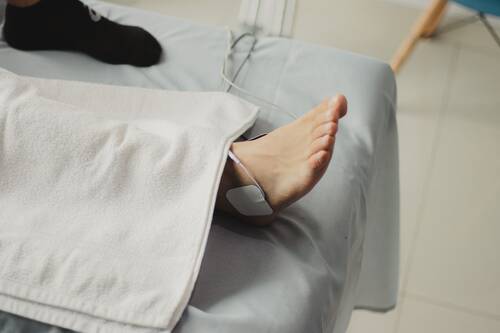
Chronic pain affects over 1.5 billion people worldwide, creating an enormous burden on healthcare systems and individual quality of life. Traditional approaches have long relied on pharmaceutical interventions, invasive procedures, and physical rehabilitation to address persistent discomfort. Yet emerging research increasingly reveals promising alternatives that work through fundamentally different mechanisms. Electromagnetic therapy represents one of the most exciting developments in non-invasive pain management. This approach harnesses the body's natural electromagnetic properties to reduce inflammation, accelerate healing and restore normal function. As evidence accumulates and technology becomes more accessible, electromagnetic therapies are transitioning from experimental treatments to validated clinical options. [caption id="attachment_74703" align="aligncenter" width="500"]Electromagnetic Therapy for Pain Relief.jpg Photo by Juan Manuel Montejano Lopez[/caption]

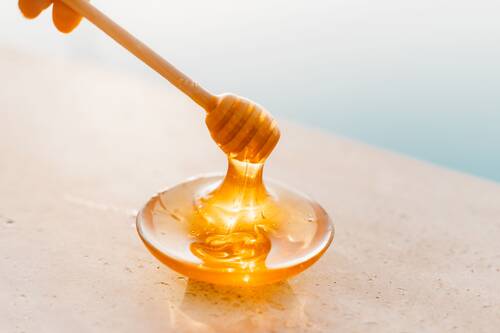
Topical Product Safety Notice: Some topical plant extracts, including essential oils, can cause allergic reactions, skin sensitization, or worsen wound healing in certain individuals. Essential oils must always be diluted in a carrier oil before application and should never be applied undiluted to open wounds or broken skin. Discuss your use of all topical products — including essential oils, raw honey, and herbal preparations — with your healthcare provider before use, particularly if you have diabetes, poor circulation, neuropathy, or a compromised immune system. Stop use immediately and seek medical attention if any worsening of the wound, increased redness, swelling, pain, discharge, or other adverse reaction develops. These products are not substitutes for clinical wound care and are not FDA-approved for the treatment of any wound or medical condition. Natural remedies have been part of wound care for centuries, and plant-based options like essential oils continue to attract interest as accessible choices for minor wounds. Not every wound responds to natural remedies the same way, however, and that difference matters more than most people realize. In this article, we explore when essential oils support healing and when clinical wound care is the right and necessary course of action. [caption id="attachment_74591" align="aligncenter" width="500"]raw-honey-wound-care-pexels.jpg Photo by ROMAN ODINTSOV[/caption]

Editor's note: This piece discusses mental health issues. If you have experienced suicidal thoughts or have lost someone to suicide and want to seek help, you can contact the Crisis Text Line by texting "START" to 741-741 or call the Suicide Prevention Lifeline at 800-273-8255. This article is educational and does not constitute medical advice. Nothing here replaces professional clinical training, supervision, or guidance from a qualified health practitioner.

Mesmerism Training: History, Techniques, and What to Know

If you have searched for courses in mesmerism, you have probably noticed a confusing mix of historical claims, modern rebranding, and bold promises. The word "mesmerism" carries more than two centuries of baggage, from Enlightenment-era salons to present-day workshops. This guide separates history from current practice, explains what contemporary courses typically teach, outlines where the evidence stands, and gives you a practical checklist for evaluating any program before you enrol. It is written with Australian readers in mind, though the principles apply broadly. mesmerism key takeaways

Key Takeaways

  • Historical mesmerism and modern hypnosis are not the same thing. Franz Anton Mesmer's "animal magnetism" theory was challenged in his own lifetime; today's practice is usually framed around suggestion, focused attention, and psychological research.
  • Nonverbal approaches emphasise gaze, posture, silence, and presence. Touch-based cues and rapid inductions require explicit informed consent and clear stop signals every time.
  • Clinical hypnosis shows promise as an adjunct for certain conditions. However, effect sizes vary, the quality of evidence is uneven, and cure-all claims are not supported.
  • Vet programs carefully. In Australia, there is no single government-recognised licence for the standalone title "hypnotist". Course certificates are usually private credentials, not regulated qualifications.

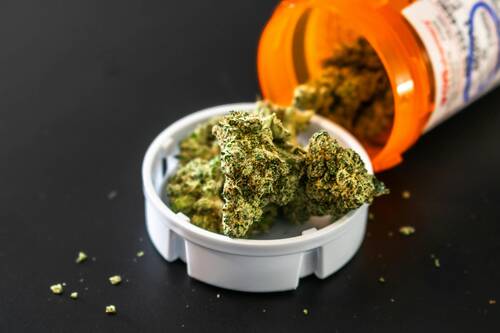
[caption id="attachment_73613" align="aligncenter" width="500"]therapeutic-uses-cannabis.jpg Pexels[/caption]

Please note: Cannabis and cannabidiol (CBD) products are generally not FDA tested or approved for all conditions referenced in this article. Cannabis and CBD products can interfere with medications including blood pressure medications and anticoagulants. Do not use cannabis products if pregnant, nursing or planning to become pregnant. Do not delay seeking medical attention for medical concerns by using cannabis or CBD products without medical advice. Cannabis products should not be used while driving or operating machinery. Statements and product contents have not been independently confirmed by MedicalResearch.com or Eminent Domains Inc. Please discuss any and all cannabis or CBD use with your health care provider before beginning any such regimen.

The landscape of chronic condition management has undergone a significant transformation over the past decade. For years, the medical community relied heavily on isolated symptom treatments and traditional pharmacological interventions to manage complex ailments. Patients suffering from long-term conditions like neuropathy, chronic inflammation, or severe anxiety frequently found themselves cycling through various medications with limited success and significant side effects. These recurring challenges have prompted healthcare professionals to rethink standard protocols. The latest clinical evidence supports a multidimensional approach to chronic pain that incorporates alternative and complementary therapies, reflecting a broader shift away from conventional, single-track treatments. As recent insights into pain management demonstrate, invasive procedures and heavy medications are no longer the default first-line defense. Instead, clinicians are increasingly advocating for whole-person care that values patient lifestyle strategies, psychological support, and alternative therapeutics. Among these emerging alternatives, cannabidiol has garnered substantial attention from the global medical and academic communities as a viable option for those who have exhausted standard therapies.