Wound Healing / 25.05.2026

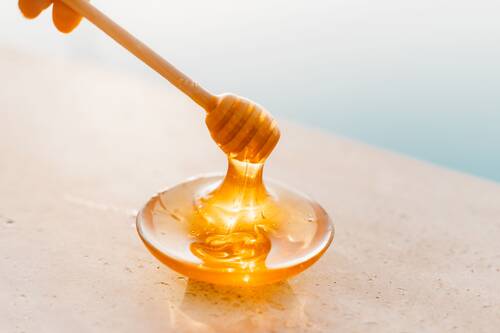
[caption id="attachment_73948" align="aligncenter" width="500"]hyperbaric-oxygen-wound-healing.png Pexels image[/caption] Got a wound that just won't heal? Stubborn wounds can be so aggravating. They linger for weeks (or months) and typical wound care doesn't seem to work. Here's the good news... Hyperbaric oxygen therapy (HBOT) ranks among today's most powerful healing modalities for chronic wounds. HBOT delivers 100% oxygen at high pressure throughout the body and the results can be astounding. Here's what's inside: What Is Hyperbaric Oxygen Therapy? How HBOT Helps Wounds Heal Wounds That Respond Best To Treatment What To Expect During A Session How Many Sessions Are Needed Possible Side Effects To Know About Let's jump in!
Author Interviews, Nutrition / 05.04.2022

MedicalResearch.com Interview with: [caption id="attachment_58962" align="alignleft" width="150"]Dorothy Klimis-Zacas, MS, PhD, FACN Professor of Clinical Nutrition School of Food and Agriculture Graduate Faculty School of Biomedical Sciences Associate Faculty, Institute of Medicine Fulbright Fellow University of Maine Orono, Maine 04469 Dr. Klimis-Zacas[/caption] Dorothy Klimis-Zacas, MS, PhD, FACN Professor of Clinical Nutrition School of Food and Agriculture Graduate Faculty School of Biomedical Sciences Associate Faculty, Institute of Medicine Fulbright Fellow University of Maine Orono, Maine 04469  MedicalResearch.com:  What is the background for this study?  Response: Bioactive compounds such as polyphenols have been documented to have wound healing properties . In the Klimis-Zacas laboratory, phenolic extracts (PE) from wild blueberries (WB) were reported to promote angiogenesis in HUVEC cells via cell migration, angiogenesis, through VEGF/P13K/AKT pathway documented that the PE, primarily composed of chlorogenic acid significantly promoted cell migration and closure speed of wound by 38% above the control as well as angiogenesis and gene expression for proteins critical for cell movement while the anthocyanin fraction inhibited the above processes (5,6).