@woundcare Tag

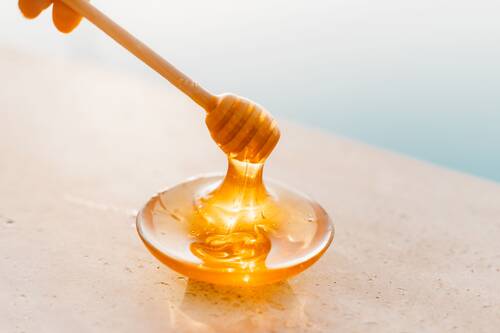
Topical Product Safety Notice: Some topical plant extracts, including essential oils, can cause allergic reactions, skin sensitization, or worsen wound healing in certain individuals. Essential oils must always be diluted in a carrier oil before application and should never be applied undiluted to open wounds or broken skin. Discuss your use of all topical products — including essential oils, raw honey, and herbal preparations — with your healthcare provider before use, particularly if you have diabetes, poor circulation, neuropathy, or a compromised immune system. Stop use immediately and seek medical attention if any worsening of the wound, increased redness, swelling, pain, discharge, or other adverse reaction develops. These products are not substitutes for clinical wound care and are not FDA-approved for the treatment of any wound or medical condition. Natural remedies have been part of wound care for centuries, and plant-based options like essential oils continue to attract interest as accessible choices for minor wounds. Not every wound responds to natural remedies the same way, however, and that difference matters more than most people realize. In this article, we explore when essential oils support healing and when clinical wound care is the right and necessary course of action. [caption id="attachment_74591" align="aligncenter" width="500"]raw-honey-wound-care-pexels.jpg Photo by ROMAN ODINTSOV[/caption]

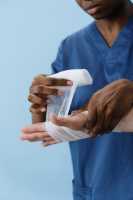
[caption id="attachment_73948" align="aligncenter" width="500"]hyperbaric-oxygen-wound-healing.png Pexels image[/caption] Got a wound that just won't heal? Stubborn wounds can be so aggravating. They linger for weeks (or months) and typical wound care doesn't seem to work. Here's the good news... Hyperbaric oxygen therapy (HBOT) ranks among today's most powerful healing modalities for chronic wounds. HBOT delivers 100% oxygen at high pressure throughout the body and the results can be astounding. Here's what's inside: What Is Hyperbaric Oxygen Therapy? How HBOT Helps Wounds Heal Wounds That Respond Best To Treatment What To Expect During A Session How Many Sessions Are Needed Possible Side Effects To Know About Let's jump in!

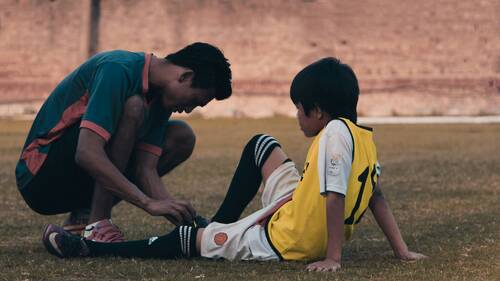
[caption id="attachment_63942" align="aligncenter" width="500"]injuries-emergency-care Photo by Yogendra Singh on Unsplash[/caption] You'll unlikely need medical attention when you get a small paper cut or bruise, but exceptions can occur even with minor injuries. Sometimes, cuts require stitches or professional cleaning. Germs or bacteria can also enter a seemingly small cut, leading to a more extensive infection. It can be difficult to tell at times when to seek professional medical care when you get hurt. There are some telltale signs from your body indicate whether you should head to the hospital or urgent care. This list is not all-inclusive, but a guide to some of the more common injuries. Remember if you are unsure about the seriousness of an injury, it is better to seek medical care than wait.

Prolonged Bleeding

When you receive a cut or scrape, bleeding is normal. After about ten minutes, most of the bleeding should stop, though some small blood trickles can continue for up to an hour. After this time frame, additional bleeding should cause concern, especially if the bleeding is excessive, even after applying pressure for at least twenty minutes. If there is any debris in the cut, this can make bleeding worse; if you can’t remove it yourself, you’ll also need medical attention.