Topical Product Safety Notice: Some topical plant extracts, including essential oils, can cause allergic reactions, skin sensitization, or worsen wound healing in certain individuals. Essential oils must always be diluted in a carrier oil before application and should never be applied undiluted to open wounds or broken skin. Discuss your use of all topical products — including essential oils, raw honey, and herbal preparations — with your healthcare provider before use, particularly if you have diabetes, poor circulation, neuropathy, or a compromised immune system. Stop use immediately and seek medical attention if any worsening of the wound, increased redness, swelling, pain, discharge, or other adverse reaction develops. These products are not substitutes for clinical wound care and are not FDA-approved for the treatment of any wound or medical condition.
Natural remedies have been part of wound care for centuries, and plant-based options like essential oils continue to attract interest as accessible choices for minor wounds. Not every wound responds to natural remedies the same way, however, and that difference matters more than most people realize.
In this article, we explore when essential oils support healing and when clinical wound care is the right and necessary course of action.
[caption id="attachment_74591" align="aligncenter" width="500"]
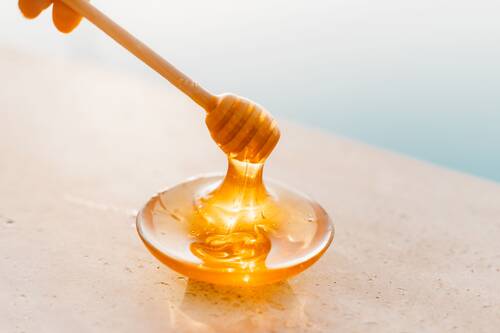 Photo by ROMAN ODINTSOV
[/caption]
