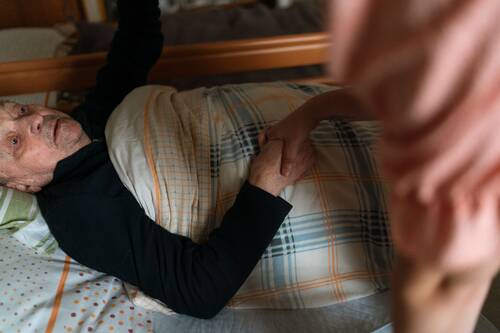
Try to talk to other people living in the nursing home or about their families and ask them if they...
Families place significant trust in nursing homes, expecting consistent attention and careful supervision. However, nearly five million older adults experience abuse annually, and many of them live in nursing homes.
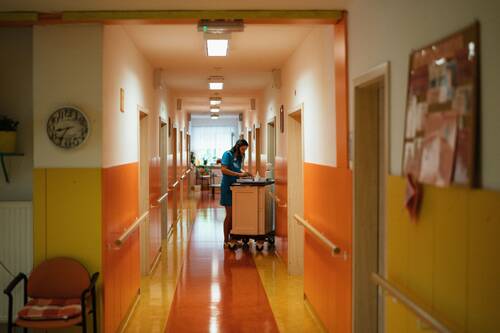
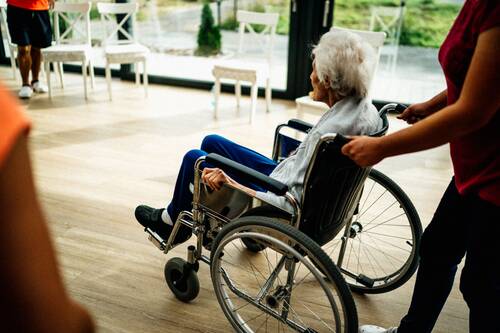
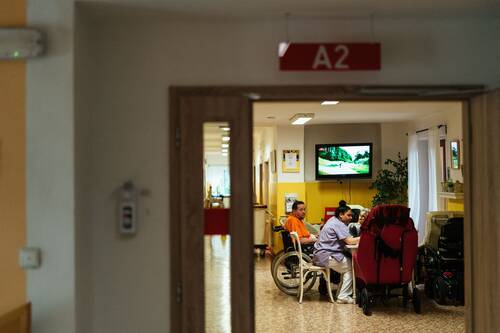
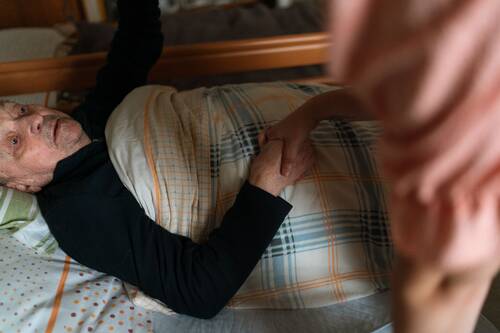
A resident’s physical state and general awareness can tell you a lot about the lack of care they’re experiencing at the facility. It’s important that family members notice the telltale signs of neglect. Below, we explain the signals that suggest a decline in care standards.
Photo courtesy of Pexels[/caption]
Nursing home neglect scares families with aging loved ones. The thought of caregivers letting down our loved ones breaks our hearts. Sadly, bad cleaning habits, injuries nobody looks at, and leaving old people alone happens more than most people know. This article will show you the signs to watch for, how to help stop neglect before it happens, and the steps to take when you think your loved one isn't being cared for the right way.
Photo courtesy of Pexels[/caption]
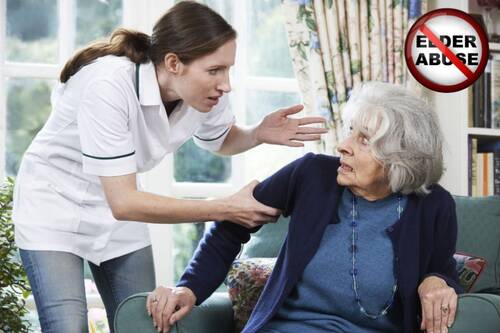
Growing old comes with different health issues and loss of cognitive abilities. As people age, they become physically frail and struggle to protect and stand up for themselves. Elder abuse is the mistreatment of an older person, which can occur in different forms, including physical, emotional, and sexual harm, financial exploitation, or neglect of their welfare and basic needs by those entrusted with their care. It is a serious issue and a violation of human rights that can lead to physical injuries and can have long-term psychological and emotional consequences.
According to the World Health Organization (WHO), around one out of every six elders face abuse each year, and this risk is even higher in places like nursing homes and long-term care facilities. This can be prevented to some extent by following these steps:
Aged care services for seniors have seen remarkable improvements in recent years, largely due to advancements in medicine and technology. These changes are helping older adults live more comfortably and independently. From managing chronic diseases to enhancing mental health support, medical progress is reshaping the way we care for the elderly.
This article explores how these advancements are making a difference and what they mean for the future of aged care.
Photo by Kampus Production[/caption]
Understanding the Fundamentals
The Genesis of Resident Rights
In nursing homes, residents' rights are paramount to ensuring respectful and humane treatment. Your guide to protecting nursing home residents offers valuable insights into maintaining these standards. The concept of resident rights has its roots in ensuring that every individual's dignity is preserved, even when life's circumstances require them to depend on others for care. Emerging in response to historical deficiencies in care standards, the establishment of these rights was a pivotal moment in senior healthcare. The Nursing Home Reform Act 1987 is a cornerstone, mandating specific care standards and protection protocols. This legislation and myriad state and federal regulations ensure that every resident receives attention tailored to their needs while honoring their rights.
Image Source[/caption]
Oakland has its fair share of nursing home facilities that provide care to seniors and disabled individuals. Unfortunately, some of these facilities have been reported for abuse or neglect, leaving loved ones worried about their family members' well-being.
Abuse in nursing homes threatens the safety and dignity of some of society's most vulnerable individuals. It encompasses various harmful actions or acts of neglect inflicted upon residents by caregivers or others in the facility. If you know someone who’s in a similar situation, it’s important to contact an Oakland nursing home abuse lawyer for legal advice.
The sections below dive deeper into the concept of nursing home abuse.
Source Unsplash[/caption]
Source[/caption]
The postpartum period can be both beautiful and challenging as new mothers navigate recovery while caring for their newborns. Creating a nurturing space at home is essential to support healing and emotional well-being.
As per the Cleveland Clinic, postpartum depression is a prevalent issue, with about 75% of new mothers experiencing the baby blues shortly after delivery. Of those, approximately 15% will go on to develop postpartum depression, which can significantly impact their recovery and overall well-being. In more severe cases, about one in 1,000 individuals may experience postpartum psychosis. This highlights the importance of support from qualified nursing professionals during this critical time.
A comfortable, calming environment can significantly impact your recovery experience. From organizing your living area to incorporating elements that promote relaxation, small adjustments can make a big difference. In this article, we’ll explore how to design your postpartum space thoughtfully and practical tips to enhance your recovery journey at home.
Source[/caption]
Seniors typically need greater help as they age; the difference is primarily in having the correct person at their side. Selecting the appropriate aged care nurse can help guarantee comfort, safety, and good quality of life whether you are thinking about live-in care for seniors. These useful pointers should assist in directing your decision-making process for the best live in care for seniors.
Source[/caption]