

#slipandfall Tag

Legal Notice: This post provides general information about Ontario law and is not legal or medical advice. Notice periods and limitation deadlines can be very short, especially for falls on snow or ice, and depend on the facts of each case. Consult a lawyer licensed in Ontario about your situation, and seek medical care for any injury. Reading this post does not create a lawyer-client relationship. Law firms named or linked in this post are not warranted or endorsed by MedicalResearch.com or Eminent Domains Inc.

Slip and fall injuries in Toronto condos and apartment buildings leave many people unsure where to turn. Maybe you slipped on an icy front entrance, tripped on a broken lobby step, or went down in a dimly lit stairwell, and the question of who bears legal responsibility isn't clear-cut.

Knowing who is responsible matters because it determines whether you can recover compensation for medical expenses, lost wages, and pain. Ontario's Occupiers' Liability Act sets the legal framework, but applying it to residential buildings, where multiple parties often share control over different spaces, takes careful analysis.
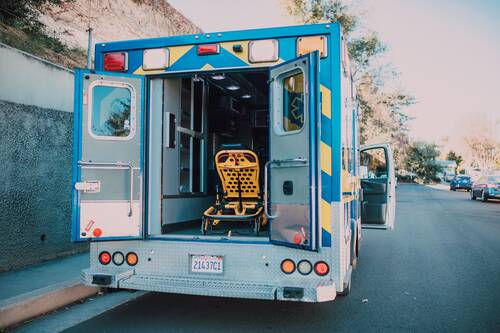
Legal and Medical Notice: This post provides general information about Nova Scotia and is not legal or medical advice. Reporting rules, deadlines, and insurance requirements can change and depend on your circumstances; confirm them with a lawyer licensed in Nova Scotia. If you are injured, seek medical care first. In an emergency, call 911. Reading this post does not create a lawyer-client relationship. Law firms named or linked in this post are not warranted or endorsed by MedicalResearch.com or Eminent Domains Inc.

A personal injury accident can upend your life in seconds. Whether it's a car collision on Barrington Street, a slip on an icy sidewalk, or a workplace incident at a job site, the actions you take in the first minutes and hours shape both your health outcomes and your legal options.

Most people freeze. They don't know who to call first, what to document, or how to protect themselves legally. But knowing what to do immediately after a personal injury accident in Halifax can make a real difference to the strength of a claim. Here are six steps to follow.

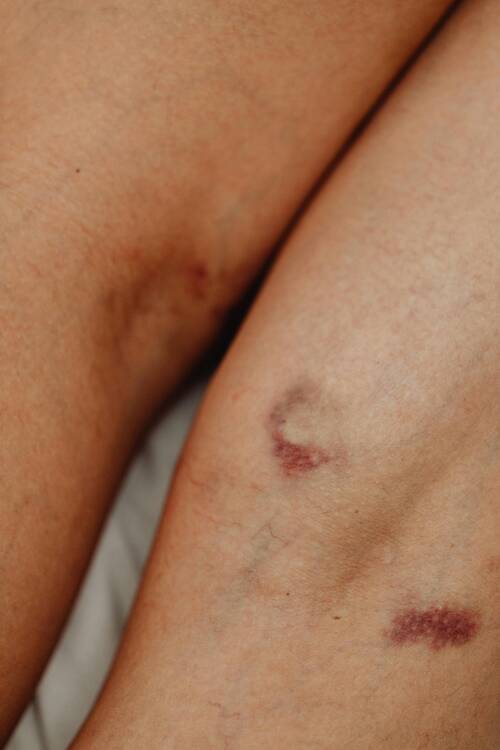
[caption id="attachment_64052" align="aligncenter" width="500"]bruises-accidents-lawyers Source[/caption] Accidents leave a mark, that much is obvious. But the scars of a personal injury extend far beyond the visible bruises and broken bones. In the aftermath of an accident, victims often find themselves grappling with a host of challenges that touch every aspect of their lives. From financial strain and emotional distress to legal battles and lifestyle adjustments, the hidden costs of personal injury can be overwhelming.

Unveiling the Financial Burden

The most immediate and tangible consequence of a personal injury is often the financial burden it imposes. Medical expenses can quickly escalate, encompassing everything from emergency room visits and surgeries to ongoing rehabilitation and medication. For those unable to work due to their injuries, lost wages become a significant concern, impacting their ability to support themselves and their families. In the case of accidents involving property damage, such as car crashes, victims may face additional costs for vehicle repairs or replacements. Even seemingly minor injuries can lead to unexpected out-of-pocket expenses for things like assistive devices, transportation to medical appointments, and home modifications. In such circumstances, seeking the guidance of a New York personal injury law firm can be crucial. These legal professionals can assess the full scope of damages, both current and future, and help victims understand their options for financial recovery. They can also negotiate with insurance companies and advocate for fair compensation on behalf of their clients, ensuring that victims receive the financial support they need to rebuild their lives.