
#spinalmanipulation Tag

Health Notice: Seek emergency care for back pain with new bladder or bowel-control problems, numbness in the groin or inner thighs, or rapidly worsening leg weakness. See a physician promptly for back pain after a fall or accident, or with fever, unexplained weight loss, a history of cancer, or osteoporosis. Spinal and neck manipulation carry a small risk of serious complications, so tell any chiropractor about your full medical history, including blood thinners and prior spine surgery. Do not stop or change prescribed pain medication without talking to your doctor.

Editorial Notice: This article is general information and is not specific medical advice. Clinic details reflect how the practice describes its own services. Providers named or linked in this article are not warranted or endorsed by MedicalResearch.com or Eminent Domains Inc.

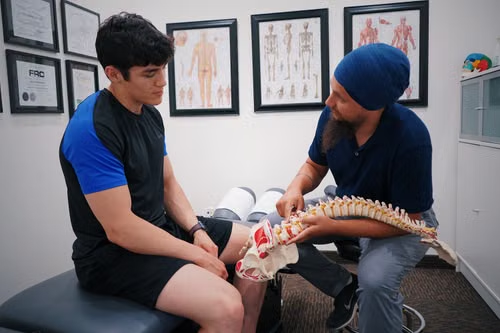
Back pain choices are rarely made calmly. A stiff week, a full calendar and a medicine cabinet within reach can make a drug-free option feel either obvious or out of reach. This planning guide, written in November 2026, looks at how to weigh spinal manipulation as one piece of a larger plan. For a concrete example, it draws on Aligned Integrated Health, an integrative chiropractic clinic in Scottsdale, Arizona, led by Dr. Daniel J. Gerwig, D.C., offering chiropractic care, structural rehabilitation, massage therapy and custom foot orthotics.

Clinics describe their work in different ways, so it helps to read what a practice actually lists.

Health Notice: See a medical doctor promptly, rather than starting with manual therapy, if back or neck pain follows a fall or injury, or comes with numbness or weakness in the arms or legs, loss of bladder or bowel control, numbness in the groin area, fever, unexplained weight loss, or a history of cancer. Call 911 for sudden severe headache, chest pain, or signs of stroke or other unexplained or severe symptoms. Tell any chiropractor or physical therapist if you have osteoporosis, take blood thinners, or have had spine surgery as well as your complete medical history.

Editorial Notice: This article is for general information and is not specific medical advice. Practices and providers named or linked in this article are not warranted or endorsed by MedicalResearch.com or Eminent Domains Inc.

So you've been experiencing back pain, neck stiffness, or maybe your shoulder's been acting up for weeks now. Your first instinct might be to just tough it out, but at some point you realize something needs to change. Here's where things get confusing. You start researching and suddenly you're seeing recommendations for chiropractors, physical therapists, and everyone seems to have an opinion about which one is better.

The truth is, they're not really competitors. They just approach healing differently, and sometimes what you need depends on what actually caused your problem in the first place.

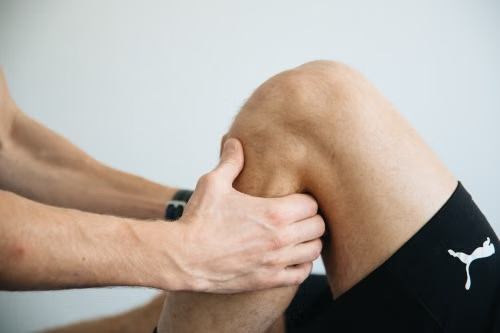
[caption id="attachment_73490" align="aligncenter" width="500"]spinal-manipulation-neck-back-pain.jpg Pexels[/caption] Spinal manipulation has moved from contested intervention to first-line non-pharmacologic recommendation for several musculoskeletal conditions. The shift is documented in major clinical guidelines, supported by Cochrane reviews, and reinforced by comparative effectiveness data showing favorable risk profiles relative to standard pharmacologic care. The clinical question for primary care has changed from whether to consider chiropractic referral to which patients benefit most and what selection criteria identify evidence-based providers. The 2017 American College of Physicians clinical practice guideline placed spinal manipulation among the recommended first-line treatments for acute, subacute, and chronic low back pain, alongside heat, exercise, and acupuncture. Subsequent updates and parallel guidelines from the United Kingdom's NICE, the Canadian Chiropractic Guideline Initiative, and the Lancet Low Back Pain Series Working Group have reinforced the same position.