
30 Sep Craniosacral Therapy: What the Research Shows and What Utah Patients Should Ask
Craniosacral Therapy Safety Notice: Discuss craniosacral therapy with your healthcare provider before scheduling a session. Craniosacral therapy may not be appropriate for everyone. Contraindications include, but are not limited to:
- Blood clots
- A concussion
- Brain swelling
- Brain aneurysm
- Chiari malformation
- Any condition that causes cerebrospinal fluid pressure, flow or buildup
Craniosacral therapy should not replace evaluation or treatment by a licensed medical provider. Seek prompt medical care for new or unexplained symptoms such as a sudden severe headache, numbness, weakness or vision changes.
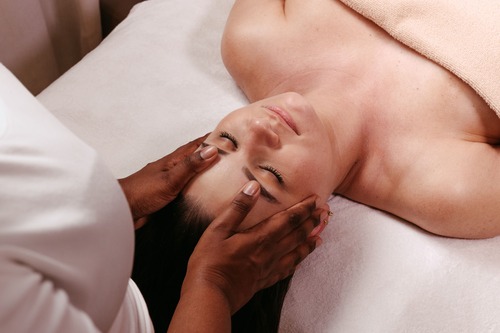
Craniosacral therapy has a loyal following and a skeptical research community. A practitioner uses light touch on the skull, neck, spine and sacrum.
Whether it does more than that is a different question. More recent reviews have reached less favorable conclusions than the earlier evidence. So it helps to know how the evidence has changed before booking a session.
[caption id="attachment_76390" align="aligncenter" width="500"] Photo by Jonathan Borba[/caption]