
30 Sep Craniosacral Therapy: What the Research Shows and What Utah Patients Should Ask
Craniosacral Therapy Safety Notice: Discuss craniosacral therapy with your healthcare provider before scheduling a session. Craniosacral therapy may not be appropriate for everyone. Contraindications include, but are not limited to:
- Blood clots
- A concussion
- Brain swelling
- Brain aneurysm
- Chiari malformation
- Any condition that causes cerebrospinal fluid pressure, flow or buildup
Craniosacral therapy should not replace evaluation or treatment by a licensed medical provider. Seek prompt medical care for new or unexplained symptoms such as a sudden severe headache, numbness, weakness or vision changes.
Craniosacral therapy has a loyal following and a skeptical research community. A practitioner uses light touch on the skull, neck, spine and sacrum.
Whether it does more than that is a different question. More recent reviews have reached less favorable conclusions than the earlier evidence. So it helps to know how the evidence has changed before booking a session.
Where Craniosacral Therapy Comes From
CST grew out of osteopathy. In the early 20th century, osteopath William Garner Sutherland proposed that the brain and skull move in a subtle, rhythmic pattern linked to the cerebrospinal fluid that surrounds the brain and spinal cord. He believed trained hands could feel that rhythm.
Osteopathic physician John Upledger later popularized the approach as craniosacral therapy and published a textbook on it in 1983. Practitioners today still describe the goal as releasing restrictions in this “craniosacral system.”
That rhythm is the part researchers have struggled to confirm. Studies testing whether different examiners detect the same cranial rhythm in the same patient have generally found poor agreement between practitioners.
Why People With Chronic Pain Seek It Out
People seek CST for conditions including long-running neck pain, back pain and headaches. Many have already tried medication, physical therapy or both, with mixed results.
CST appeals because it’s gentle and doesn’t involve adjustments or needles. For someone whose pain flares with firm pressure, that matters.
The Earlier Evidence Looked Promising
For a while, the most cited paper was a meta-analysis of randomized trials on chronic pain published in BMC Musculoskeletal Disorders at the end of 2019. Researchers pooled 10 randomized controlled trials with 681 patients with conditions like neck and back pain, migraine, fibromyalgia and pelvic girdle pain.
Compared with sham treatments, CST was linked to medium-sized improvements in pain and daily function, and two trials suggested the difference held at six months. No serious adverse events were reported.
But the authors were upfront about the limits. Most comparisons rested on just two trials, therapists couldn’t be blinded, and placebo effects couldn’t be ruled out. Only half the trials reported safety data at all, and four of the review’s authors had run one of the included studies.
What Newer Reviews Found
Two larger analyses published in 2024 reached less favorable conclusions. A systematic review in the journal Healthcare looked at 15 randomized trials covering headache, neck pain, low back pain, pelvic girdle pain and fibromyalgia, along with several non-musculoskeletal conditions. It found no statistically significant or clinically relevant benefit for any of the conditions it assessed.
The bigger one was a 2024 meta-analysis of craniosacral techniques in Frontiers in Medicine, which included 24 randomized trials and 1,613 participants. When the researchers looked only at each trial’s primary outcome, they found no significant effects in any subgroup.
An additional analysis did show a statistically significant effect for chronic somatic pain. The authors warned against reading that as a positive result, though, citing wide prediction intervals that crossed zero, a high risk of bias and statistical limitations. They summarized their findings by saying CST showed no significant effects.
In plain terms, the older positive signal came from a small pool of studies. The larger and more recent analyses don’t show a reliable benefit for pain, function or the other conditions studied. Individual people may still report feeling better after sessions, but that’s different from evidence that the technique itself is working.
What a Session Looks Like
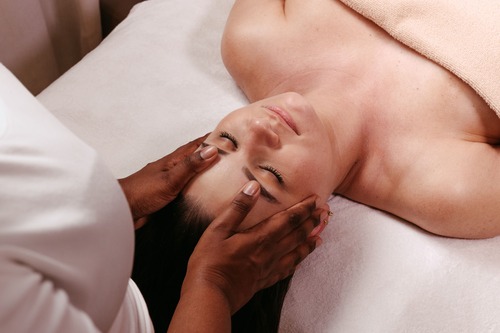
Sessions are quiet and low-key. You lie on a padded table, usually fully clothed, while the therapist holds light contact at the head, neck, upper back and base of the spine, sometimes staying in one spot for several minutes.
Length varies by clinic, and providers of craniosacral therapy in Utah such as Body Balance Massage and Float in American Fork describe sessions running 45 minutes to an hour. Some clinics pair CST with other massage work, so ask what’s included.
Drowsiness, tiredness and temporary increases in pain were among the minor adverse events reported in the trials, although these were also reported in comparison groups. There’s no agreed number of sessions either. Trials in the 2019 review used anywhere from 1 to 50 treatments.
Gentle Isn’t the Same as Risk-Free
CST uses light pressure, but the available safety data are limited. Many trials never reported adverse events, so “no serious problems reported” isn’t the same as proof of safety. The review also distinguished CST’s light-touch approach from forceful spinal techniques, which can carry serious risks in some people with existing spine problems.
Talk to a physician before booking if you have:
- A recent head injury or concussion
- A known spinal condition or recent spine surgery
- New or unexplained symptoms, like sudden headaches, numbness or vision changes
- A pain problem that hasn’t been evaluated yet
That last point is bigger than it looks. A relaxing session can take the edge off symptoms that need imaging or a specialist, so CST shouldn’t stand in for medical care.
Questions to Ask Before Booking in Utah
Utah licenses massage therapists through the state’s DOPL (Division of Professional Licensing), which is a reasonable baseline to check. But a massage license doesn’t tell you how much CST training someone has.
A few questions worth bringing to a consult:
- What CST training have you completed, and how recently?
- What do you expect to change, and how will we know if it isn’t helping?
- How do you describe the research on CST to clients?
- Would you share notes with my doctor or physical therapist if I asked?
The question about research is a useful one. If the answer leans on guaranteed results or cure claims, it doesn’t match what the current research shows.
Where the Evidence Stands
More recent reviews have generally been less favorable than the earlier evidence. A 2019 meta-analysis found statistically significant improvements in pain and disability, and the larger 2024 reviews did not confirm them. Research has also questioned whether practitioners can reliably detect the cranial rhythm on which the technique’s theory is based.
That leaves plenty of open questions. Better-designed trials with proper sham controls and consistent safety reporting would help settle them. Until then, the current evidence doesn’t show that CST reliably improves pain or other health conditions.
For a broader overview of persistent pain care, see this MedicalResearch.com overview of when persistent neck and back problems need specialist care.
The information on MedicalResearch.com is provided for educational purposes only, and is in no way intended to diagnose, cure, or treat any medical or other condition. Some links are sponsored. MedicalResearch.com and Eminent Domains Inc. do not warrant or endorse products or claims made by third party links. Always seek the advice of your physician or other qualified health provider and ask your doctor any questions you may have regarding a medical condition. In addition to all other limitations and disclaimers in this agreement, service provider and its third party providers disclaim any liability or loss in connection with the content provided on this website.
Last Updated on September 30, 2026 by Marie Benz MD FAAD