08 Jun Smart Hand Massager: Why Busy Professionals Are Investing in Hand Wellness
Posted at 16:44h
in Health and Wellness
[caption id="attachment_74123" align="aligncenter" width="358"]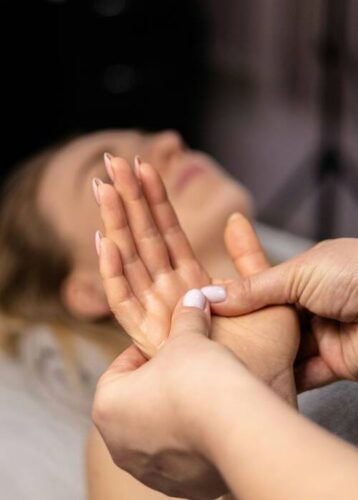 Photo by Anna Keibalo on Unsplash[/caption]
Modern professionals rely on their hands more than ever before. They are used to type emails, attend virtual meetings, use smartphones, manage documents, or performing detailed tasks, hands remain active throughout day. Many people focus on maintain overall wellness hand comfort is often overlooked until fatigue, stiffness or discomfort begin to interfere with everyday activities. The awareness of self-care continues to grow, products such as Smart Hand Massager become popular among working professionals. These devices offer convenient way to support relaxation. And encourage comfort and promote wellness without disrupting busy schedule. Understanding why hand wellness matters can help individual develop healthier habits and maintain greater comfort throughout their professional lives.
Photo by Anna Keibalo on Unsplash[/caption]
Modern professionals rely on their hands more than ever before. They are used to type emails, attend virtual meetings, use smartphones, manage documents, or performing detailed tasks, hands remain active throughout day. Many people focus on maintain overall wellness hand comfort is often overlooked until fatigue, stiffness or discomfort begin to interfere with everyday activities. The awareness of self-care continues to grow, products such as Smart Hand Massager become popular among working professionals. These devices offer convenient way to support relaxation. And encourage comfort and promote wellness without disrupting busy schedule. Understanding why hand wellness matters can help individual develop healthier habits and maintain greater comfort throughout their professional lives.