
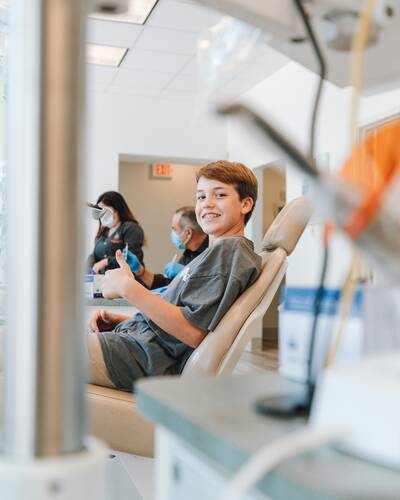
01 Apr Family Dentistry in 2026: What Modern Practices Offer That Your Parents’ Dentist Didn’t
How Family Dental Care Has Evolved for Today’s Patients
The family dental practice of 2026 bears little resemblance to the offices most adults remember from childhood. Gone are the days of anxiety-inducing waiting rooms, limited treatment options, and the assumption that dental visits were something to endure rather than a positive healthcare experience. Modern family dentistry has incorporated advances in technology, patient comfort, and preventive philosophy that have fundamentally changed what patients can expect from their dental care provider.
According to the American Dental Association, approximately 65% of Americans visited a dentist in the past year, a number that has been steadily climbing as practices invest in patient experience improvements and insurance coverage expands. The growth reflects both increased awareness of the connection between oral health and overall health and the fact that modern dental visits are genuinely more comfortable than they were a generation ago.
Digital Diagnostics and Treatment Planning
One of the most visible changes in modern dental practice is the shift from film-based X-rays to digital imaging. Digital radiography reduces radiation exposure by up to 80% compared to traditional film, produces instant high-resolution images that can be enhanced and analyzed on screen, and eliminates the chemical processing that made old-fashioned X-ray development environmentally problematic.
Intraoral cameras give patients a direct view of what the dentist sees, making it easier to understand diagnosis and treatment recommendations. When a dentist points to a shadow on a film X-ray and explains that a cavity exists, many patients take it on faith. When they can see the actual tooth on a screen at high magnification, with the problem area clearly visible, the diagnosis becomes tangible and the treatment recommendation becomes intuitive.
CBCT (cone beam computed tomography) scanners provide three-dimensional views of teeth, bone structure, and surrounding anatomy. This technology has transformed treatment planning for implants, wisdom tooth extractions, and root canal procedures by giving the dentist complete anatomical information before the procedure begins.
Family practices like Lernor Family Dental incorporate these diagnostic technologies to provide more accurate diagnoses and more predictable treatment outcomes. The investment in digital diagnostics benefits patients through faster appointments, reduced radiation exposure, and treatment plans based on comprehensive imaging rather than limited two-dimensional views.
Preventive Philosophy Over Reactive Treatment
The most significant philosophical shift in modern family dentistry is the move from reactive treatment to proactive prevention. Traditional dental care waited for problems to develop and then fixed them. Modern practice identifies risk factors early and intervenes before damage occurs.
This preventive approach includes:
- Caries risk assessment that evaluates each patient’s individual cavity risk based on diet, oral bacteria levels, saliva quality, fluoride exposure, and home care habits
- Custom prevention protocols tailored to each patient’s risk level rather than one-size-fits-all cleaning schedules
- Sealant application for children and high-risk adults to protect vulnerable tooth surfaces
- Silver diamine fluoride application to arrest early-stage cavities without drilling in appropriate cases
- Oral cancer screening using fluorescence visualization technology that identifies suspicious tissue changes earlier than visual examination alone
For families with children, early preventive intervention establishes oral health habits and reduces the likelihood of significant dental problems later in life. The investment in prevention during childhood pays dividends throughout adulthood in the form of fewer cavities, less complex treatment needs, and better overall oral health.
Comfort-Focused Care
Patient comfort has become a genuine priority in modern dental practice rather than an afterthought. This shows up in multiple ways:
Sedation options ranging from nitrous oxide for mild anxiety to oral conscious sedation for more significant dental phobia give patients who previously avoided dental care entirely a pathway back to regular visits. The availability of sedation options has been one of the most important factors in reaching patients who need care but cannot tolerate traditional dental appointments.
Topical anesthetics applied before injections reduce or eliminate the discomfort of local anesthesia administration. Buffered anesthetic solutions that reduce the pH-related burning sensation of traditional lidocaine further improve the injection experience. And injection techniques using computer-controlled delivery systems provide consistent, slow anesthetic delivery that many patients report as painless.
The physical environment of modern dental offices reflects the emphasis on comfort. Natural lighting, comfortable operatory chairs, streaming entertainment options, and noise-reducing headphones address the sensory triggers that make dental visits stressful for many patients.
The Whole-Health Connection
Research continues to strengthen the link between oral health and systemic health conditions. Periodontal disease has documented associations with cardiovascular disease, diabetes management, respiratory infections, and adverse pregnancy outcomes. Modern family dental practices screen for these connections and coordinate with patients’ medical providers when dental findings have potential systemic implications.
For patients managing chronic conditions like diabetes, the relationship with their dental provider becomes part of their overall health management team. Diabetic patients are more susceptible to periodontal disease, and uncontrolled periodontal disease makes blood sugar management more difficult, creating a cycle that benefits from coordinated medical and dental care.
Choosing a Family Dental Provider
When selecting a family dental practice, several factors indicate a commitment to modern care standards:
- Investment in current diagnostic technology including digital radiography and intraoral cameras
- A clearly articulated preventive philosophy with individualized treatment recommendations
- Availability of comfort options including sedation for anxious patients
- A welcoming environment for patients of all ages from toddlers to seniors
- Transparent communication about diagnosis, treatment options, and costs
The best family dental practices create an environment where every family member, from a three-year-old having their first dental visit to a grandparent managing complex dental needs, receives care that reflects current best practices and genuine concern for their comfort and outcomes.
—-
The information on MedicalResearch.com is provided for educational purposes only, and is in no way intended to diagnose, cure, or treat any medical or other condition. Some links are sponsored. Products, providers and services are not warranted and endorsed.
Always seek the advice of your physician or other qualified health and ask your doctor any questions you may have regarding a medical condition. In addition to all other limitations and disclaimers in this agreement, service provider and its third party providers disclaim any liability or loss in connection with the content provided on this website.
Last Updated on April 1, 2026 by Marie Benz MD FAAD