

11 May How Physical Changes During Pregnancy Affect Sleep, Mobility, and Daily Comfort
Image by Magnific
Pregnancy affects nearly every system in the body. While public conversations often focus on major milestones such as fetal development, nutrition, and delivery preparation, many of the day-to-day physical changes experienced during pregnancy receive far less attention despite having a significant impact on overall well-being.
As the body adapts to support fetal growth, hormonal shifts, weight redistribution, circulation changes, and musculoskeletal adjustments can all influence how a person moves, rests, and functions throughout everyday life. Increasingly, healthcare professionals and wellness experts are emphasizing the importance of supporting maternal comfort throughout pregnancy rather than focusing exclusively on clinical milestones alone.
Pregnancy Creates Significant Musculoskeletal Changes
One of the most noticeable effects of pregnancy involves changes to the musculoskeletal system. As the body accommodates a growing fetus, posture and balance gradually shift to redistribute weight more effectively. The center of gravity moves forward, often placing additional strain on the lower back, hips, pelvis, and legs. At the same time, hormonal changes increase ligament flexibility to prepare the body for childbirth. While this increased flexibility is important physiologically, it can also reduce joint stability and contribute to muscular tension or discomfort.
Many pregnant individuals experience tightness in the lower back, soreness in the hips, leg fatigue, or pressure throughout the pelvic region, particularly during the second and third trimesters. Even routine activities such as standing for long periods, climbing stairs, or sleeping in certain positions may become increasingly uncomfortable as pregnancy progresses. These physical adaptations are not signs of dysfunction, but they do highlight how extensively the body changes during pregnancy.
Stress and Physical Tension Are Closely Connected
Physical discomfort during pregnancy is often closely connected to stress and emotional tension as well. When the body experiences ongoing muscular strain, fatigue, or disrupted sleep, stress levels may increase more easily. At the same time, elevated stress can contribute to increased muscle tension, particularly in areas already under physical strain such as the shoulders, neck, hips, and lower back.
This relationship between physical and emotional stress has contributed to growing interest in supportive wellness approaches that focus not only on medical care but also on relaxation and comfort.
As awareness surrounding maternal wellness continues expanding, supportive therapies such as prenatal massage in San Antonio are increasingly incorporated into broader prenatal wellness routines focused on relaxation, muscular comfort, and stress reduction during pregnancy.
Importantly, prenatal massage should always be performed by trained professionals familiar with pregnancy-specific positioning and safety considerations, particularly for individuals with high-risk pregnancies or medical complications.
Sleep Often Becomes More Difficult
Sleep disruption is another extremely common challenge throughout pregnancy. Physical discomfort alone can make restful sleep more difficult as the body changes shape and weight distribution. Back pain, hip pressure, leg cramps, and difficulty finding comfortable sleeping positions frequently contribute to interrupted rest during later stages of pregnancy.
Hormonal fluctuations may also affect sleep quality independently of physical discomfort. Increased nighttime urination, changes in circulation, digestive discomfort, and heightened stress or anxiety may further interfere with restorative sleep patterns. Because sleep plays a major role in physical recovery, immune function, emotional regulation, and energy levels, ongoing sleep disruption can significantly affect overall well-being throughout pregnancy.
For many individuals, managing comfort becomes an important part of supporting healthier sleep routines. This may include body pillows, improved sleep positioning, stretching, light movement, or relaxation-focused wellness practices integrated into prenatal care routines.
Mobility Can Change Throughout Pregnancy
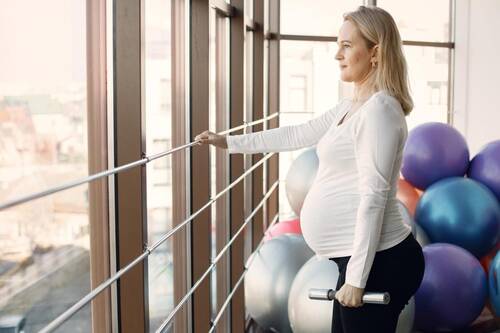
Image by Magnific
Mobility patterns often shift gradually as pregnancy advances. Increased abdominal weight, changing posture, joint laxity, and muscular strain may all influence movement efficiency and physical comfort. Activities that once felt routine may require greater effort or create fatigue more quickly than before.
Walking mechanics may also change naturally as the body adapts to maintain balance and stability. Some individuals experience swelling in the legs and feet, while others notice increased tension in the hips or lower back after extended periods of movement or standing. These experiences vary considerably from person to person, influenced by factors such as pre-pregnancy fitness levels, posture, occupational demands, stress levels, and overall health.
Healthcare providers increasingly encourage safe movement and moderate physical activity throughout pregnancy because maintaining mobility may support circulation, muscular function, and overall comfort when medically appropriate.
Circulation and Fluid Changes Affect Comfort
Pregnancy also influences circulation and fluid retention throughout the body. Blood volume increases significantly during pregnancy to support fetal development, while hormonal changes affect vascular function and fluid distribution. As a result, swelling in the feet, ankles, and legs becomes relatively common, particularly during later pregnancy stages or prolonged standing.
Changes in circulation may also contribute to sensations of heaviness, fatigue, or discomfort in the lower extremities. Some individuals experience varicose veins or increased sensitivity related to prolonged sitting or standing. Maintaining movement, hydration, and comfortable positioning throughout the day may help support circulation and reduce some of these symptoms.
Prenatal Wellness Is Becoming More Holistic
Historically, prenatal care conversations often centered primarily around medical monitoring and fetal health outcomes. While these remain critically important, modern maternal wellness discussions increasingly acknowledge the broader physical and emotional experiences associated with pregnancy itself. This more holistic perspective recognizes that comfort, mobility, stress management, sleep quality, and emotional well-being all influence quality of life during pregnancy.
As a result, many expecting parents now explore wellness strategies designed to support the body more comprehensively throughout prenatal development. These may include physical therapy, stretching programs, prenatal yoga, nutritional guidance, relaxation techniques, and supportive bodywork therapies. The goal is not simply reducing discomfort temporarily, but helping individuals maintain greater physical resilience and overall well-being throughout pregnancy.
Research Continues Expanding Around Maternal Wellness
Growing interest in prenatal wellness has also contributed to increased research surrounding maternal comfort and supportive care practices. Organizations such as the American College of Obstetricians and Gynecologists continue emphasizing the importance of physical activity, stress management, and individualized prenatal care strategies that support overall maternal health during pregnancy.
While every pregnancy is unique, research increasingly supports the broader understanding that physical and emotional well-being are closely interconnected throughout prenatal development. This evolving perspective has encouraged healthcare providers to consider not only clinical outcomes but also the lived physical experience of pregnancy itself.
Daily Comfort Plays a Larger Role Than Many Realize
One reason these conversations matter is because daily comfort significantly affects how individuals experience pregnancy overall. Persistent discomfort, poor sleep, restricted mobility, and ongoing muscular tension may gradually influence mood, energy levels, stress tolerance, and overall quality of life. Even relatively common physical symptoms can become mentally and emotionally exhausting when experienced continuously over long periods.
Supporting comfort does not eliminate the natural demands of pregnancy, but it may help individuals navigate those changes more sustainably. For many expecting parents, maintaining mobility, improving rest, and reducing physical strain become important components of feeling healthier and more supported throughout the prenatal journey.
Pregnancy Involves More Than Clinical Milestones
Pregnancy is often discussed in terms of timelines, appointments, and developmental stages, but the everyday physical experience of carrying a child is equally important. The body undergoes continuous adaptation throughout pregnancy, affecting movement, sleep, posture, circulation, and muscular function in complex ways. Recognizing these changes more openly helps create a fuller understanding of maternal wellness beyond purely medical outcomes alone.
As prenatal care continues evolving, there is growing recognition that supporting comfort, mobility, and emotional well-being can play an important role in helping individuals feel healthier, more resilient, and better supported throughout pregnancy itself.
Disclaimer: The information on MedicalResearch.com is provided for educational purposes only, and is in no way intended to diagnose, cure, or treat any medical or other condition. Some links are sponsored. Products, services and providers are not warranted or endorsed by MedicalResearch.com or Eminent Domains Inc. Always seek the advice of your physician or other qualified health and ask your doctor any questions you may have regarding a medical condition. In addition to all other limitations and disclaimers in this agreement, service provider and its third party providers disclaim any liability or loss in connection with the content provided on this website.
Last Updated on May 11, 2026 by Marie Benz MD FAAD