
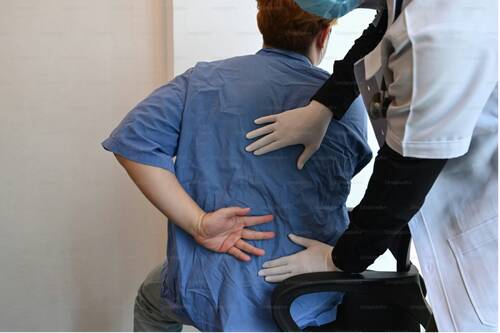
20 Jul 6 Signs You May Have a Fractured Sternum After a Car Accident
A fractured sternum is a serious injury that can occur after a car accident, particularly when the chest strikes a seat belt or steering wheel during the collision. Recognizing the symptoms early and seeking prompt medical attention can help prevent complications and support a smoother recovery.
The force generated in a car crash can cause injuries that are not immediately obvious. While cuts and bruises may be visible, injuries to the chest often develop symptoms over the following hours or days. Knowing the symptoms of a fractured sternum can help you recognize when medical evaluation is necessary and reduce the risk of untreated complications. Research published in peer-reviewed literature confirms that traumatic sternal fractures occur in up to 8% of blunt chest trauma cases, with motor vehicle collisions accounting for the majority. For more on the causes, symptoms, and compensation considerations, see this overview of fractured sternum: causes, symptoms, and compensation.
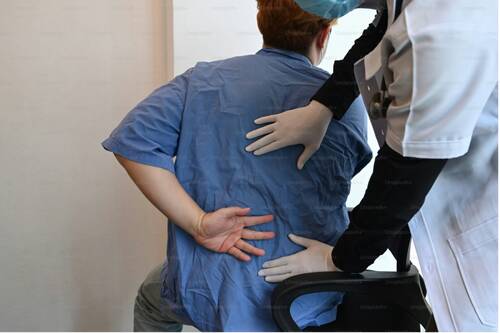
1. Severe Chest Pain
The most common sign of a fractured sternum is sharp pain in the center of the chest. The discomfort often becomes worse when you take a deep breath, cough, laugh, or move your upper body. Because chest pain can also indicate injuries to the heart or lungs, it should never be ignored after a car accident.
2. Swelling and Bruising
A fractured sternum often causes noticeable swelling or bruising over the breastbone. The area may become tender to the touch and appear discolored within hours after the collision. Seat belt marks across the chest can also indicate that significant force was applied during the accident, increasing the possibility of an underlying fracture.
3. Pain When Breathing
Many people with a fractured sternum experience pain while breathing deeply. This happens because the breastbone moves slightly with each breath, causing discomfort around the injury. Shallow breathing due to pain can also increase the risk of respiratory complications if left untreated.
4. Tenderness Over the Breastbone
The injured area may feel extremely sensitive when touched. Even gentle pressure over the center of the chest can cause significant pain. Medical providers often examine the chest carefully to determine whether tenderness suggests a fracture or another type of injury.
5. Clicking or Grinding Sensations
In some cases, people notice an unusual clicking, popping, or grinding feeling when moving their upper body. These sensations may occur if the fractured portions of the sternum shift slightly during movement. Although not everyone experiences this symptom, it should be evaluated promptly if it occurs after a collision.
6. Difficulty Moving the Upper Body
Simple movements such as reaching, lifting, twisting, or getting out of bed may become painful after a fractured sternum. The discomfort may also spread into the shoulders, upper back, or ribs, making routine activities much more difficult. Limiting strenuous activity until you receive medical evaluation can help avoid worsening the injury.
Why Prompt Medical Care Matters
A fractured sternum may occur alongside other serious injuries involving the ribs, lungs, heart, or spine. Physicians may order X-rays or CT scans to confirm the diagnosis and identify any additional trauma. Early treatment helps reduce pain, monitor healing, and identify complications that may require immediate attention.
Protecting Your Legal Rights
If another driver’s negligence caused the accident, you may be entitled to seek compensation for your injuries, medical expenses, lost income,\ rehabilitation costs, and other damages. It is important to keep records of your medical treatment and follow your healthcare provider’s recommendations throughout your recovery.
Most personal injury claims are based on negligence principles. Section 282 of the Restatement (Second) of Torts explains that negligence generally involves failing to exercise the level of care that a reasonably prudent person would use under similar circumstances. Establishing negligence is often an essential part of recovering compensation after a car accident.
Recovery Takes Time
Healing from a fractured sternum varies depending on the severity of the injury and whether additional injuries are present. Many people recover with rest, pain management, and limited physical activity, while more severe cases may require additional treatment. Following your doctor’s instructions and attending all follow-up appointments can help support a safe recovery and reduce the risk of long-term complications.
Key Takeaways
- A fractured sternum commonly results from significant chest impact during a car accident.
- Severe chest pain, swelling, bruising, and tenderness are common warning signs.
- Pain while breathing and difficulty moving the upper body should be evaluated promptly.
- Some people experience clicking or grinding sensations around the breastbone.
- Prompt medical care helps diagnose associated injuries and supports recovery.
- Personal injury claims generally require proof that another party acted negligently.
- Keeping medical records and following your treatment plan can support both your recovery and any potential legal claim.
This article is for informational purposes only and does not constitute legal or medical advice. Readers should consult a licensed attorney and a qualified healthcare provider for guidance specific to their situation.
Disclaimer: The information on MedicalResearch.com is provided for educational purposes only, and is in no way intended to diagnose, cure, or treat any medical or other condition. Some links are sponsored. Products, services and providers are not warranted or endorsed by MedicalResearch.com or Eminent Domains Inc. Always seek the advice of your physician or other qualified health provider and ask your doctor any questions you may have regarding a medical condition. In addition to all other limitations and disclaimers in this agreement, service provider and its third party providers disclaim any liability or loss in connection with the content provided on this website.
Last Updated on July 23, 2026 by Marie Benz MD FAAD