
24 Jul The Science Behind Thermogenic Nutrition and Modern Weight Management
Supplement Notice: Nutritional supplements including thermogenic or fat metaboliser products are not evaluated or approved by the FDA for safety or efficacy. These products should only be used under the supervision of a qualified healthcare provider. Do not use if you are pregnant, nursing, or may become pregnant. Supplements may interact with prescription medications and may be contraindicated in individuals with certain health conditions including cardiovascular disease, thyroid disorders, or hypertension. Always consult your physician before beginning any new supplement regimen.
Weight management is influenced by a complex interaction of nutrition, physical activity, genetics, metabolism, and lifestyle habits. As scientific understanding of metabolic health continues to evolve, researchers are increasingly exploring how specific nutritional approaches may complement healthy weight management strategies. Among these approaches, thermogenic nutrition has attracted growing interest for its potential to support energy expenditure when combined with a balanced diet and regular exercise. Rather than focusing on quick results, modern weight management emphasizes evidence-based strategies that encourage sustainable, long-term health.
For additional context on how thermogenic supplements fit into a broader weight management picture, see this overview of thermogenic weight management and fat loss supplements. According to the National Institute of Diabetes and Digestive and Kidney Diseases, sustainable weight management depends primarily on healthy eating patterns, regular physical activity, and long-term lifestyle changes.
Understanding Thermogenesis and Energy Balance
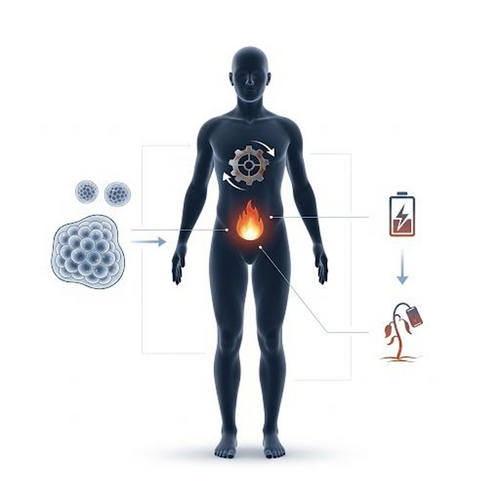
Thermogenesis is the process through which the body produces heat while expending energy. It occurs naturally during digestion, physical activity, and normal metabolic processes, contributing to overall daily energy expenditure. Although thermogenesis is only one component of metabolism, researchers continue to investigate how nutrition may influence these physiological processes. Understanding energy balance remains fundamental to developing effective and sustainable weight management strategies.
Nutrition’s Role in Metabolic Health

Balanced nutrition supports numerous biological functions, including energy production, hormone regulation, and metabolic activity. A diet rich in whole foods, adequate protein, fiber, healthy fats, and essential micronutrients provides the foundation for maintaining overall health.
Some individuals also explore products such as fat burner powder as part of a broader nutrition and exercise program. These products are generally intended to complement healthy lifestyle habits rather than replace balanced eating or regular physical activity.
Evidence-Based Approaches to Weight Management
Scientific research increasingly supports comprehensive weight management strategies that integrate nutrition, exercise, behavioral modification, and professional guidance when appropriate. Rather than relying on isolated interventions, healthcare professionals encourage sustainable habits that can be maintained over time. When considering nutritional supplements or specialized products, evidence-based decision-making remains important. Individuals are encouraged to evaluate scientific research and consult qualified healthcare professionals before incorporating new products into their routines.
Lifestyle Factors That Influence Metabolism
Metabolism is affected by far more than dietary choices alone. Sleep quality, physical activity, stress management, age, body composition, and overall health all contribute to metabolic function and energy expenditure. For some people, products including fat burner powder may be incorporated into a structured wellness plan alongside healthy eating and regular exercise. However, lasting weight management continues to depend primarily on maintaining healthy daily habits and addressing multiple aspects of lifestyle.
The Future of Thermogenic Nutrition Research

Ongoing research continues to expand our understanding of how nutrition influences metabolism and weight management. Advances in nutritional science, personalized healthcare, and metabolic research are helping clinicians develop more individualized approaches that consider each person’s unique physiological characteristics. Future research is expected to clarify further how thermogenic nutrition may contribute to comprehensive weight management strategies when integrated with evidence-based dietary guidance and healthy lifestyle behaviors.
Moving Toward Sustainable Health
Modern weight management is increasingly focused on long-term health rather than short-term outcomes. Sustainable progress is built upon balanced nutrition, regular physical activity, adequate sleep, and realistic lifestyle changes that individuals can maintain over time. As scientific knowledge continues to evolve, thermogenic nutrition will remain an area of ongoing investigation. Combined with evidence-based healthcare and personalized wellness strategies, these advances contribute to a more comprehensive understanding of healthy weight management and metabolic wellbeing.
Disclaimer: The information on MedicalResearch.com is provided for educational purposes only, and is in no way intended to diagnose, cure, or treat any medical or other condition. Some links are sponsored. Products, services and providers are not warranted or endorsed by MedicalResearch.com or Eminent Domains Inc. Always seek the advice of your physician or other qualified health provider and ask your doctor any questions you may have regarding a medical condition. In addition to all other limitations and disclaimers in this agreement, service provider and its third party providers disclaim any liability or loss in connection with the content provided on this website.
Last Updated on July 24, 2026 by Marie Benz MD FAAD