
18 Nov What the Ingredient Labels on Sugar-Free Water Flavorings Actually Tell You
Health Notice: This article is for general educational purposes only and is not medical or nutrition advice. People with phenylketonuria (PKU) must avoid aspartame. If you have diabetes, kidney disease, or another condition that requires watching specific ingredients, ask your clinician or a registered dietitian which products suit you. Xylitol, found in some sugar-free products, is highly toxic to dogs; keep products containing it away from pets.
Editorial Notice: This content is not specific medical advice. Products and brands mentioned in this article are not warranted or endorsed by MedicalResearch.com or Eminent Domains Inc.
Flavoring water is one of the simplest ways to cut back on sugary drinks, but the label on a water flavoring can be harder to read than the front of the box suggests.
“Sugar free,” “zero calorie,” and “no artificial sweeteners” sound similar but mean different things. Here is what the ingredient label actually tells you.
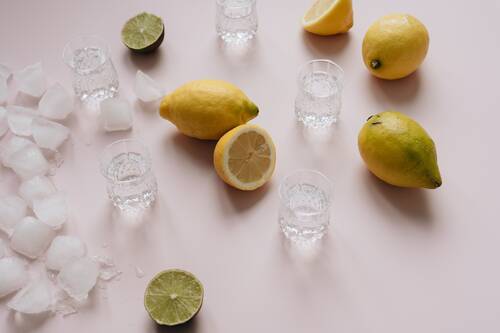
Photo by Alleksana via Pexels
What “Sugar Free” and “Zero Calorie” Mean
On a US label, “sugar free” means less than 0.5 grams of sugar per serving, and “calorie free” means fewer than 5 calories per serving. A zero on the Nutrition Facts panel can therefore hide a trace, which rarely matters for one serving but adds up if you flavor several bottles a day.
“No artificial sweeteners” is different. It is a marketing claim rather than a defined term, so the only reliable check is the ingredient list.
The Sweetener Families to Recognize
- Sugar alcohols such as erythritol, xylitol, and sorbitol. They add little or no sugar but can cause digestive upset in some people, especially in larger amounts.
- High-intensity sweeteners such as sucralose, aspartame, and acesulfame potassium. Each is approved for use in the US. People with phenylketonuria must avoid aspartame, which is why the label carries a warning.
- Plant-derived sweeteners such as stevia leaf extract (steviol glycosides) and monk fruit extract.
Research on long-term use of non-sugar sweeteners is still developing. In 2023 the World Health Organization advised against relying on them to control body weight, citing limited long-term benefit, and called for more study. The recommendation is conditional, covers stevia and its derivatives, and does not apply to people who already have diabetes. For most people the practical question is simpler: which sweeteners are you comfortable having regularly?
The Other Ingredients That Matter
- Acids such as citric or malic acid create the tart flavor. Frequent sipping of acidic drinks can wear on tooth enamel over time, so many dental professionals suggest drinking them with meals, using a straw, and rinsing with plain water.
- Carriers such as maltodextrin help a powder dissolve. They contribute very small amounts of calories per serving.
- Colors and preservatives such as dyes or sodium benzoate appear in some liquid concentrates. Some people prefer to avoid them, and the list will show you whether they are present.
- “Natural flavors” is a broad term. It tells you the flavor source was not synthetic, but not what is in it.
A Five-Step Label Check
- Serving size. Confirm how much counts as one serving, and how much you really use.
- Sugar and calories. Look at the panel, then remember the rounding rules above.
- Sweeteners. Read the ingredient list for sugar, sugar alcohols, sucralose, aspartame, acesulfame, stevia, or monk fruit.
- Acids, colors, and preservatives. Decide what you are comfortable with.
- Added vitamins or caffeine. Some flavorings include them, and they are easy to miss.
Where a Simple Option Fits
If you want the shortest list possible, an unsweetened flavoring is the easiest to read. True Citrus, for example, makes a zero-calorie water flavoring in lemon, lime, orange, and grapefruit crystals. According to the company, the lemon version lists three ingredients: citric acid, lemon oil, and lemon juice. Whichever brand you choose, read its own label for the exact ingredients and numbers rather than relying on the front of the box. The FDA (U.S. Food and Drug Administration) offers a guide to reading the Nutrition Facts label, including serving sizes.
The Bottom Line
Plain water remains the baseline. A flavoring is a tool that can make it easier to drink water instead of sugary drinks, and the best choice is the one whose ingredient list you understand and are comfortable with. If you have diabetes, a metabolic condition, or a medical reason to watch specific ingredients, ask your clinician which sweeteners and acids suit you.
For a broader overview of sweetener research, see this MedicalResearch.com overview of artificial sweetener studies and expert interviews.
The information on MedicalResearch.com is provided for educational purposes only, and is in no way intended to diagnose, cure, or treat any medical or other condition. Some links are sponsored. MedicalResearch.com and Eminent Domains Inc. do not warrant or endorse products or claims made by third party links. Always seek the advice of your physician or other qualified health provider and ask your doctor any questions you may have regarding a medical condition. In addition to all other limitations and disclaimers in this agreement, service provider and its third party providers disclaim any liability or loss in connection with the content provided on this website.
Last Updated on November 18, 2026 by Marie Benz MD FAAD