
27 Apr Air Ambulances: Their Role and Mission-Critical Equipment
Accidents and medical emergencies can happen anywhere, at any time. Unfortunately, this often means that people need medical help and evacuation in places impossible for a conventional ambulance to reach — such as on a mountainside, deep in a forest, or stuck in rush-hour traffic.
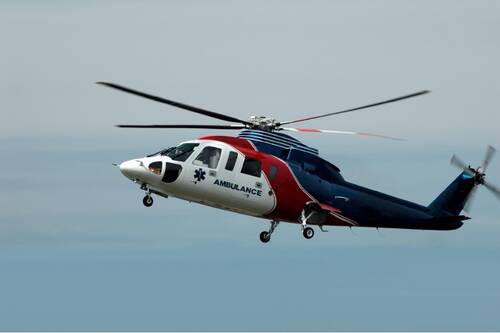
In these circumstances, air ambulances are called upon to save lives. Loaded with specialized trauma care equipment, advanced medical computers, and highly-skilled crewmembers, these helicopters and aircraft are often the last and best chance for those in need.
The Role of Air Ambulances
Aircraft have been used to transport sick and injured people for as long as there has been powered flight, with the first medical evacuations taking place during World War One using fixed-wing aircraft. The Korean War saw a major evolution in air ambulances with the development of helicopters, which would go on to transport over 900,000 injured troops during that conflict.
In the civilian sector, one of the first major innovations was Australia’s Royal Flying Doctor Service (RFDS). In order to deliver medical care across the vast Australian Outback, the RFDS used radios and airplanes to coordinate healthcare and transport doctors to patients. Today, most major metropolitan areas and numerous private companies around the world operate air ambulance services, saving lives every day.
The most common roles for air ambulances include:
- Trauma response and search and rescue: Aircraft — especially helicopters — can reach locations inaccessible by conventional vehicles, making them ideal for evacuating injured people in remote areas and bringing them to hospitals for treatment.
- Long-distance patient transportation: Sometimes patients must be transferred from one treatment facility to another, often to receive more specialized care. Air ambulances carry the necessary medical equipment to keep the patient’s condition stable, which a standard civilian airliner would lack — making them the preferred choice for long-distance or overseas transportation.
- Donated organ transportation: Because organs cannot last long outside the human body, they must be quickly transported to their recipient. Thanks to their superior speed, air ambulances are the preferred method for transporting organs after they have been harvested from the donor.
Fixed-Wing vs. Rotary: Advantages and Disadvantages
Both fixed-wing aircraft (conventional airplanes) and rotary-wing aircraft (helicopters) are widely used as air ambulances, each with specific use cases that determine how they are implemented.
Fixed-Wing Aircraft
Conventional fixed-wing aircraft come in both propeller- and jet-powered options and are the fastest option available for transporting patients. They can also travel farther than any other option, making them ideal for international travel. However, fixed-wing aircraft require a dedicated runway to take off from and land on, which limits their use. In modern times, fixed-wing aircraft are primarily used to transport patients in relatively stable condition, as well as donor organs.
Rotary-Wing Aircraft
While not as fast as fixed-wing aircraft, helicopters are still much faster than conventional ground vehicles — critical for reaching patients during the “golden hour,” the first 60 minutes after a life-threatening injury, during which they have the best chances of survival if they receive medical treatment. Additionally, a helicopter’s VTOL (Vertical Take Off and Landing) capabilities enable it to operate in areas that other vehicles cannot reach, such as wilderness terrain or disaster areas. The primary disadvantages of helicopters are that they are much more expensive to operate than conventional ambulances and lack the range of fixed-wing aircraft.
What Equipment Do Air Ambulances Carry?
Before they can save lives, air ambulances need to have the right equipment. What they carry depends on their mission and operating environment, but certain essentials are always present.
Because helicopters are often used in trauma and disaster response, their equipment focuses on life-saving measures. Space on a helicopter is limited, so crews use tools similar to those found on conventional ambulances, including CPR equipment, breathing apparatuses and monitoring systems, defibrillators, blood transfusion equipment, drugs such as adrenaline, propofol, blood thinners, and heparin, oxygen, and dual hook systems for long-line rescues.
Fixed-wing aircraft have much more space and can carry much more equipment, including monitoring equipment for the patient, any required medications, a patient-loading system for easier and safer boarding and unboarding, heart monitors and IV pumps, and medical computers for managing other devices and accessing the patient’s health information.
These lists will change depending on the air ambulance’s mission. A helicopter rescue team specializing in saving avalanche survivors will have equipment for treating hypothermia victims. A plane transporting a patient with an infectious disease will take extra precautions, and so on.
Above all else, this equipment must withstand the rigors of air transportation without compromising on medical-grade safety. Medical box PCs are a good choice, as they can withstand the heavy vibrations that come with flight and will not interfere with any other electronic equipment aboard the air ambulance, such as controls or navigational instruments. By equipping their air ambulances properly, both private companies and public emergency services can save lives even in the most challenging circumstances.
Disclaimer: The information on MedicalResearch.com is provided for educational purposes only, and is in no way intended to diagnose, cure, or treat any medical or other condition. Some links are sponsored. Products, services and providers are not warranted or endorsed by MedicalResearch.com or Eminent Domains Inc. Always seek the advice of your physician or other qualified health and ask your doctor any questions you may have regarding a medical condition. In addition to all other limitations and disclaimers in this agreement, service provider and its third party providers disclaim any liability or loss in connection with the content provided on this website.
Last Updated on April 27, 2026 by Marie Benz MD FAAD