
22 Jun Blue Lotus Flowers: Exploring Their History, Symbolism, and Growing Popularity
Important Legal and Regulatory Notice: Blue lotus (Nymphaea caerulea) may be subject to legal restrictions depending on your jurisdiction and intended use. While blue lotus is not currently a federally controlled substance in the United States, its legal status varies by state, country, and region. Some jurisdictions regulate or restrict its sale, possession, or use, particularly for consumption purposes. It is your sole responsibility to research and comply with all applicable local, state, national, and international laws before purchasing or using this product. MedicalResearch.com and Eminent Domains Inc. do not endorse, encourage, or facilitate any illegal activity. This article is provided for informational purposes only regarding lawful botanical, collector, and decorative applications where permitted by law.
Botanical and Supplement Notice: Blue lotus products are not approved by the US Food and Drug Administration (FDA) for the diagnosis, treatment, cure, or prevention of any disease or medical condition. Products discussed in this article are not warranted or endorsed by MedicalResearch.com or Eminent Domains Inc. This article addresses blue lotus strictly as a botanical collectible and decorative flower. Always consult a qualified healthcare provider before consuming any botanical product, particularly if you are pregnant, breastfeeding, have a medical condition, or are taking medications.
Blue Lotus: History, Botanical Features, and What Collectors Should Know
Introduction
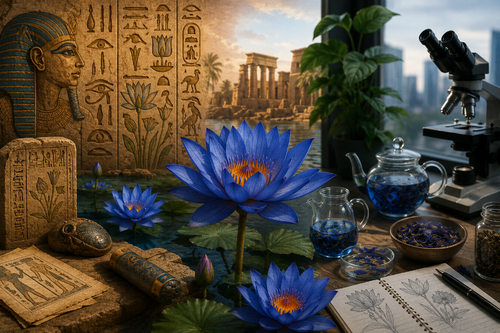
Some flowers are admired only for their appearance, while others become part of human history through the stories and traditions they inspire. Blue lotus belongs to the latter. Recognized for its striking blue petals and graceful presence on calm waters, this remarkable aquatic plant has fascinated people for thousands of years. Its influence can still be seen in historical artwork, botanical collections, and the growing interest surrounding naturally preserved flowers.
Today, blue lotus flowers are appreciated by collectors, gardeners, historians, and botanical enthusiasts who value plants with both natural beauty and cultural importance. As awareness of traditional botanicals continues to grow, this ancient flower remains one of the most recognizable examples of how nature and history can remain closely connected.
The Beginning of a Timeless Botanical Story
The blue lotus first gained attention in regions blessed with warm temperatures and freshwater wetlands. Flourishing in ponds, lakes, and slow-moving rivers, the flower developed into one of the most distinctive aquatic plants of the ancient world.
Communities living near these waterways admired its colorful blossoms that floated effortlessly above the water’s surface. Over generations, this admiration evolved into lasting cultural appreciation that helped preserve the flower’s importance far beyond its natural habitat. Its connection with peaceful landscapes contributed greatly to its enduring reputation.
Nature’s Daily Performance
One feature that made blue lotus especially memorable was its unique blooming pattern. Each day the flower naturally:
- Opens with the morning sunlight
- Displays vibrant blossoms throughout daylight hours
- Gradually closes as evening approaches
- Repeats the cycle with each new day
This predictable rhythm fascinated early civilizations and inspired symbolic interpretations that remained influential for centuries.
A Botanical Symbol That Endured Through Time
Many historical cultures assigned special meaning to plants, but relatively few flowers achieved the widespread recognition enjoyed by blue lotus. It gradually became associated with themes including:
- Renewal: Its daily blooming cycle represented fresh beginnings.
- Purity: Its elegant blossoms rising from calm waters inspired admiration.
- Balance: The flower reflected harmony between nature and seasonal rhythms.
- Artistic Beauty: Its distinctive form became a favorite subject for decorative design.
These symbolic associations continue influencing how people view blue lotus today.
Evidence Preserved in Ancient Civilizations
Archaeologists have uncovered numerous examples demonstrating the historical importance of blue lotus. The flower frequently appears within temple decorations, stone carvings, ancient paintings, ceremonial objects, decorative pottery, and personal ornaments. These discoveries reveal that blue lotus served as much more than a simple flowering plant. It became an enduring cultural symbol preserved through generations of artistic craftsmanship.
Botanical Features That Continue to Impress
Modern interest also stems from the flower’s remarkable natural characteristics. Some of its most distinctive features include:
- Elegant Floral Structure: Layered petals create one of the most recognizable flower shapes among aquatic plants.
- Floating Growth Pattern: Large circular leaves rest on the water while blossoms extend gracefully above the surface.
- Seasonal Blooming: Warm growing conditions encourage healthy flowering during favorable months.
- Aquatic Adaptation: Its ability to flourish in freshwater ecosystems demonstrates remarkable botanical specialization.
These qualities make blue lotus both visually attractive and scientifically interesting.
Why Traditional Botanicals Are Returning to Popularity
Consumer preferences have changed considerably in recent years. Many buyers now seek products that emphasize authenticity rather than excessive processing. Traditional botanicals appeal because they offer natural presentation, historical connections, responsible cultivation, educational value, and botanical authenticity. Blue lotus perfectly represents this growing appreciation for plants that preserve both history and natural beauty.
Producing High-Quality Botanical Flowers
Quality begins long before flowers reach collectors or consumers. Responsible growers focus on every stage of production:
- Healthy Growing Conditions: Clean freshwater habitats support vigorous plant development.
- Careful Flower Selection: Only mature blossoms are chosen for preservation.
- Controlled Drying: Proper drying techniques help protect delicate petals.
- Thoughtful Packaging: Protective storage reduces damage during shipping.
Attention throughout these stages helps preserve the flower’s natural appearance.
Appreciating Authentic Botanical Craftsmanship
Whole botanical flowers allow enthusiasts to appreciate details often lost during processing. Collectors frequently value flowers that display complete blossoms, natural petal arrangement, attractive coloration, minimal breakage, and careful preservation. These characteristics reflect the craftsmanship involved in producing premium botanical products.
Finding Quality Botanical Sources
As demand for traditional flowers continues increasing, selecting reputable suppliers has become increasingly important. Many enthusiasts looking to buy blue lotus online prefer businesses that prioritize sustainable cultivation methods, transparent sourcing information, careful harvesting practices, reliable quality standards, and secure packaging for preserved flowers. Choosing responsible suppliers supports both product quality and environmentally conscious botanical production.
Looking Toward the Future of Blue Lotus
Interest in historical plants shows no signs of slowing down. Botanical gardens, educational institutions, collectors, and environmentally conscious consumers continue introducing blue lotus to wider audiences. Advances in sustainable farming, preservation methods, and botanical education ensure that appreciation for this remarkable aquatic flower will continue growing. Its combination of history, beauty, and responsible cultivation makes blue lotus one of the most enduring botanical treasures available today.
Conclusion
Blue lotus has remained relevant because it represents far more than a beautiful flower. It reflects centuries of cultural appreciation, artistic inspiration, and careful botanical preservation. From ancient civilizations to modern collectors, its graceful blossoms continue capturing the imagination of people who value authentic natural heritage.
As awareness of sustainable cultivation and traditional botanicals expands, blue lotus stands as a lasting reminder that some plants possess the rare ability to unite history, science, and natural beauty across countless generations.
Frequently Asked Questions
Why are blue lotus flowers historically important?
Blue lotus flowers appeared frequently in ancient artwork, architecture, and ceremonial objects, making them one of history’s most recognizable botanical symbols.
What makes blue lotus different from many other aquatic flowers?
Its elegant blossoms, floating leaves, distinctive blooming cycle, and rich cultural history make it unique among freshwater plants.
Why do collectors prefer whole preserved flowers?
Whole flowers retain their natural structure, making them ideal for botanical collections, decorative displays, and educational purposes.
How should preserved blue lotus flowers be stored?
Store them in a cool, dry location away from direct sunlight and humidity to help maintain their appearance and quality.
Why is responsible cultivation valuable?
Ethical growing methods help protect aquatic ecosystems while supporting the long-term availability of high-quality botanical flowers.
Legal Notice: The legal status of blue lotus varies by jurisdiction. Readers are solely responsible for ensuring compliance with all applicable laws in their location before purchasing or using blue lotus products. MedicalResearch.com and Eminent Domains Inc. do not endorse or facilitate any illegal activity.
Disclaimer: The information on MedicalResearch.com is provided for educational purposes only, and is in no way intended to diagnose, cure, or treat any medical or other condition. Opinions expressed are those of the Contributing Writer and do not represent the views of MedicalResearch.com or Eminent Domains Inc. Some links are sponsored. Products, services and providers are not warranted or endorsed by MedicalResearch.com or Eminent Domains Inc. MedicalResearch.com does not endorse or encourage any illegal activity. Always seek the advice of your physician or other qualified health provider and ask your doctor any questions you may have regarding a medical condition. In addition to all other limitations and disclaimers in this agreement, service provider and its third party providers disclaim any liability or loss in connection with the content provided on this website.
Last Updated on June 24, 2026 by Marie Benz MD FAAD