[caption id="attachment_69467" align="aligncenter" width="500"]
 Photo by Christina Morillo
[/caption]
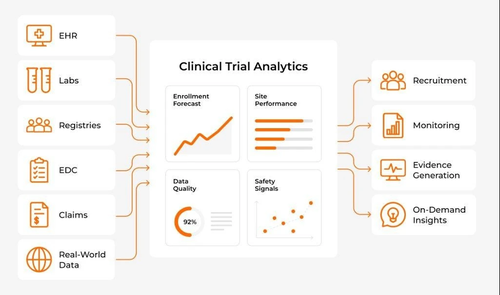
Every clinical trial produces mountains of data. From patient enrollment logs and lab results to adverse event reports and protocol deviations, clinical data is the backbone of every decision made during drug or device development. Yet, collecting data is only the beginning — it’s how that data is managed, validated, and interpreted that determines a study’s success.
In the age of decentralized trials, real-time analytics, and global regulatory oversight, the importance of reliable clinical data management can’t be overstated. High-quality data doesn’t just support regulatory submissions — it protects patient safety, ensures compliance, and strengthens confidence in results.
Why Is Clinical Data Management No Longer Just a Technical Task?
Gone are the days when data management was treated as an afterthought or a purely technical role. Today, it’s central to trial strategy. From the very beginning of a study, data management professionals are involved in shaping case report forms (CRFs), planning how endpoints will be measured, and ensuring systems are in place to capture data accurately and securely.
This shift in thinking is due to the increasing complexity of trial protocols, the rise in remote data capture tools, and the growing pressure from regulators for traceable, auditable datasets. Sponsors and CROs alike are realizing that data management is no longer an isolated function — it’s the foundation of trial integrity.
What Does a Modern Clinical Trial Data Management Service Include?
A robust
clinical trial data management service goes far beyond database design. It encompasses an ecosystem of systems, people, and processes designed to ensure that every data point collected is clean, consistent, and ready for analysis.
Typical services include:
- CRF design tailored to protocol endpoints
- Electronic Data Capture (EDC) system configuration
- Real-time data monitoring and discrepancy resolution
- Medical coding using standard dictionaries (e.g., MedDRA, WHO Drug)
- Query management and investigator communication
- Data cleaning, validation, and database lock support
The goal is simple: to transform complex, multi-source data into a reliable and statistically sound dataset that regulators can trust — and that sponsors can use to make decisions.