
Podiatry / 15.05.2026

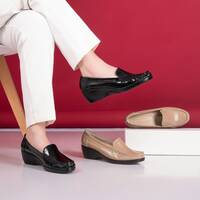
Foot discomfort often becomes part of the workday without much notice. It can begin as a small irritation and gradually feel normal as the hours pass. For people who spend long periods on their feet, these subtle changes are worth paying attention to. A shoe that feels comfortable early in the day may not offer the same support by the end of a shift, and recurring pressure points can influence overall comfort more than expected.

Recognizing Patterns in Everyday Movement

Most discomfort develops over time rather than from a single cause. Repeated pressure on the same areas, whether at the heel, the ball of the foot, or around the toes, can build gradually with each shift. These patterns may seem minor at first, but they can affect how easily you move, stand, and stay comfortable throughout the day. Paying attention to consistency is key. If the same discomfort appears in the same spot or at a predictable point in your shift, it usually points to an underlying issue. Fit, wear, and daily activity all play a role. Long hours on hard surfaces or limited variation in movement can also contribute to how strain builds over time.
Exercise - Fitness, Podiatry / 26.07.2024

Finding the perfect pair of hiking boots for women is essential for a comfortable and enjoyable hiking experience. The right boots can provide the necessary support, cushioning, and protection for your feet, reducing the risk of blisters, injuries, and discomfort. However, choosing the right hiking boots for women involves understanding your foot type and the specific needs associated with it. This guide will help you identify your foot type and choose the best hiking boots for women accordingly.

Understanding Your Foot Type

Before selecting a pair of hiking boots for women, it’s important to identify your foot type. The three main foot types are:

1. Flat Feet (Low Arches)

If you have flat feet, the arch of your foot is very low or non-existent. This can cause your feet to overpronate (roll inward) excessively, leading to strain on your ankles and knees.

2. Normal Arches

People with normal arches have a well-balanced foot structure that naturally absorbs shock. This foot type typically requires less specialized support but still benefits from good cushioning and stability.

3. High Arches

High arches mean that your feet do not roll inward enough, which can cause underpronation (supination). This foot type requires extra cushioning to absorb shock and prevent injuries.