
23 Sep Cupping and Electrotherapy in Physiotherapy: What the Evidence Supports
Two of the most frequently asked about physiotherapy modalities are also two of the most visually distinctive. Cupping leaves the circular marks that many people associate with elite athletes and traditional medicine practitioners. Electrotherapy delivers current through the skin in ways that produce muscle contractions, tingling, or localised warmth depending on the type used. Both are offered by physiotherapy clinics with increasing frequency, and both generate reasonable questions from patients about what they are actually doing, what conditions they help with, and what the research says about their efficacy. According to a systematic review published in the National Library of Medicine, the evidence base for adjunct physiotherapy modalities including cupping and electrotherapy is real but nuanced, and their appropriate role depends heavily on the individual clinical picture and how they are integrated with active treatment components such as exercise and manual therapy.
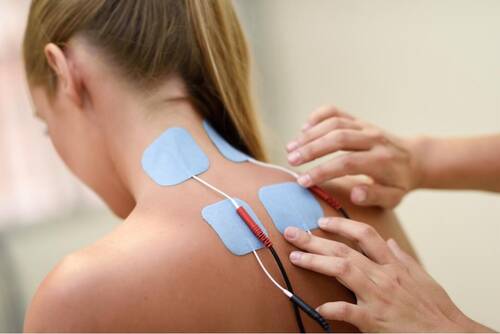
Image by javi_indy on Magnific
What Cupping Therapy Is and How It Works
Cupping therapy involves the application of cups made from silicone, glass, plastic, or bamboo to the surface of the skin, creating suction that draws the skin and superficial tissue upward into the cup. The suction can be maintained for a period, or the cups can be moved along the skin surface in a sliding technique. The characteristic circular marks that cupping produces are not bruises in the clinical sense — they result from blood and interstitial fluid being drawn into the capillaries under the skin and typically fade within a few days.
From a physiological standpoint, cupping is proposed to work through several mechanisms: increasing local circulation by drawing blood to the treatment area, reducing myofascial tension by lifting and separating tissue layers, stimulating the nervous system to reduce pain signalling, and creating a mild inflammatory response that may trigger tissue healing cascades. These mechanisms are plausible and consistent with how other soft tissue techniques work, which is part of why physiotherapists with training in manual therapy have been able to integrate cupping logically into existing treatment frameworks.
The Evidence Base for Cupping in Musculoskeletal Physiotherapy
Research on cupping therapy for musculoskeletal conditions has grown significantly over the past two decades, though it remains less robust than the evidence for some manual therapy and exercise-based interventions. Studies in neck pain, low back pain, shoulder pain, and sports recovery have generally found positive effects on pain reduction and functional improvement compared to sham or control conditions, though effect sizes vary and the methodological quality of studies is inconsistent.
At East West Physiotherapy in Burnaby, BC, cupping is used as one component within a broader treatment plan rather than as a standalone intervention. The physiotherapists there blend traditional Eastern techniques with evidence-based Western physiotherapy, combining cupping with manual therapy, exercise rehabilitation, and electrotherapy where clinically appropriate. This integrated approach — matching treatment techniques to the specific presenting features of the patient — is where cupping tends to show the most consistent clinical benefit.
How Electrotherapy Works in Physiotherapy
Electrotherapy is a category of modalities that deliver electrical current to biological tissue for therapeutic purposes. The main types used in physiotherapy include:
- TENS (transcutaneous electrical nerve stimulation) — works primarily through pain gate mechanisms to reduce pain signalling.
- Interferential current — penetrates more deeply than TENS and is used for muscle re-education and deeper pain management.
- Therapeutic ultrasound — uses high-frequency sound waves and is often grouped with electrotherapy modalities.
- Neuromuscular electrical stimulation (NMES) — produces muscle contractions to aid re-education after injury or surgery.
The mechanisms are distinct for each type, which is why the clinical decision about which form of electrotherapy to use requires an assessment of the specific tissue being treated, the depth of the target structure, the desired physiological effect, and how electrotherapy integrates with the manual and exercise components of the session.
What the Evidence Supports for Electrotherapy Modalities
The evidence base for electrotherapy modalities varies by type and condition. TENS has the most robust evidence base for acute pain management, particularly for conditions involving peripheral nerve sensitisation. Interferential current shows positive results in some trials for musculoskeletal pain. The evidence for therapeutic ultrasound on soft tissue injuries has been more mixed in systematic reviews, with some meta-analyses finding effects and others finding minimal benefit above placebo when used in isolation.
The key clinical insight from the research is that electrotherapy modalities perform best when integrated with active treatment — particularly therapeutic exercise — rather than used passively as standalone interventions. A patient who receives electrotherapy for twenty minutes and is then sent home without exercise or manual therapy is receiving a different treatment from one whose electrotherapy is used to reduce acute pain and sensitisation so that they can engage more effectively in the manual therapy and exercise that follows.
The Regulatory and Professional Standards Context
Physiotherapy Canada, the national professional organisation, publishes clinical practice guidelines and competency standards that guide how physiotherapists integrate adjunct modalities into evidence-based care. Their position is consistent with the broader research literature: modalities including cupping and electrotherapy are appropriate components of a comprehensive physiotherapy programme when used by trained clinicians, matched to appropriate indications, and evaluated against the patient’s response over time.
What Patients Should Ask
Patients considering physiotherapy that includes cupping or electrotherapy benefit from asking how these modalities fit into the overall treatment plan for their specific condition, what clinical reasoning supports their use in this case, and how progress will be evaluated. A physiotherapist who can answer those questions clearly is one who is using these tools as part of a coherent clinical strategy rather than as routine additions applied regardless of presentation.
For a broader overview of what the evidence shows for physiotherapy modalities in musculoskeletal care and how to evaluate treatment plans for neck pain, back pain, and soft tissue injuries, see this MedicalResearch.com overview of physical therapy and evidence-based practice — what the research shows.
Disclaimer: The information on MedicalResearch.com is provided for educational purposes only, and is in no way intended to diagnose, cure, or treat any medical or other condition. Some links are sponsored. MedicalResearch.com and Eminent Domains Inc. do not warrant or endorse products or claims made by third party links. Always seek the advice of your physician or other qualified health provider and ask your doctor any questions you may have regarding a medical condition. In addition to all other limitations and disclaimers in this agreement, service provider and its third party providers disclaim any liability or loss in connection with the content provided on this website.
Last Updated on September 23, 2026 by Marie Benz MD FAAD